























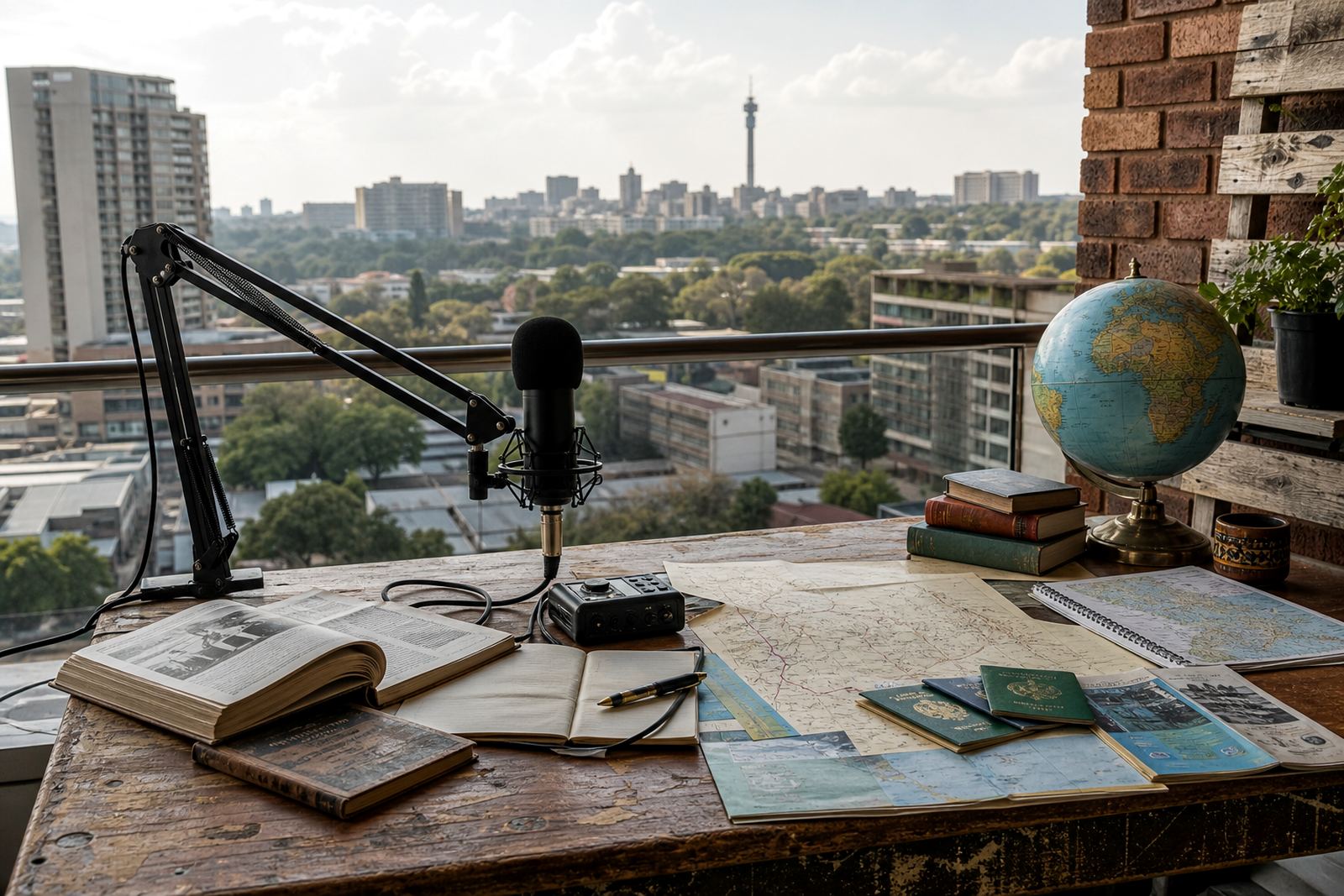
What This Commentary Covers
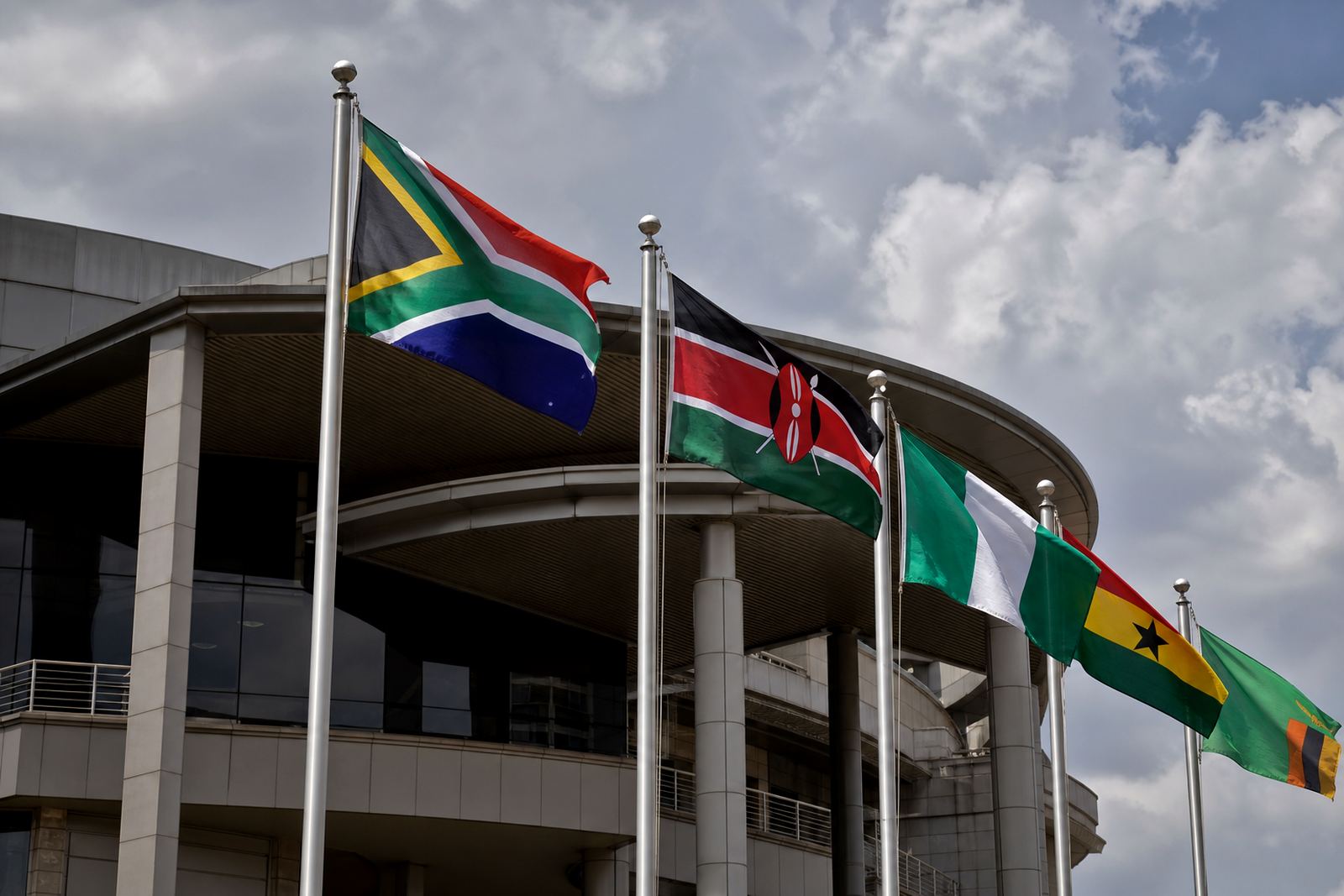
Populism Africa Review examines the arguments, institutions and turning points that shape politics across South Africa, Kenya, Nigeria, Ghana and Zambia. Constitutions, legislatures, courts, parties and public administration are treated as working systems, showing why political choices can look different from one country to the next.
Context comes before opinion. Terms are explained, historical background is traced and public power is mapped from local government and national cabinets to electoral systems and oversight bodies. The writing is independent and non-partisan, with no endorsements, no election guesses and no cheerleading.
How To Choose What To Read Or Listen To
Start with pieces that explain one idea clearly, then move into longer essays that compare countries or examine a specific institution. Some people prefer the podcast for a guided discussion, while others prefer essays for slower reading and note taking. The work moves from concept to context in a clear sequence.
- Choose the podcast for broader overviews and spoken analysis.
- Choose essays when you want a closer look at history, law or institutions.
- Use the shorter explainers when you need a quick refresher before a longer piece.
- Read country comparisons if you want to see how one idea travels across different systems.
Topics You Will Find Here
The hub brings together commentary on political behaviour, constitutional change, state authority and the public institutions that shape daily life. Articles may compare presidential and parliamentary systems, discuss opposition politics, explain coalition building, or look at the limits of state capacity. The focus stays on ideas and institutions, not on personalities.
- Political ideologies and how they are used in African public life
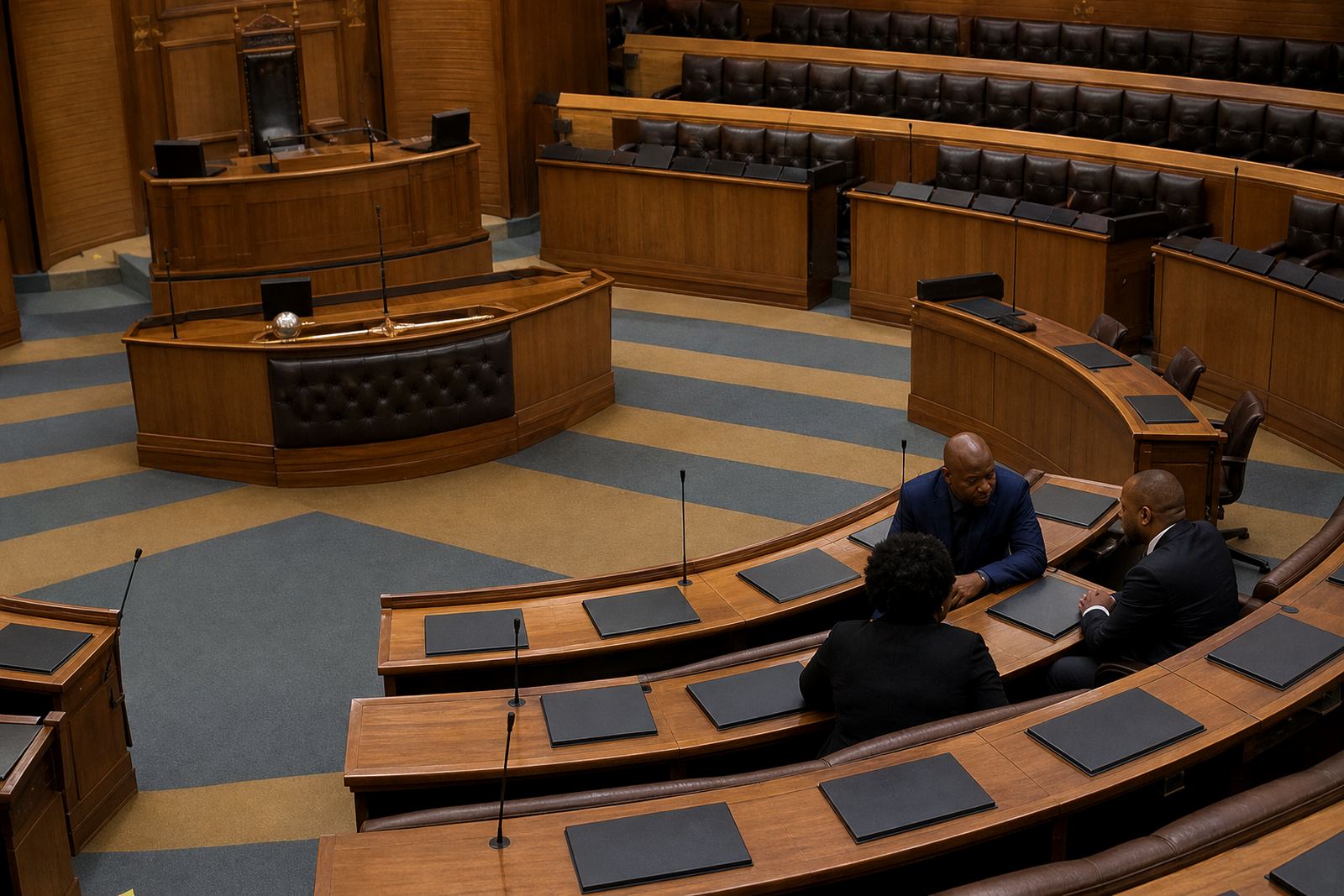
- Constitutions, courts, parliaments and electoral rules
- State power, public trust and institutional accountability
- Historical turning points that still affect present day politics
Editorial Approach And Standards
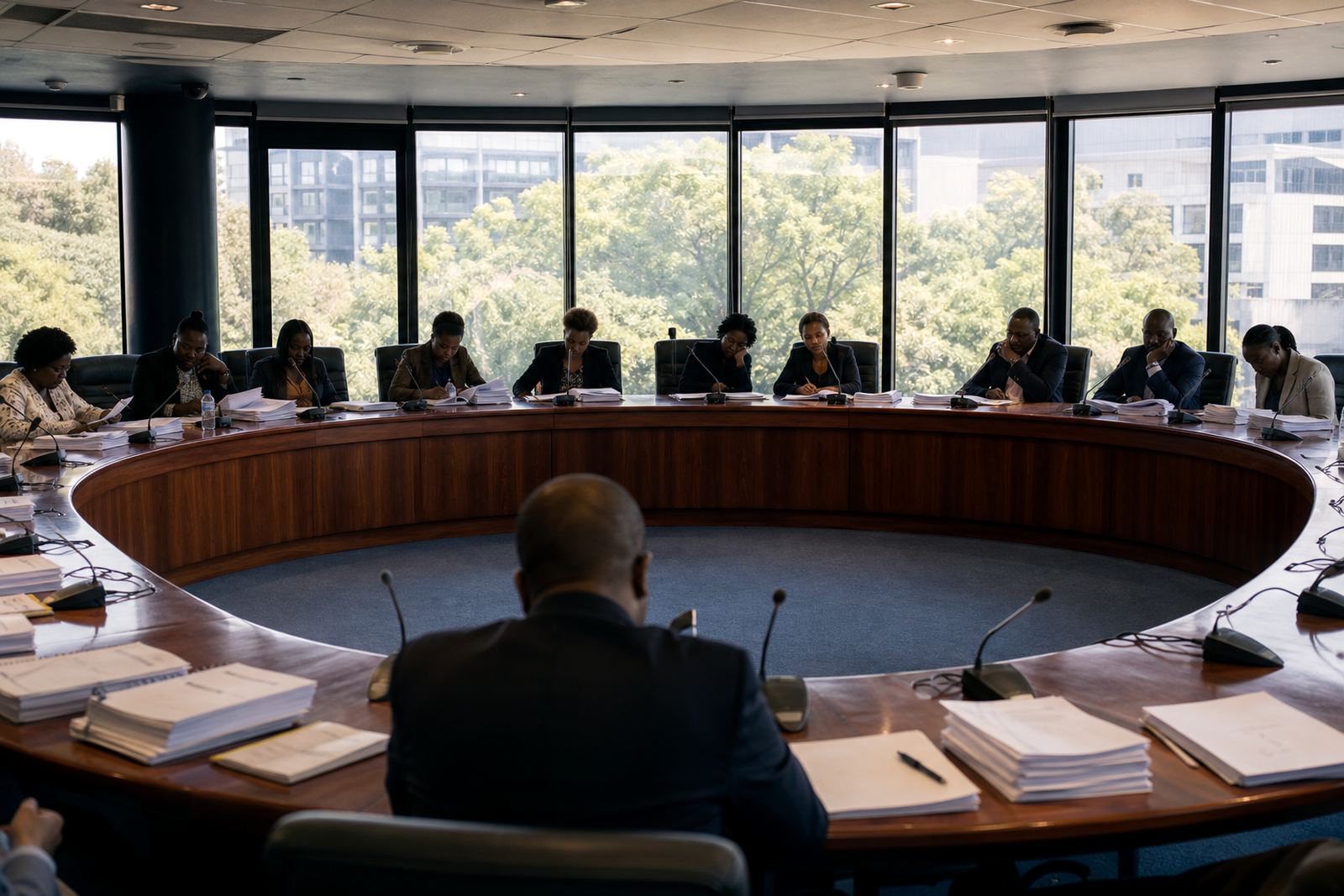
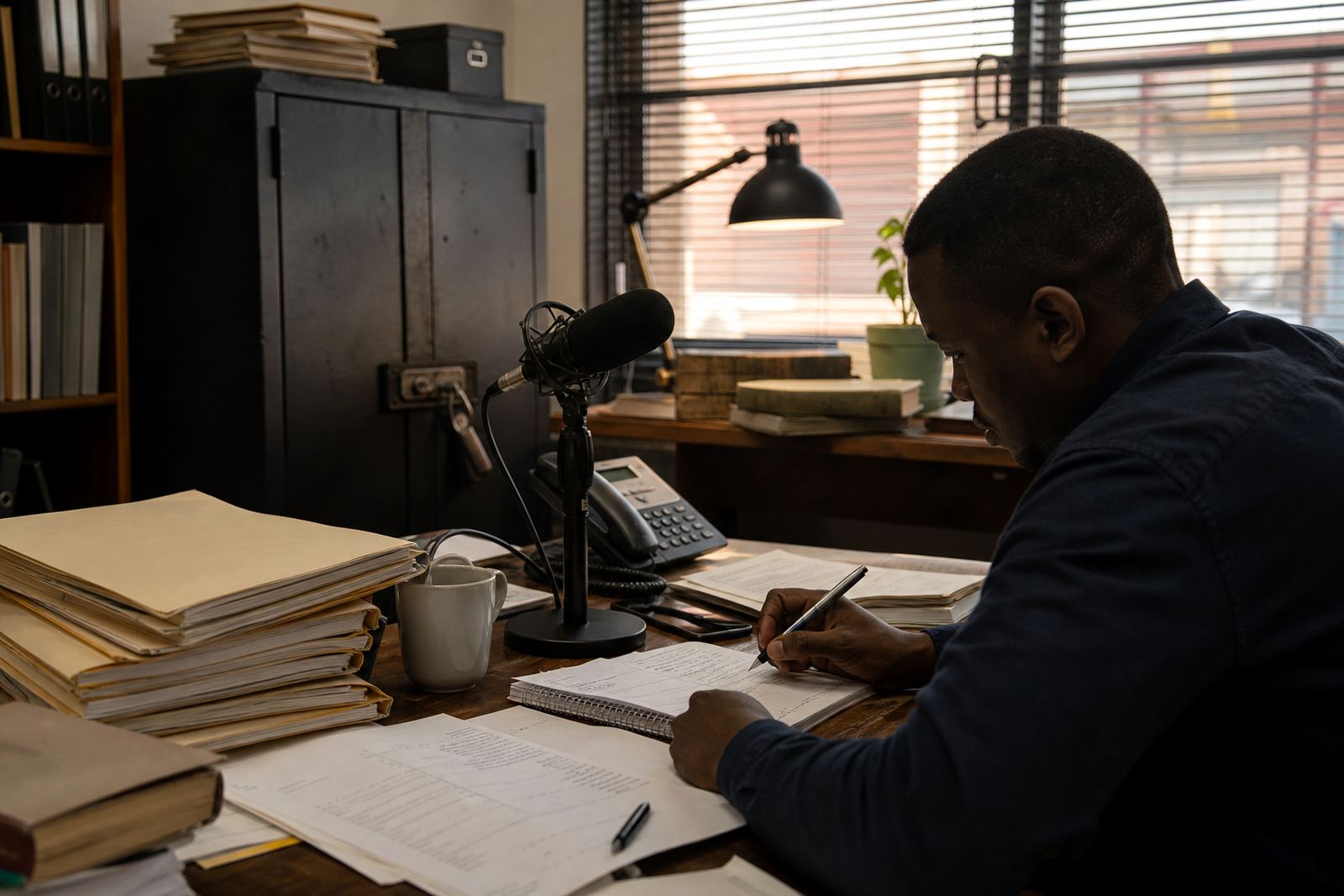
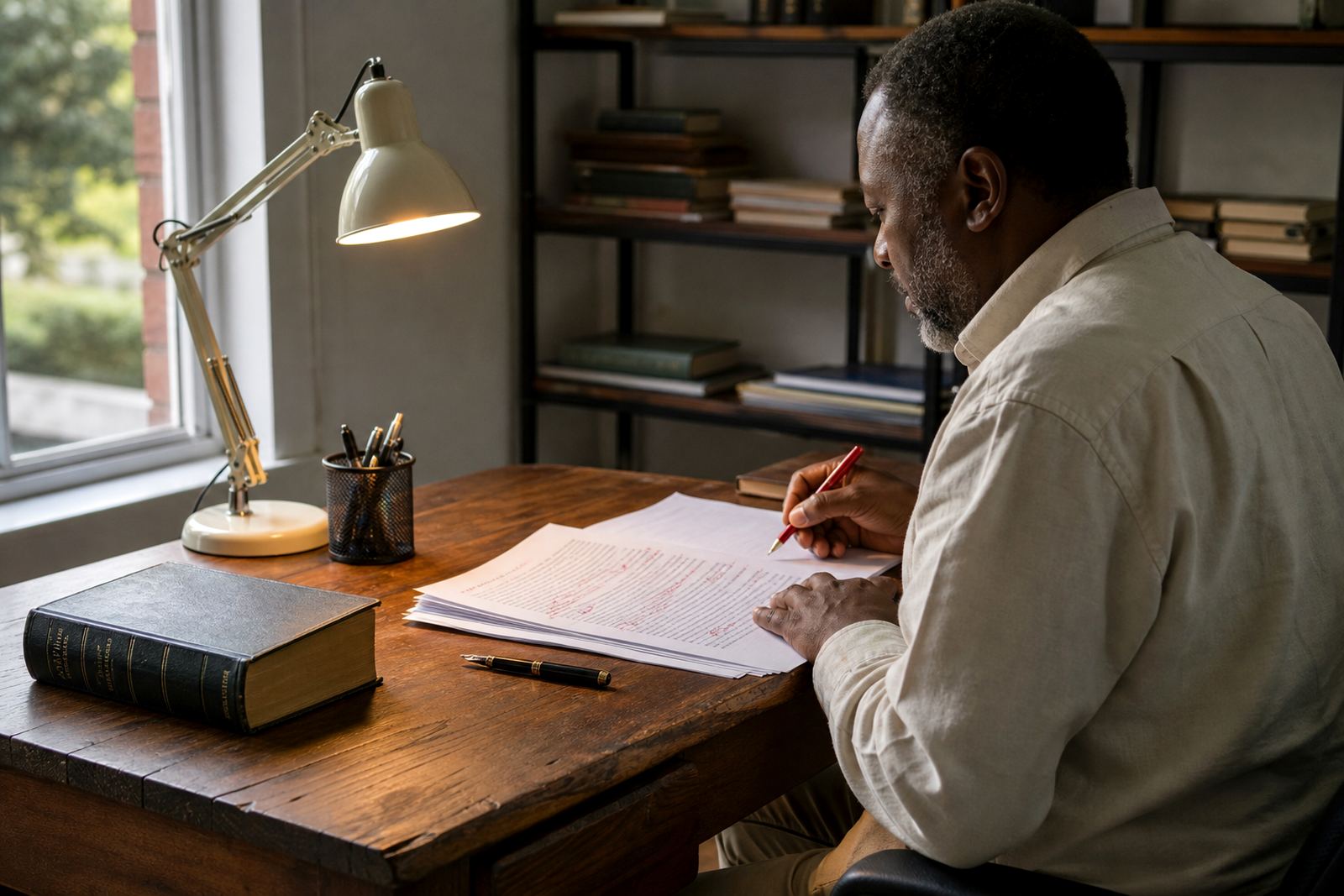
Every piece is prepared to be clear, grounded and fair. Research support and fact checking are built into the editorial process, because political commentary works best when the dates, names and institutional details are right. That also means language stays careful when events are contested or when evidence is incomplete.
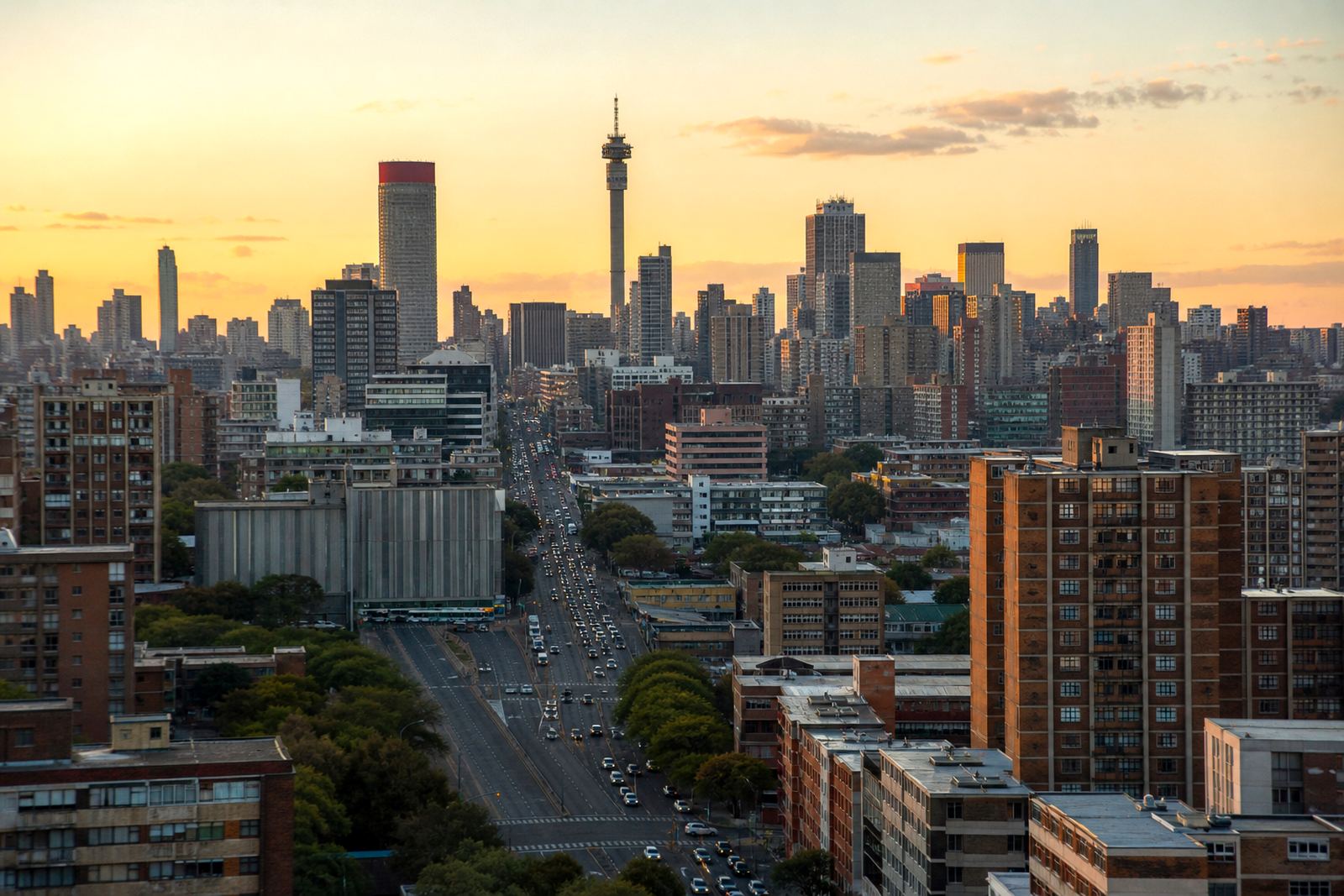
The team in Rosebank, Johannesburg works across writing, editing and audio production so that scripts, essays and show notes follow the same standard. Thabo Michael Mabuza oversees the publication, with support from Naledi Seakamela, Aisha Daniels, Kwanele Dlamini, Nadia Barnard and Ntando Ndaba.
Clear Political Analysis Across Africa
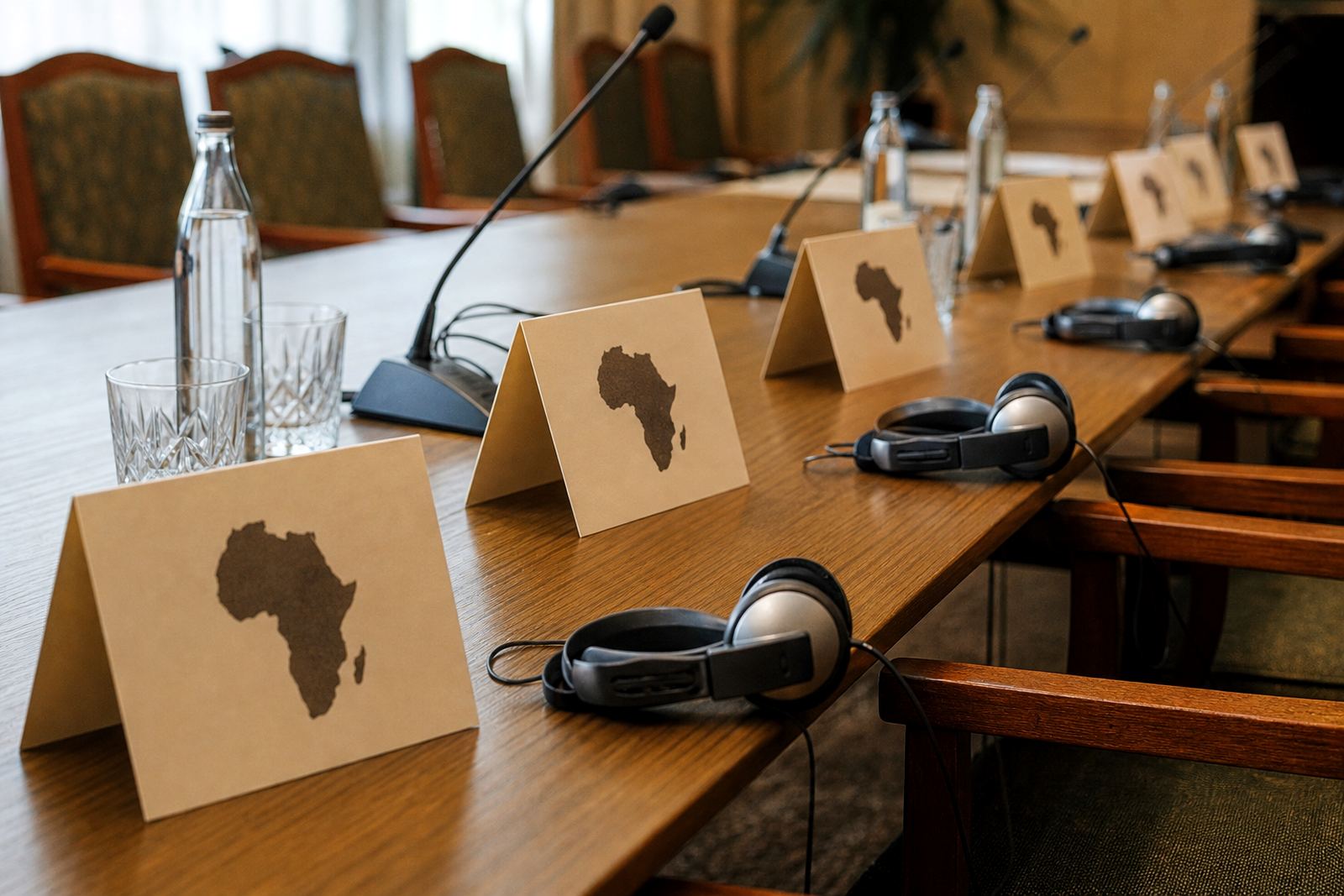
Politics in Africa is often discussed as if every country follows the same pattern. The opposite view matters here. A legal reform in Ghana, a coalition shift in South Africa, a public finance dispute in Kenya or a party realignment in Zambia may share themes, but the institutions and histories behind them are not the same.
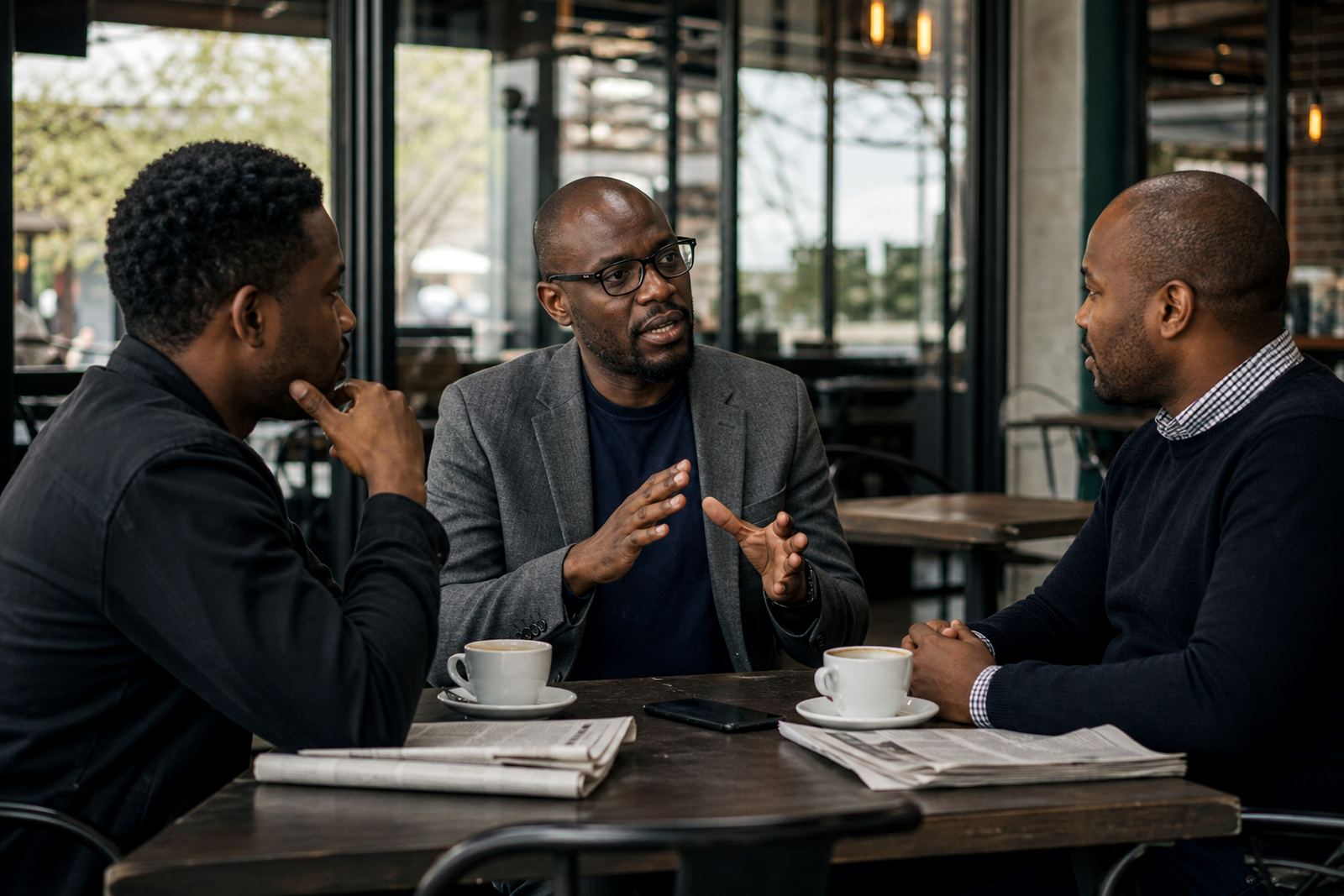
Careful comparison matters. A strong idea in one setting may not transfer neatly to another, and a popular slogan can hide real differences in law, administration and public expectation. Each case needs to be read on its own terms, not folded into a single continental story.
Finding The Format That Suits You
Some visitors come for a single question, others follow an ongoing series. You can move between essays, podcast episodes and explanatory notes depending on how much time you have and how detailed you want the analysis to be. Publication scheduling and archive management help keep older material easy to find, so the discussion remains useful over time.
- Short on time? Start with a focused episode summary.
- Want depth? Open a longer essay with historical background.
- Need a refresher? Use the archive to revisit an earlier topic.
- Looking for a series? Follow related pieces in order for a clearer view.
For business and media enquiries, use the enquiry form on the contact page. The team can be reached from Johannesburg, Pretoria, Soweto, Nairobi, Lagos, Accra, Lusaka and across Gauteng without hunting for a separate contact list.