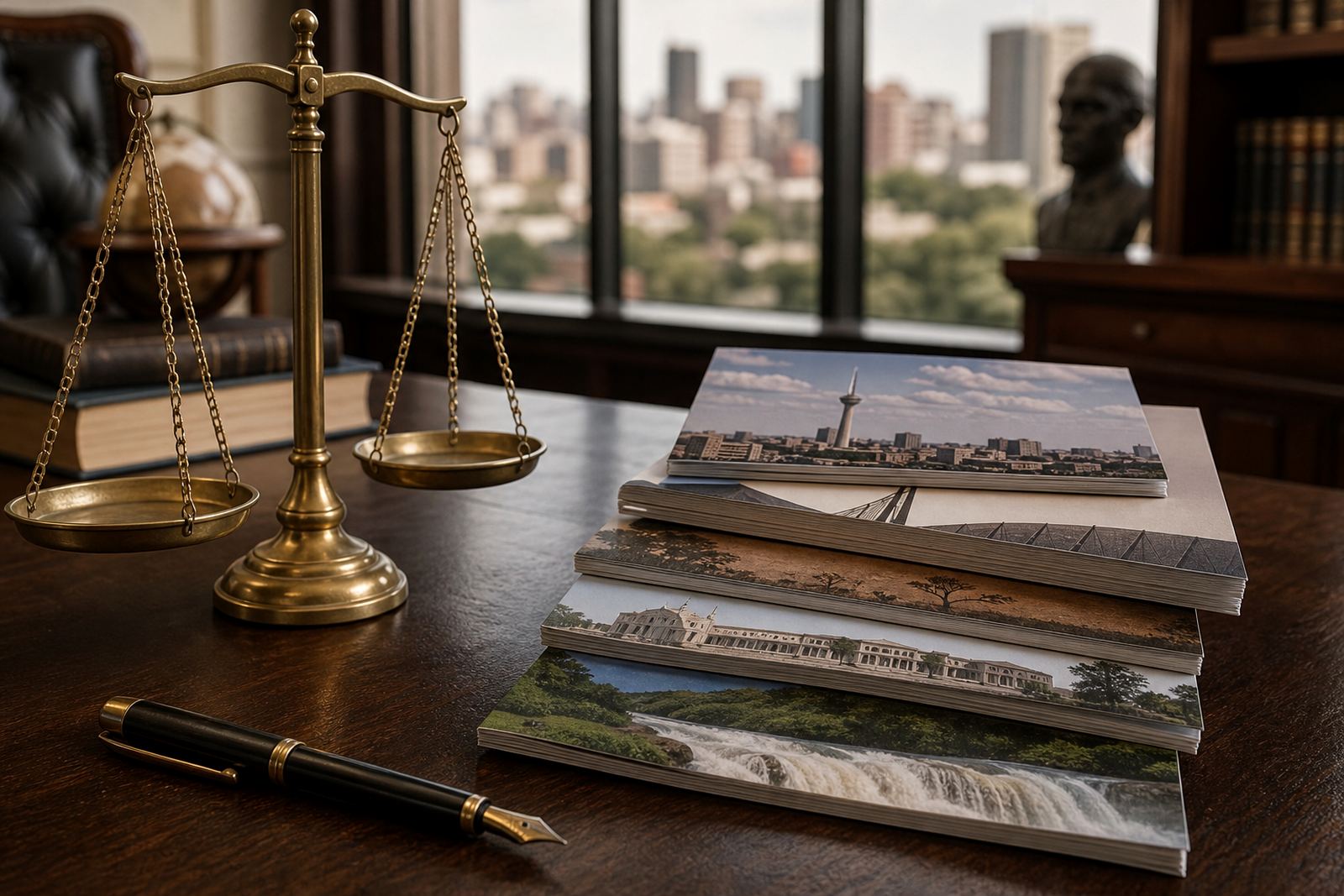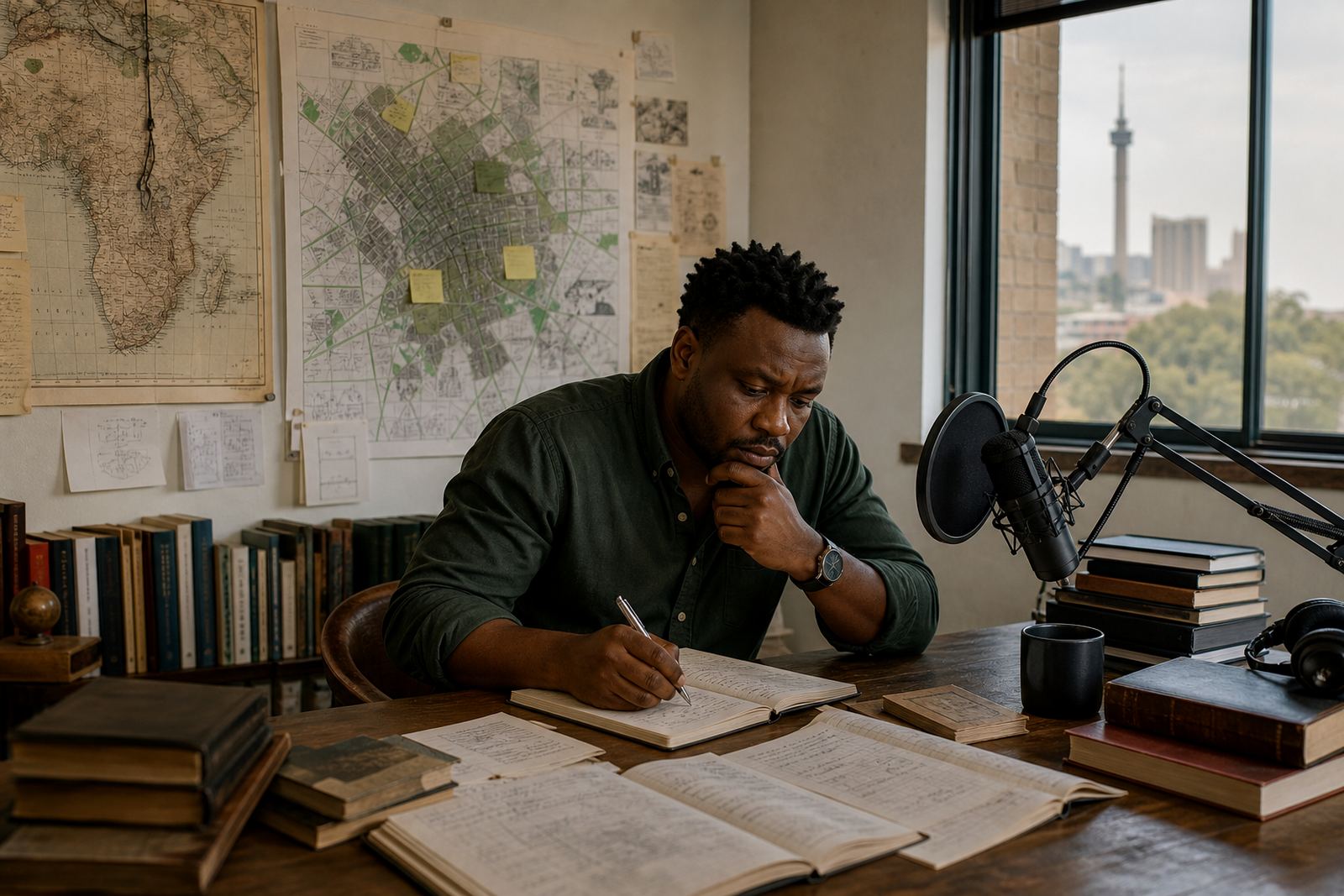
Why Resource Control Becomes a Political Fault Line
Across Africa, arguments about resource control usually begin with a simple claim: a place that produces wealth should keep more of it. That idea has force, especially in communities that live beside mines, wells, ports or dams and still face poor roads, weak services and limited jobs. But the argument does not stop at fairness. It quickly becomes a debate about ownership, taxation, land rights, provincial powers, and the practical limits of running a modern economy from a single centre.
Resource control is not only about extraction. It is also about the rules that decide who may explore, who may licence, who collects royalties, and how revenue is shared between national, provincial and local government. When those rules are unclear, political bargaining fills the gap. That can produce short term gains for one group, but it can also weaken public trust and make planning harder for everyone else.
In South Africa, the issue often shows up in the gap between where wealth is generated and where public pressure is felt. A mining area may carry dust, heavy trucks and water strain while the nearest office making key decisions sits far away in Pretoria or Johannesburg. The same tension appears in oil producing areas in Nigeria, coastal revenue debates in Ghana, and county level demands in Kenya. The names change, but the bargaining pattern is familiar.
Ownership Is Not the Same as Control
People often use ownership and control as if they mean the same thing, but in law they are different. A state may own the mineral rights while private firms operate the mine under licence. A national government may retain constitutional authority while provinces or counties ask for a larger share of the revenue. Communities may own land in practice through customary systems even when title deeds say something else. These layers matter because political fights often come from confusion over which layer carries the final say.
Where ownership is unclear, promises multiply. Leaders may speak as if local control will automatically bring jobs, schools and clinics. In reality, revenue still has to be collected, audited and spent. Roads still need maintenance, and municipalities still need reliable billing systems. Without that discipline, resource control can become a slogan rather than a workable policy.
- Who holds the legal title or licence?
- Who collects royalties, taxes or levies?
- Who decides how revenue is shared?
- Who carries the environmental and social costs?
- Who can audit the money after it is spent?
Extraction Has Costs That Do Not Stay in One Place
Extraction is rarely clean or localised. A mine may operate in one district, but its effects spread through a wider area: truck traffic, water use, tailings, electricity demand and pressure on housing. Oil production can lift national income while leaving coastal communities with pollution fears and limited direct benefit. Even public infrastructure projects tied to resource wealth can create new disputes over land, compensation and access. This is where political bargaining becomes more than theory.
Communities often ask a reasonable question: if the burden is local, why is the benefit distant? The answer should not be a slogan. It should be a clear formula for benefit sharing, environmental oversight and public reporting. If local people see only the dust and the noise, then trust falls away fast. And once that happens, every later announcement sounds like another promise made elsewhere.
For audiences in Johannesburg and Pretoria, this is not abstract. Around Gauteng, debates over mining legacy, informal settlement growth, water pressure and municipal finance all show how economic activity creates claims that outlast the original project. A city may gain jobs and rates revenue, yet still face potholes, load-shedding pressure and strained services near the very corridors that supported growth. That mismatch is exactly where the politics begins.
What Political Bargaining Really Means
Political bargaining is not always a bad thing. In a democracy it can be the way different interests reach a settlement. The problem comes when bargaining happens without open rules. Then it stops being negotiation and becomes a contest of leverage. One side offers revenue, another offers loyalty, and the public is left to wonder who was consulted and what was given away.
Good bargaining needs boundaries. That means published contracts where possible, budget transparency, environmental impact processes that are not merely formalities, and clear parliamentary or council oversight. It also means resisting the temptation to turn every resource debate into a test of patriotism. A tough question about royalties is not the same as hostility to the state. A demand for local consultation is not the same as sabotage.
Where institutions are weak, political leaders may use resource control to build personal influence. They can present themselves as defenders of the people while quietly narrowing scrutiny. That is why the best safeguard is not just a stronger speech, but stronger procedure. If the procedure is visible, the politics become easier to judge.
A Practical Reading Guide for Citizens
If you are trying to follow a resource control debate, start with the basics before the slogans. Ask what resource is being discussed, who legally controls it, and what share of revenue stays local. Then ask how the money is measured and who checks the figures. These questions sound technical, but they are the difference between public interest and political theatre.
- Read the law, not only the speech.
- Check whether revenue sharing is fixed or negotiated case by case.
- Look for environmental obligations and compensation rules.
- Ask what oversight a legislature, council or regulator actually has.
- Watch for language that blames one level of government for every failure.
It also helps to track the ordinary consequences. Does the community near the site have water, clinics and safe roads? Are there jobs that last beyond construction? Are local businesses included in procurement, or do they only see temporary spending? These are practical signs of whether resource politics is improving life or just moving money around.
Why This Debate Matters Across Africa
South Africa, Kenya, Nigeria, Ghana and Zambia each carry different legal histories, but the same broad tension appears in all of them: the place that produces value wants a fairer share, while the centre wants stability, revenue and control. Neither side is completely wrong. States need order and planning. Communities need recognition and compensation. The hard part is building institutions that can hold both needs at once, without pretending that slogans are policy.
For that reason, resource control questions should be treated as a test of democratic maturity. A mature system can explain its revenue rules, publish its agreements and handle dissent without panic. It can also admit when extraction has harmed local trust. That honesty matters more than theatrical certainty. If citizens understand the trade-offs, they are better placed to judge whether a settlement is fair or merely convenient.
The strongest political bargain is the one that can survive scrutiny. If a deal only works when nobody asks questions, then it is not settled yet.