















How to use these explainers
Plain answers come first, followed by deeper analysis. If you are new to a topic, begin with the broadest concept first, then follow the links into elections, constitutions, party systems and state institutions. If you already know the basics, these explainers work as a quick refresher before a longer essay or an episode.
- Begin with the general concept if the term is unfamiliar.
- Move next to the country-specific institution or history.
- Use the definitions pages when a political term appears in commentary.
Political ideas and why they matter
Politics is shaped by ideas as much as by leaders and events. Terms such as democracy, authoritarianism, nationalism, federalism and populism are unpacked in simple language, with enough context to show how each idea works in real life. The focus stays on how political arguments are built and why people may interpret the same event in different ways.
That makes them useful for students, working people and anyone trying to follow public debate with more confidence. A clear definition can save time and help you spot when a debate is about policy, power, identity or institutions.
Institutions that shape public power
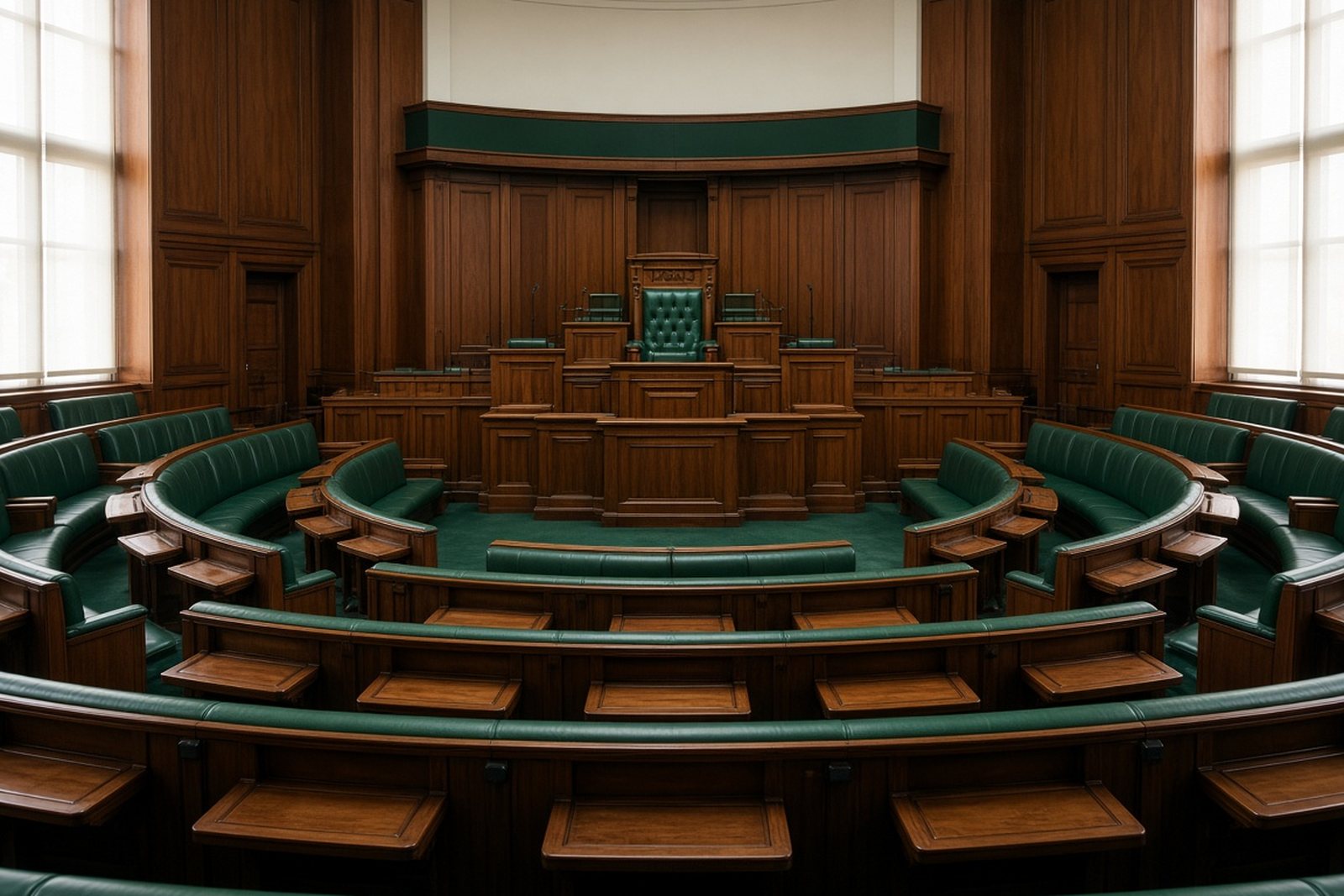
Many political questions come down to how institutions are designed and how they are supposed to function. Parliaments, cabinets, courts, electoral bodies, local government and oversight institutions all shape how authority is divided and where it can be checked. We also look at the difference between formal rules and the way politics often works in practice.
- Parliament and law making
- The executive and day to day administration
- Courts, constitutions and rights
- Electoral systems and how votes are translated into seats
African political history in context
To understand present day politics, it helps to know the historical terms that appear again and again in public discussion. Colonial rule, liberation movements, independence, military rule, constitutional change and transitions to multiparty politics all need context rather than slogans, so earlier choices can be understood in relation to state power, land, citizenship and public trust.
We also place countries side by side where useful, especially South Africa, Kenya, Nigeria, Ghana and Zambia. That makes it easier to notice both shared patterns and important differences without forcing one country’s history onto another.
Choosing the right explainer for your question
If you are trying to understand a headline, start with the concept behind it. If the issue is about a vote, start with the electoral system. If it is about protest, conflict or public anger, begin with the history of state authority and social change. If the question is about who can do what in government, go straight to the institutions page.
- Use concept explainers for terms in commentary
- Use institutions pages for government structure
- Use history pages when the issue has long roots
- Use country pages when the context is specific
What makes a good explainer
A useful explainer should define the term clearly, show where it comes from and explain how it appears in current politics. It should avoid jargon where possible and separate general principles from local detail. It should also make room for uncertainty, because political life rarely fits into neat boxes, especially across different legal and historical settings.
That approach matters in Johannesburg, Pretoria, Soweto and elsewhere, as well as for anyone following politics in Nairobi, Lagos, Accra or Lusaka. Good context helps with comparing systems without flattening their differences.
Read alongside commentary and audio
These explainers are a starting point, not the final word. Once you understand the basic term or institution, you can move into longer essays and podcast episodes with better context and a sharper eye for detail. That usually makes it easier to follow references to constitutions, party systems, civil service rules, coalitions and public accountability.
Building political understanding step by step starts with clarity before deeper analysis. It is practical reading for people who want clarity first and opinion second.