











How to use this topic hub
Start with the topic that matches the question you already have. Some people want a clear explanation of how an election commission works, while others are trying to understand why a constitution matters, how parties organise, or why a policy debate keeps returning in different countries. The topics are arranged so you can move between those questions without getting lost.
Political Topics bring together essays, podcast episodes and short explainers from South Africa, Kenya, Nigeria, Ghana and Zambia. The aim is not to tell you what to think, but to give you enough background to follow the argument and compare institutions across borders. That makes it easier to see what is local and what is part of a wider political pattern.
Elections, voting systems and political competition
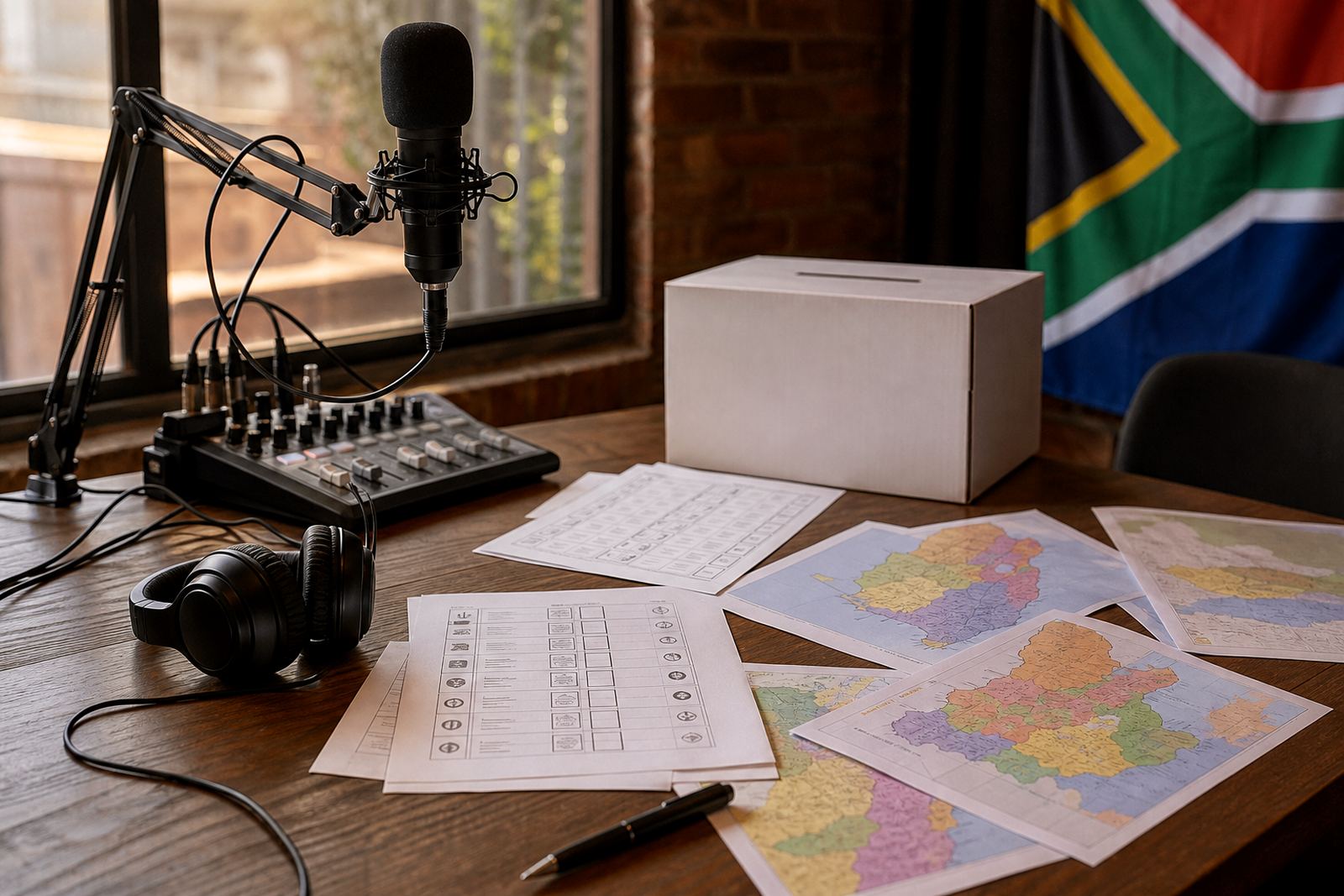
Elections are often the entry point into politics, but the real story is broader than campaign season. We explain how voting systems work, what makes a contest credible, and how rules around registration, boundaries, counting and dispute resolution shape the final result. We also look at how parties organise themselves before voters ever reach the polling station.
- Election administration and oversight
- Proportional and majoritarian systems
- Coalitions, alliances and hung legislatures
- Campaign rules, media access and public funding
When a country changes its electoral rules, the effect is often felt in Parliament, in municipal councils and in the way citizens judge legitimacy. Understanding those links is useful whether you are following politics in Johannesburg, Nairobi, Accra or Lusaka.
Constitutions, courts and the rules of power
Constitutions set the basic terms of political life, but they are only as strong as the institutions that interpret and enforce them. We cover separation of powers, judicial review, executive authority, parliamentary oversight and the rights that protect citizens from abuse. We also explain how legal language becomes political when institutions disagree about their own limits.
People often come to this topic after a court case, a constitutional amendment or a dispute between the executive and legislature. The background matters. A rule that looks technical on paper can change who appoints officials, how budgets are approved, or when a president may act without prior approval. That is why constitutional politics deserves careful reading, not just headlines.
Parties, movements and opposition politics
Parties are one of the main ways people organise power, but they are not the only way. This topic includes party systems, opposition strategy, internal leadership contests, ideology, movement politics and the relationship between political organisations and civic groups. We write about how parties build support, how they lose it, and how internal rules affect public trust.
- Party structures and candidate selection
- Opposition politics and parliamentary scrutiny
- Movement politics and issue based organising
- Patronage, discipline and factionalism
In many African countries, the formal party label does not explain everything on its own. Local alliances, historical loyalties and regional interests can matter just as much. Following those layers matters if politics is to be understood without reducing it to slogans.
Public finance, service delivery and the state
Politics is not only about speeches and elections. It is also about how the state collects money, spends it and delivers services. Budgets, taxation, procurement, audit processes, municipal administration and the politics of infrastructure shape daily life. These are the places where citizens often feel government most directly, whether through water supply, roads, clinics, housing or public transport.
Across South Africa and elsewhere, service delivery debates often mix technical questions with political ones. A delay may come from a planning failure, a legal dispute, a shortage of staff, or a conflict between different levels of government. Clear analysis shows where accountability sits and what kind of reform is actually being discussed.
Media, public debate and political communication
Politics depends on communication. This topic explores how leaders, parties, journalists, commentators and citizens use language to frame issues, set agendas and shape public understanding. We look at press freedom, state communication, misinformation, platform politics and the role of podcasts and essays in public debate. The point is not only what is said, but how it is presented and repeated.
- Press freedom and media regulation
- Political messaging and crisis communication
- Misinformation, rumour and verification
- Public argument in radio, print and digital media
In fast moving political moments, careful explanation matters more than ever. A clear timeline, a defined term or a short institutional note can make a difficult issue easier to follow, especially when the public conversation is noisy or incomplete.
Citizenship, identity and political history
Politics is shaped by history, but history is not just a list of events. It includes the ideas, institutions and social divisions that still influence how people understand belonging, rights and authority today. Citizenship, nationalism, protest, representation, ethnicity, religion, gender and the long afterlife of colonial rule in public institutions remain central to political life.
We treat history as a tool for explanation. That means asking how earlier choices shaped current rules, why some debates return in different countries, and how citizens inherit institutions that were designed long before present day expectations of democracy and accountability. It is a useful place to start if you want the larger picture behind current political arguments.