Why Opposition Matters Beyond Election Season
In everyday political talk, opposition is often treated as the side that simply says no. That is too narrow. A serious opposition helps a democracy by testing decisions before they harden into policy, asking how public money will be used, and forcing governing leaders to explain why one option is better than another. Without that pressure, public life becomes more closed, and mistakes are more likely to repeat.
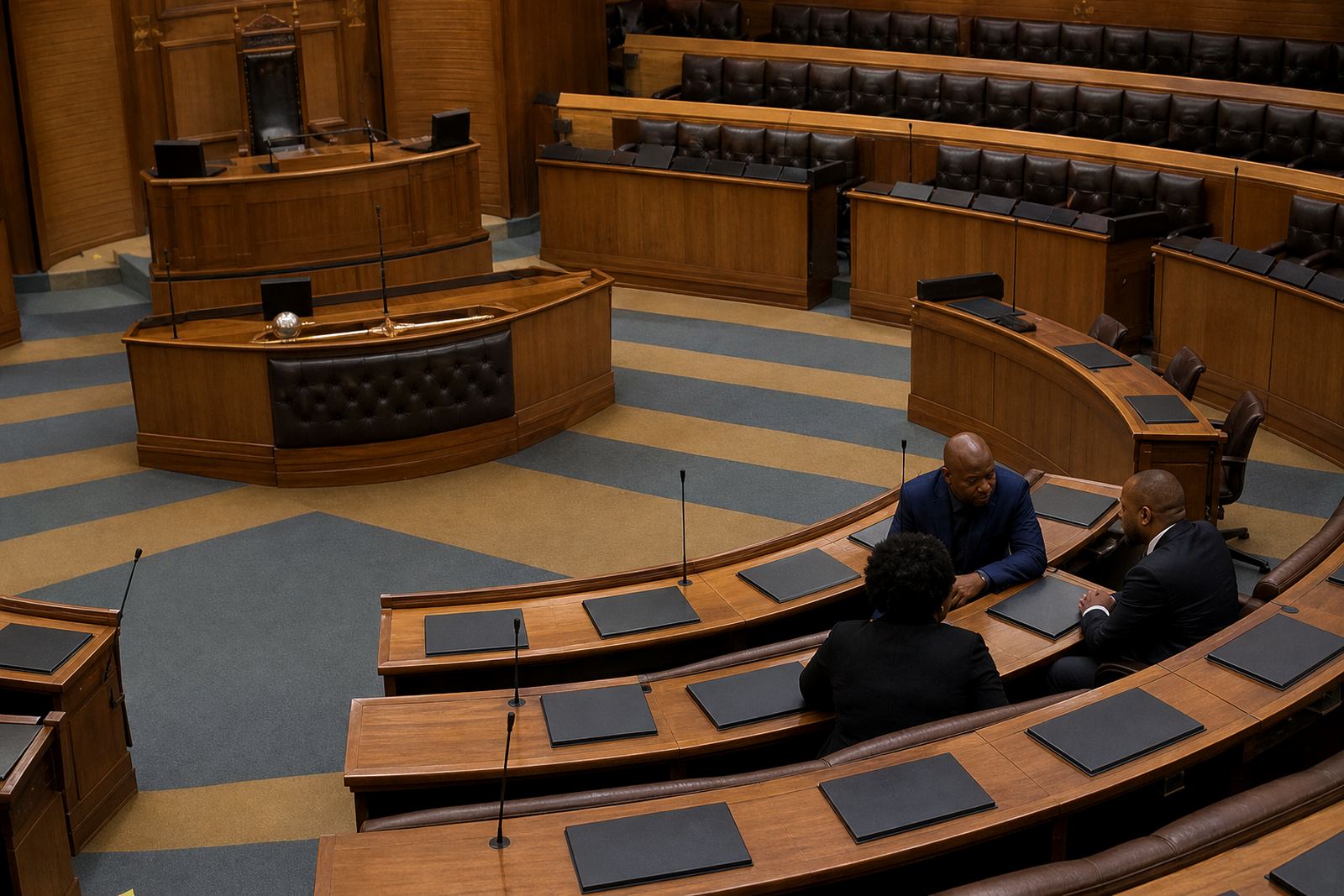
In parliamentary systems, and in local councils too, opposition gives voters a second lens on the state. It can point out delays in service delivery, weak oversight of contracts, or a budget that promises more than the administration can honestly fund. That work is not always popular, because it sounds uncomfortable. But discomfort is often the price of accountability.
Scrutiny Is Not the Same as Noise
Good opposition is disciplined. It does not need to shout at every turn or turn every issue into theatre. Strong scrutiny starts with reading the papers, understanding the rules and knowing where the pressure points are. A motion, a committee hearing, a procurement process or a budget vote all give chances to ask proper questions.
Where opposition becomes only noise, it can lose the public trust it is trying to win. People notice when criticism is repeated without evidence, or when a party attacks a policy one week and then quietly supports the same idea later. Credibility grows when criticism is specific, consistent and tied to the public interest.
- Ask what the policy costs and who benefits.
- Check whether the legal process was followed.
- Separate bad administration from a bad idea.
- Offer an alternative, not just complaint.
How Opposition Strengthens Representation
Representative politics works best when there is more than one voice in the room. Voters need a way to compare ideas, not only personalities. Opposition parties, independent councillors and civil society voices all help expose weak reasoning and improve public debate. They can also give a hearing to smaller communities that might otherwise be overlooked in the scramble for majorities.
This matters in Africa because many democracies carry the memory of concentrated power. Where the state is strong and public institutions are young, opposition helps normalise the idea that the government is not the nation. It is only one temporary custodian of public authority. That distinction is basic, but it still needs defending.
When opposition does its job properly, it can push the ruling side to improve planning, publish clearer information and explain service delays with more honesty. In that sense, opposition is not anti-government. It is pro-accountability.
A Johannesburg Example: Oversight at Ward and Metro Level
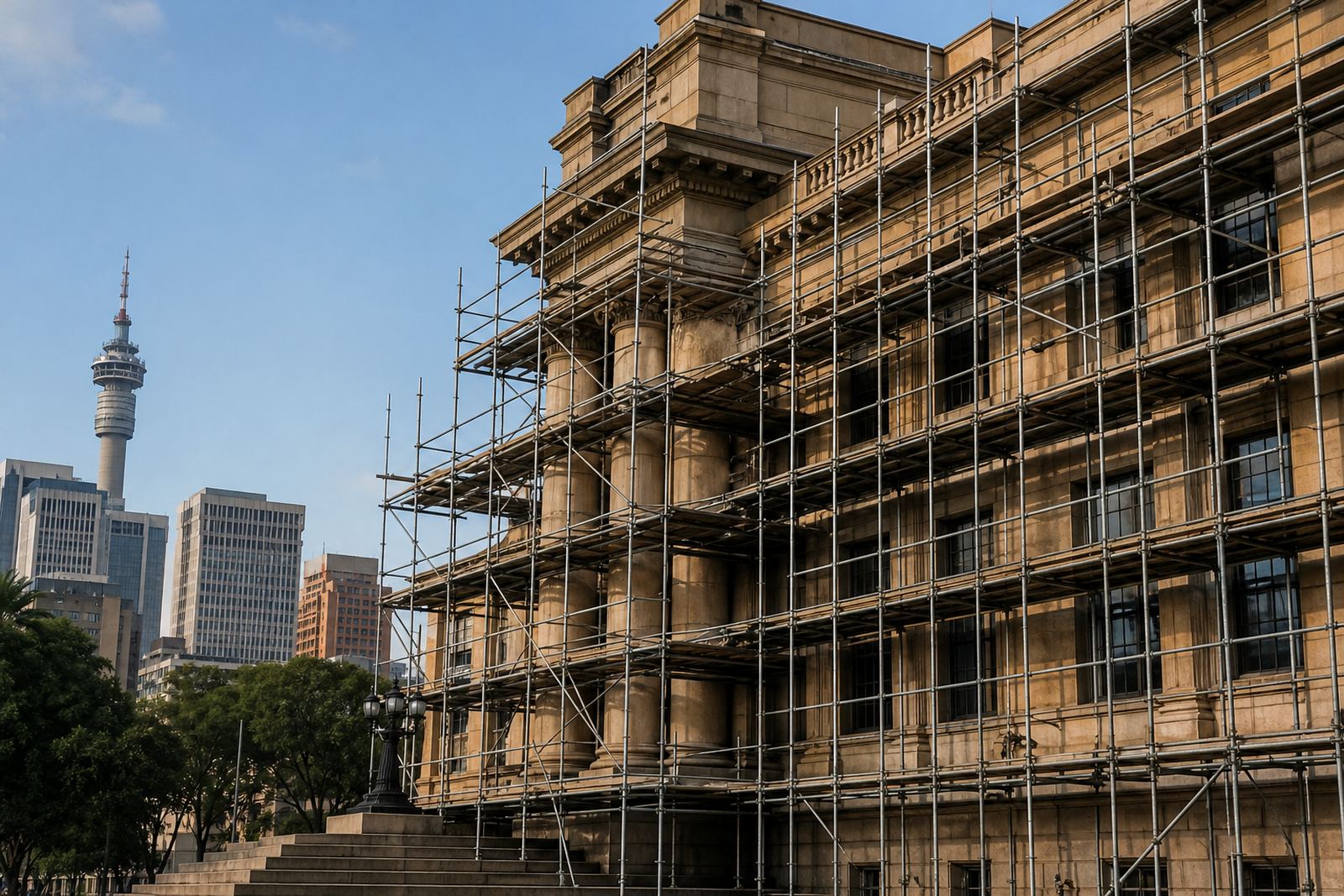
Take a practical case in Johannesburg. A community in Rosebank, Soweto or Alexandra may face repeated water interruptions, poor road repairs or weak by-law enforcement. Residents often want a direct fix, but the deeper question is how the issue entered the system in the first place. Was maintenance delayed? Was the budget shifted? Did a contractor fail to deliver? Were complaints logged and ignored?
That is where opposition work becomes useful. A councillor or committee member can ask for documents, compare promises to delivery and put the issue on the public record. The aim is not just embarrassment, it is repair. In a city as large as Johannesburg, where service pressure and administrative load are constant, public questioning can be the difference between a problem being managed and a problem being normalised.
Practical opposition at local level often looks ordinary: attending meetings, reading notices, checking whether public comments were considered, and making sure residents know when a decision was taken. It is not glamorous, but it keeps the machinery visible.
What Citizens Should Expect From Opposition Figures
Citizens should not expect opposition to solve every problem alone. That would be unfair and unrealistic. But they can reasonably expect honesty, preparation and respect for facts. A useful opposition figure should understand the institution they are working in, whether that is Parliament, a provincial legislature or a municipal council.
- Know the standing rules and committee process.
- Read budgets, not only press statements.
- Return to the same issue until it is answered.
- Explain policy in plain language for ordinary residents.
- Avoid promising outcomes that require powers they do not have.
When opposition speaks clearly, it helps the public judge performance on substance. When it relies on slogans, it can deepen cynicism. People are more likely to trust politics when they see that disagreement is based on argument and evidence, not only on attitude.
The Balance That Keeps Democracy Honest
Democracy does not need everyone to agree. It needs disagreement to be organised, lawful and useful. Opposition is one of the main ways that balance is maintained. It asks whether a decision was necessary, whether it was fair, and whether the state has stayed within its mandate. That is a service to the public, even when it irritates those in power.
Across Africa, the strongest political systems are not the ones that silence criticism. They are the ones that can withstand it. In South Africa, Kenya, Nigeria, Ghana and Zambia, the health of public life depends on whether leaders answer questions, institutions keep records and citizens remain alert to how power is used. Opposition makes that habit harder to avoid, and that is exactly why it matters.
The real test is not whether a government faces criticism. The real test is whether criticism can still be heard clearly, fairly and without fear.