Why committee rooms matter more than the chamber
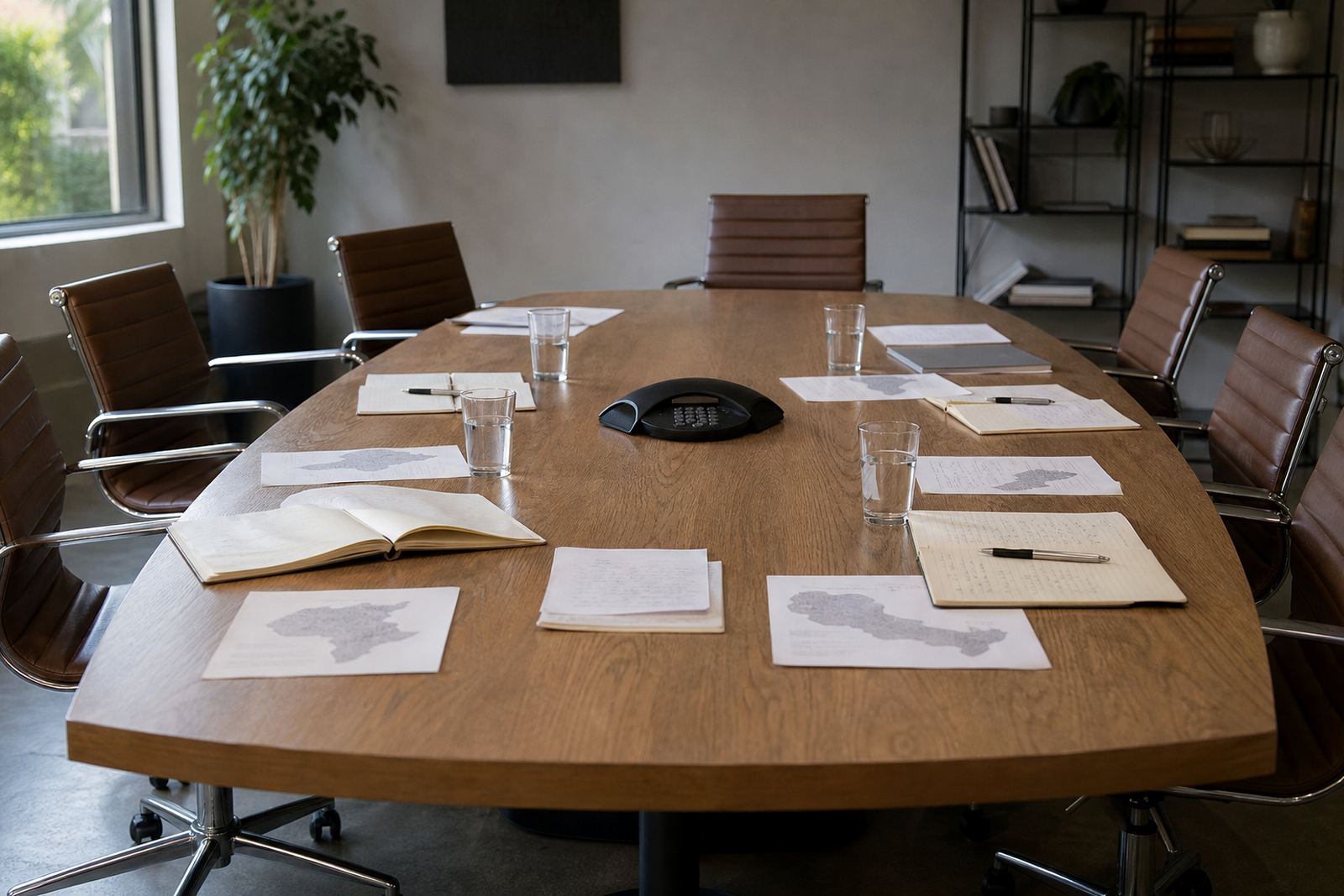
Big speeches get attention, but committees do the slower work that gives public decisions their shape. In a committee room, members can ask for line by line explanations, test a draft law against real conditions and push officials to explain what happens on the ground in places like Johannesburg, Pretoria, Soweto, Nairobi, Lagos, Accra and Lusaka.
That is why committee work matters to anyone following politics. The chamber is where positions are announced. The committee room is where details are checked, wording is adjusted and weak proposals are often exposed. It is less theatrical, but it often, shows how power is actually used.
For citizens, committees are useful because they reveal how institutions think. A budget hearing can show whether a department understands service delivery. A transport committee can show whether roads, rail and municipal permits are being handled with care. A public accounts hearing can show whether money was spent as intended or not.
Oversight works best when members ask plain questions
Committee oversight depends on clear questions. A good committee does not hide behind slogans. It asks who is responsible, what was done, which rule applied and what remains unfinished. That kind of questioning is important whether the issue is water interruptions in Gauteng, port delays on the coast or pressure on city services during load-shedding.
Good oversight is not about catching people out for the sake of it. It is about making public duty visible. When a committee asks for procurement records, service delivery plans or implementation timelines, it creates a paper trail that can be checked later. That makes it harder for deadlines to drift without consequence.
- Ask for documents before the meeting, not only during it.
- Separate policy questions from operational questions.
- Track who made a promise and what date was given.
- Follow up on the same issue in the next sitting.
Simple discipline matters. Committees lose strength when meetings become vague or overly polite. The best ones stay focused on facts, not performance.
Negotiation happens best when people can work with specifics
Committee rooms are also where compromise is built. Members with different views can go through a clause together and see where agreement is possible. That process can feel slow, but it is often the only way to produce a workable outcome. A bill that sounds neat in a speech may fall apart when applied to real schools, clinics, municipalities or regulatory offices.
Negotiation in committees is valuable because it forces precision. If a rule affects small businesses in Soweto or housing approvals in Pretoria, the practical effect has to be understood. If an education proposal changes reporting duties for schools in Lusaka or Lagos, the burden on staff must be examined. These are not abstract points. They are the difference between policy that functions and policy that sits on paper.
When negotiation is done well, nobody gets everything they want, but the final version is clearer and easier to apply. That is a practical virtue, not a compromise of principle.
How committee culture shapes public trust
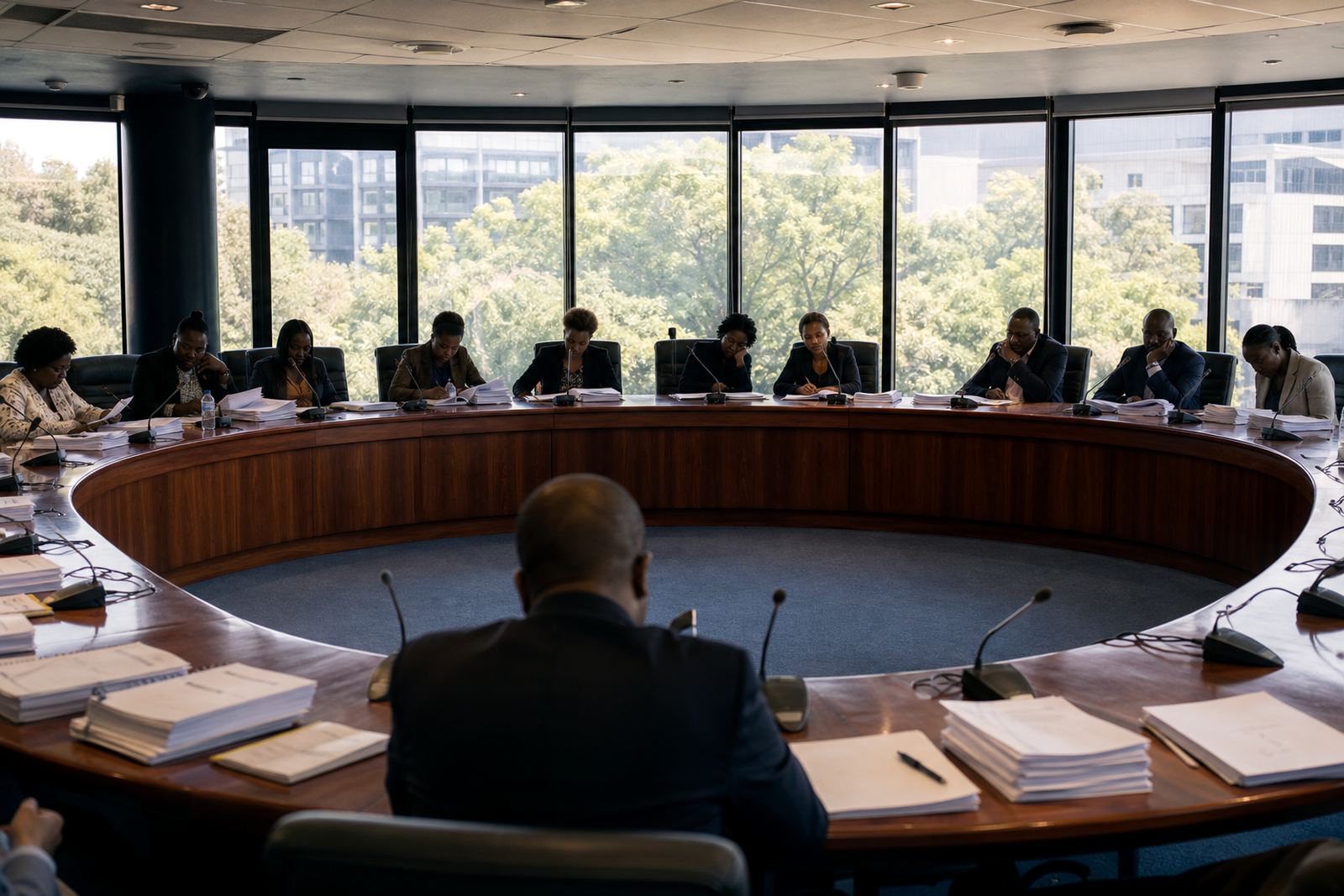
People often judge politics by what they see on television or social media. Yet trust is built in quieter rooms where members listen, take notes and insist on proper answers. A committee that prepares carefully can make public institutions feel less distant. A committee that is careless can do the opposite.
Committee culture also teaches citizens what to expect from public life. If members arrive unprepared, the public learns to expect weak scrutiny. If they read the file, challenge the figures and return to unresolved matters, the public sees that institutions can still demand standards. In a region where many people are already tired of excuses, that matters.
- Preparation sends a signal that public time has value.
- Consistency helps build a record that can be checked later.
- Respectful challenge is stronger than noise.
- Clear minutes make accountability easier.
Good committee culture is not glamorous. It is steady, disciplined and sometimes plain. But that steadiness is what gives oversight its value.
From the reporting notes: Johannesburg
Consider a committee meeting in Rosebank, Johannesburg, where councillors or administrators review a service issue affecting nearby neighbourhoods and surrounding areas. The matter may sound ordinary at first, perhaps waste collection, billing confusion or stalled maintenance. Yet once the committee asks for dates, records, contractor details and escalation steps, the real shape of the problem appears.
The point is not that every problem is solved in one sitting. The point is that the issue is moved from complaint into process. Someone must answer, someone must commit to a next step and someone must check whether that step happened. That is how committee work turns public frustration into accountable action, even if the result is modest at first.
In practice, this is where local politics becomes real. A resident in Soweto, a commuter in Pretoria or a business owner in central Johannesburg may never attend the sitting, but the decision reached there can affect a permit, a road repair or a service schedule. Committee rooms are not far from daily life, they are closer than many people think.
What strong committees should always do
Strong committees do not rely on personalities. They rely on process. They keep their scope clear, they invite the right officials, they require written follow up and they do not let unresolved issues disappear between meetings.
A practical committee should do the following:
- Set a clear agenda and keep to it.
- Record who is responsible for each action point.
- Distinguish between policy, administration and enforcement.
- Return to outstanding issues until they are resolved or explained.
- Keep the language plain enough for the public to understand.
These habits may sound ordinary, but ordinary discipline is what keeps institutions honest. Without it, oversight becomes ceremony.
The real value of committees is public learning
Committees do more than process papers. They help the public understand how decisions are made, who is accountable and what trade-offs sit behind every policy choice. That learning is part of citizenship. It helps people see that politics is not only about leaders and rallies, but also about administration, law and routine scrutiny.
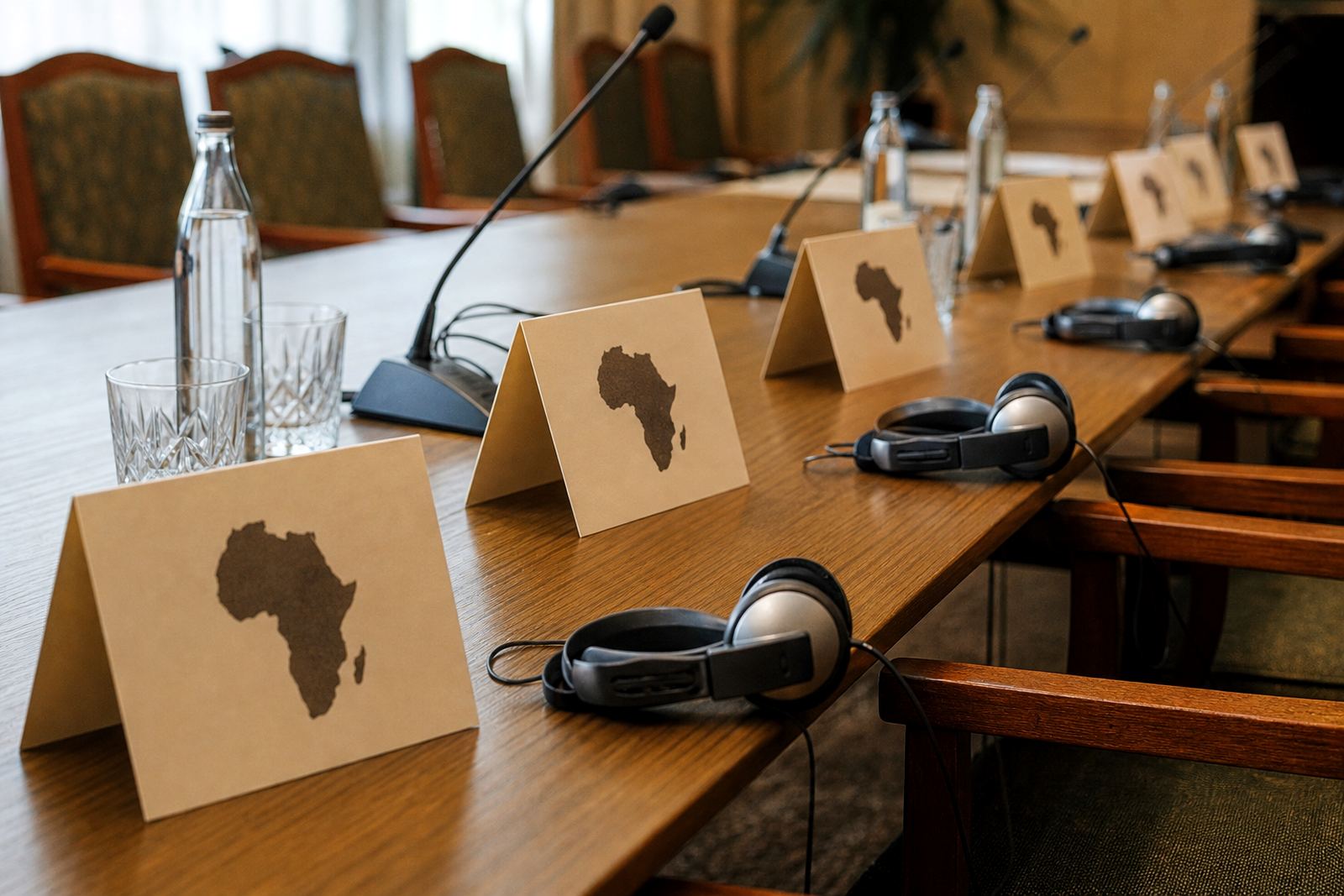
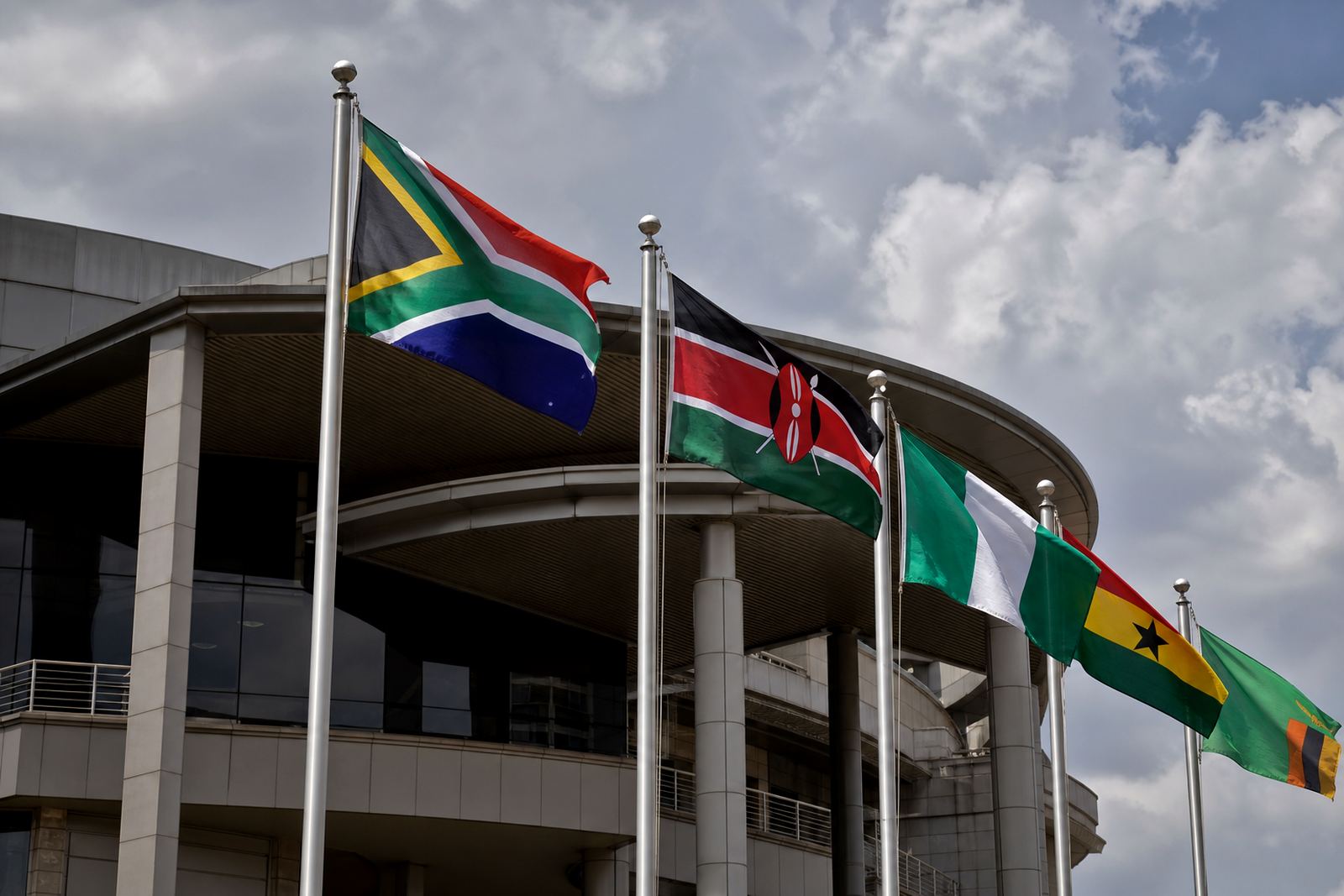
Across South Africa and the wider continent, the value of committee rooms lies in their seriousness. They are one of the few places where detail matters more than volume. When used properly, they make government more explainable and public choices more defensible. When used badly, they become a delay mechanism. The difference is in preparation, persistence and respect for facts.
That is why committees deserve attention. They are where democracy is often tested in practical terms, and where careful work can still make a difference.