Tax is the price of public life, not just a deduction
In political terms, tax is a contribution to the common pot that keeps a country running. Roads, schools, clinics, police, courts and local services all depend on public revenue, even when citizens do not see the connection day to day.
The important idea is that tax creates a relationship. The citizen gives money, and in return the state is expected to provide order, fairness and usable services. When that exchange works, people are more willing to comply. When it fails, tax can feel like a punishment rather than a civic duty.
In Johannesburg, this is easy to observe. A business in Rosebank pays municipal charges and national taxes, while a household in Soweto may see the effects of poor roads and intermittent maintenance and still wonder what the public side of the bargain really looks like. That question is political, not only financial.
What tax says about citizenship in Africa
Across Africa, tax has often been shaped by history. Colonial systems used taxation to control labour, raise revenue and strengthen administrative power. After independence, many governments kept the same basic machinery, but citizens began to ask a new question: who does the state serve now?
That is why tax remains tied to citizenship. It is not only about paying money. It is about belonging to a political community where rules apply to everyone, public money is accounted for and leaders can be challenged when services fall short.
- Tax can build a shared public space when citizens see fair treatment.
- It can also deepen mistrust when exemptions, waste or corruption appear to favour a few.
- Clear tax rules help ordinary people plan businesses, households and long term decisions.
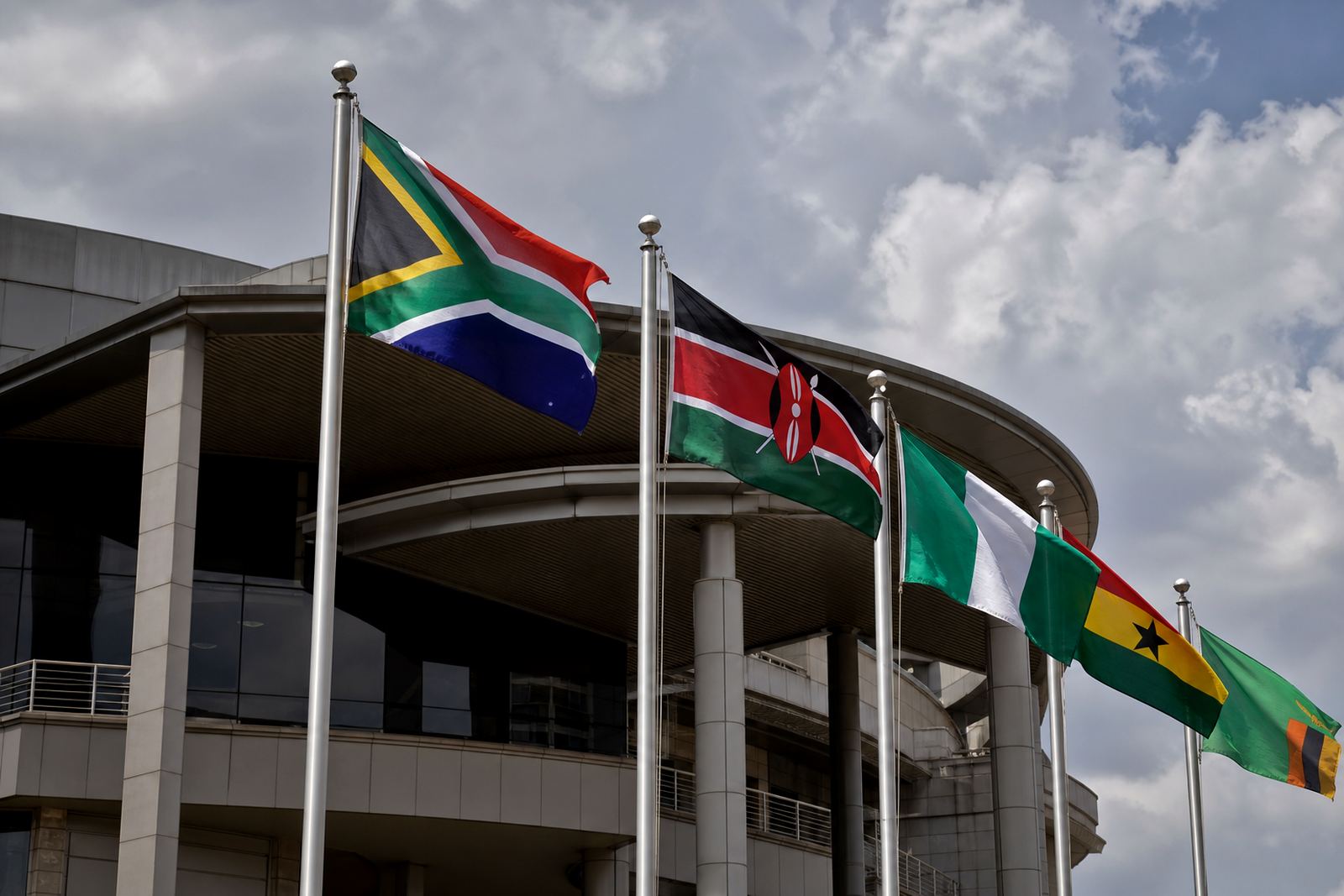
In countries such as South Africa, Kenya, Nigeria, Ghana and Zambia, the debate is similar even if the tax systems differ. People want to know whether the burden is shared fairly and whether revenue is turned into visible public value.
The state must earn compliance through service and fairness
A strong tax system is not only about enforcement. It depends on trust. Citizens are more likely to pay when filing is understandable, when collection is consistent and when public spending can be traced in practical terms.
This is where political behaviour matters. If the state asks for tax but cannot explain where the money goes, people begin to separate payment from citizenship. They may still comply because they must, but the civic meaning weakens. Over time that weakens voluntary compliance too.
Practical advice for households and small firms is simple:
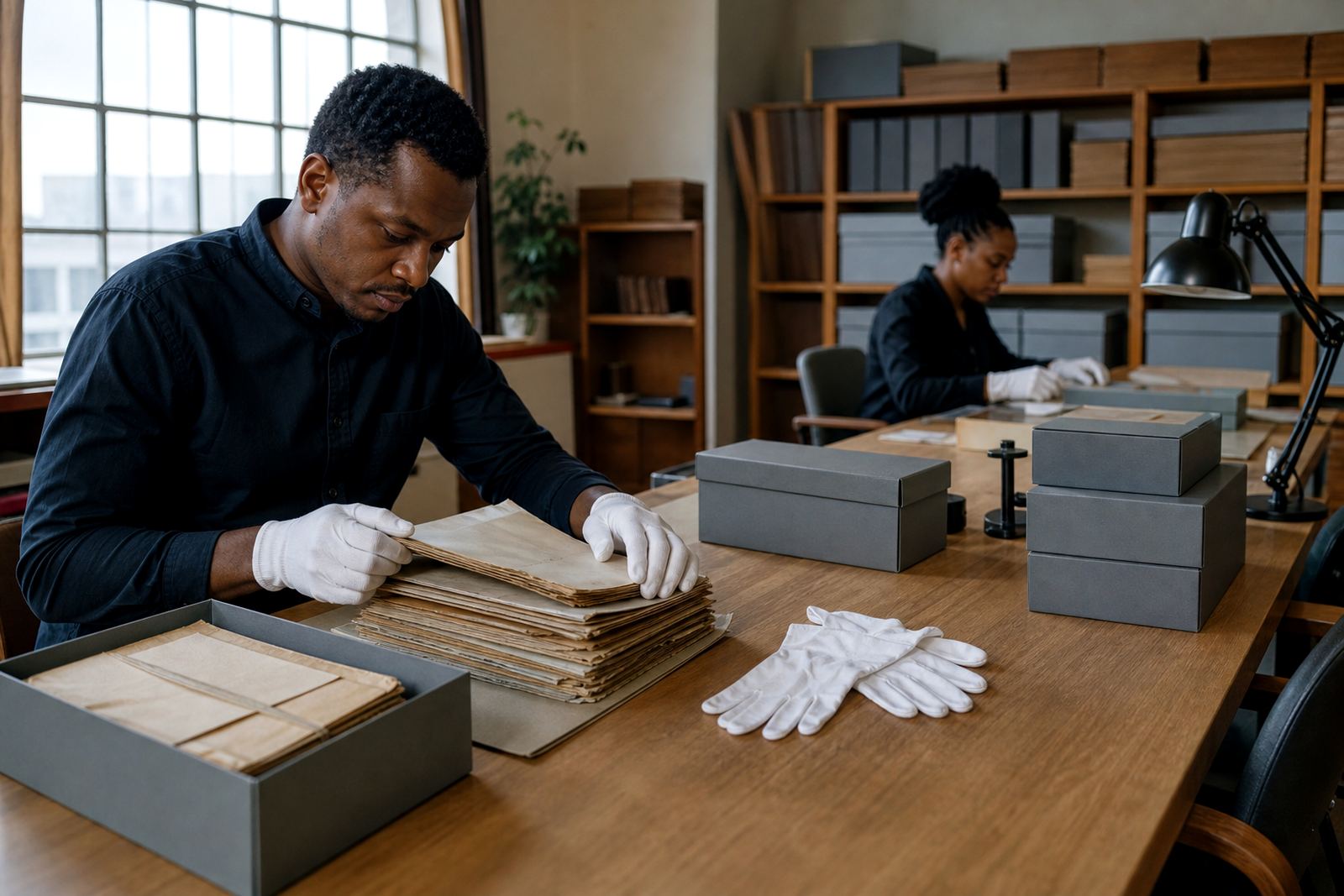
- Keep records of invoices, receipts and payroll documents from the first day.
- Separate business spending from personal spending, even in a small operation.
- Check filing dates early, not the night before the deadline.
- Use professional advice when a transaction is unclear, especially for cross border work or property income.
A small publisher in Rosebank or a podcast operation with an audience in Pretoria and Nairobi needs clean records. They reduce disputes, save time and make it easier to stay credible with suppliers, funders and the tax authority.
When citizens ask what they get back
The everyday test of taxation is simple: what returns to the public after the money leaves private hands? If a road is passable, a school has materials and a clinic is staffed, people can see the link. If not, tax feels abstract and distant.
This is why local government matters so much. Municipal rates and service charges are often the first place people experience the state. In a city like Johannesburg, where businesses depend on transport, stable utilities and municipal administration, tax is not only national. It is also local and immediate.
- Watch whether service delivery matches the charges on the account.
- Ask for clear explanations when fees change.
- Join ward meetings or business forums where budgets and services are discussed.
- Keep copies of correspondence about billing errors or missing services.
Citizenship becomes more concrete when people know how to question a bill and how to read a budget. That is not confrontation for its own sake. It is part of responsible public life.
A Johannesburg example: tax, trust and public space
Take a simple example from Rosebank. A small team rents office space, buys data, pays staff and uses a mix of digital tools and local suppliers. Each transaction carries a tax implication somewhere in the chain. The business may not feel political, but it is participating in public finance every day.
Now compare that with the person commuting from Soweto who pays for transport, electricity, airtime and goods that already carry tax. Both are contributing, but both may also ask whether the system is fair. That is a reasonable democratic question, not a complaint from the sidelines.
The lesson is that tax policy should be legible to ordinary people. If citizens cannot tell how money is raised, who pays more and how revenue is used, then the state weakens its own authority. Good citizenship requires information, and good taxation requires explanation.
A practical civic checklist for taxpayers
People often treat tax as a once a year scramble, but citizenship works better when it is approached steadily. Whether you are employed, self-employed or running a small media outfit, the same discipline helps.
- Understand which taxes apply to your income and your business activity.
- Put aside money regularly for tax rather than waiting for the bill.
- Review payroll, supplier contracts and sales records every month.
- Keep proof of expenses that may be relevant later.
- Speak up when public money is poorly managed, through lawful channels.
There is also a wider civic habit here. Tax should not be discussed only in accounting terms. It should be discussed in terms of fairness, state capacity and the dignity of being a citizen. When people see that link, tax becomes part of democratic life rather than a private irritation.