Why public learning is part of citizenship
Civic education matters because democracy is not just a vote every few years. It is the daily practice of knowing how councils, parliaments, courts and public bodies are meant to work, and when they do not. Without that knowledge, people can be left guessing about who is responsible for water cuts, clinic queues, potholes, licensing delays or budget decisions.
In Johannesburg, for example, a resident may complain about refuse collection, but the issue may involve local ward processes, municipal departments, contractor performance and budget choices. A well informed citizen does not need to be a legal expert, but should know where to ask questions and which office carries the duty. That is the difference between frustration and action.
- It helps people separate facts from rumour
- It shows where public power begins and ends
- It makes participation more practical and less intimidating
What civic education actually teaches
Good civic learning is not propaganda and it is not party messaging. It explains the basic ideas that hold public life together: constitutional rights, duties of office holders, separation of powers, public participation, budgets, elections, petitions and oversight. It also teaches how local government works, which is often where people feel the effects of politics most directly.
In many African cities, the gap is not that people do not care. The gap is that the system is complicated, language can be technical, and information is often scattered. When people understand committees, public hearings and service delivery channels, they are better placed to ask sharper questions. That matters in Pretoria, Soweto, Nairobi, Lagos, Accra and Lusaka alike, even though each city has its own rules and structures.
- Know the difference between national, provincial and local government
- Understand your rights to information, participation and fair treatment
- Learn how laws are made, debated and checked
- Recognise when a public issue is political and when it is administrative
Why confusion weakens public life
When civic knowledge is thin, public debate becomes easy to distort. Rumours can travel faster than facts. People may blame the wrong institution, accept false promises, or believe that nothing can be done. That is a problem because weak information creates a gap that can be filled by fear, tribal thinking, bribery, patronage or simple apathy.
Citizens who do not know how institutions work are also more likely to be excluded from them. They may miss public comment windows, fail to follow a complaint route, or assume that a councillor can fix every issue alone. In reality, good government depends on many moving parts. A civic education effort gives people a map, even if the road is still difficult.
There is also a practical reason. In places where service delivery is uneven and load shedding, water interruptions or transport breakdowns affect daily life, clear public knowledge saves time and reduces confusion. It does not solve every problem, but it helps people respond in a more organised way.
A local Johannesburg example of informed participation
Take a resident group in Rosebank or nearby suburbs dealing with repeated traffic problems, damaged sidewalks and poor communication from municipal offices. Without civic education, the discussion may stay at the level of complaint. With basic public knowledge, the same group can identify the relevant ward structures, prepare a written submission, attend a public meeting and keep records of follow up.
That process may sound slow, but it is how accountable public action is built. It teaches people to work with evidence, not just anger. It also helps residents understand that one issue may touch several systems at once, from road maintenance to by law enforcement and planning approvals. The more people know, the more precise their demands become.
- Keep a dated record of the problem and where it appears
- Ask which office or committee is responsible
- Use clear language and stick to the facts
- Follow up in writing so there is a trail
How families, schools and media can help
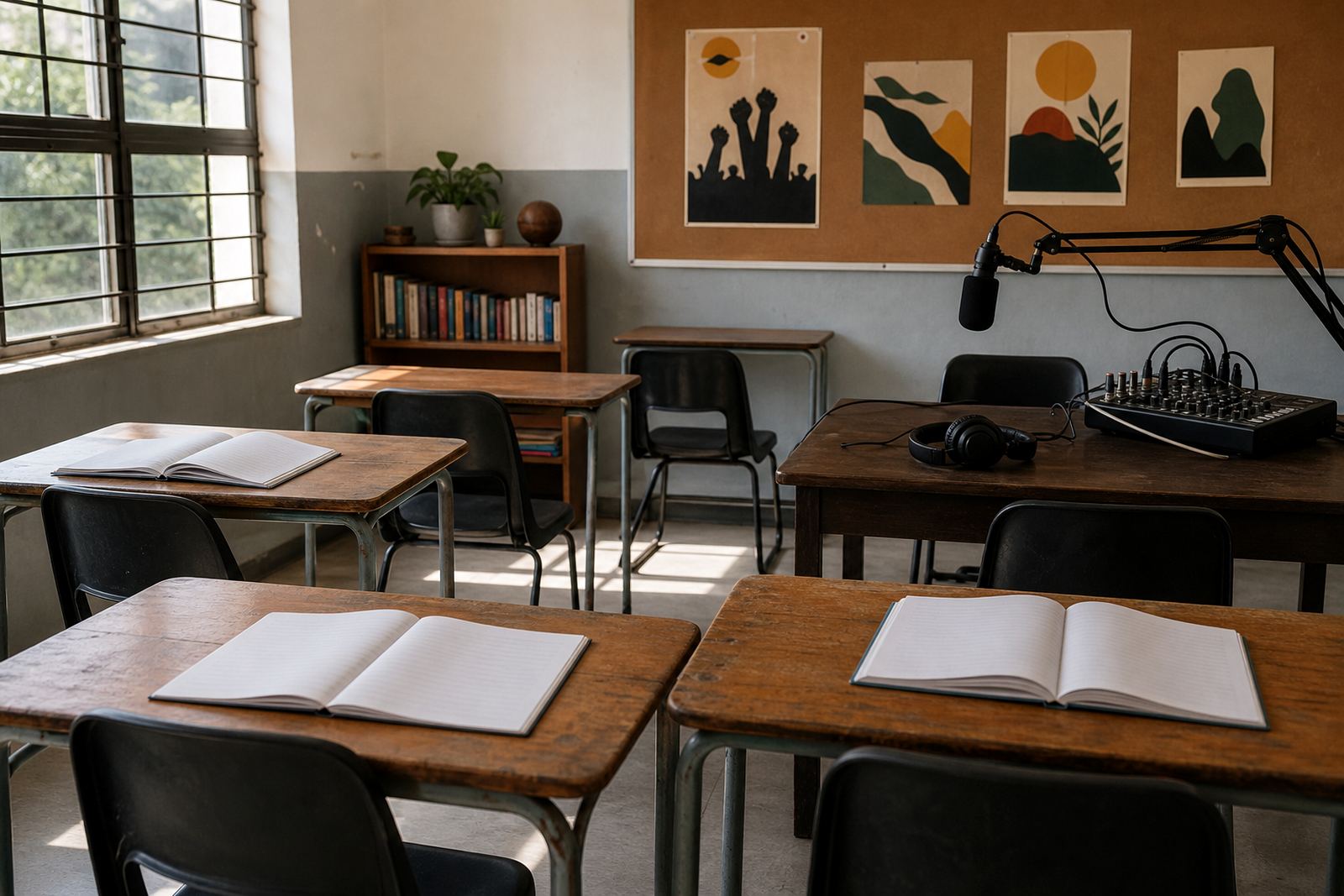
Civic education should not begin and end with formal schooling. Families can discuss public issues at home in simple terms. Schools can teach learners how government works, why rights matter and how to test claims before sharing them. Community organisations can explain local rules, municipal processes and voting procedures in plain language. Media platforms can support this by unpacking institutions rather than only reporting conflict.
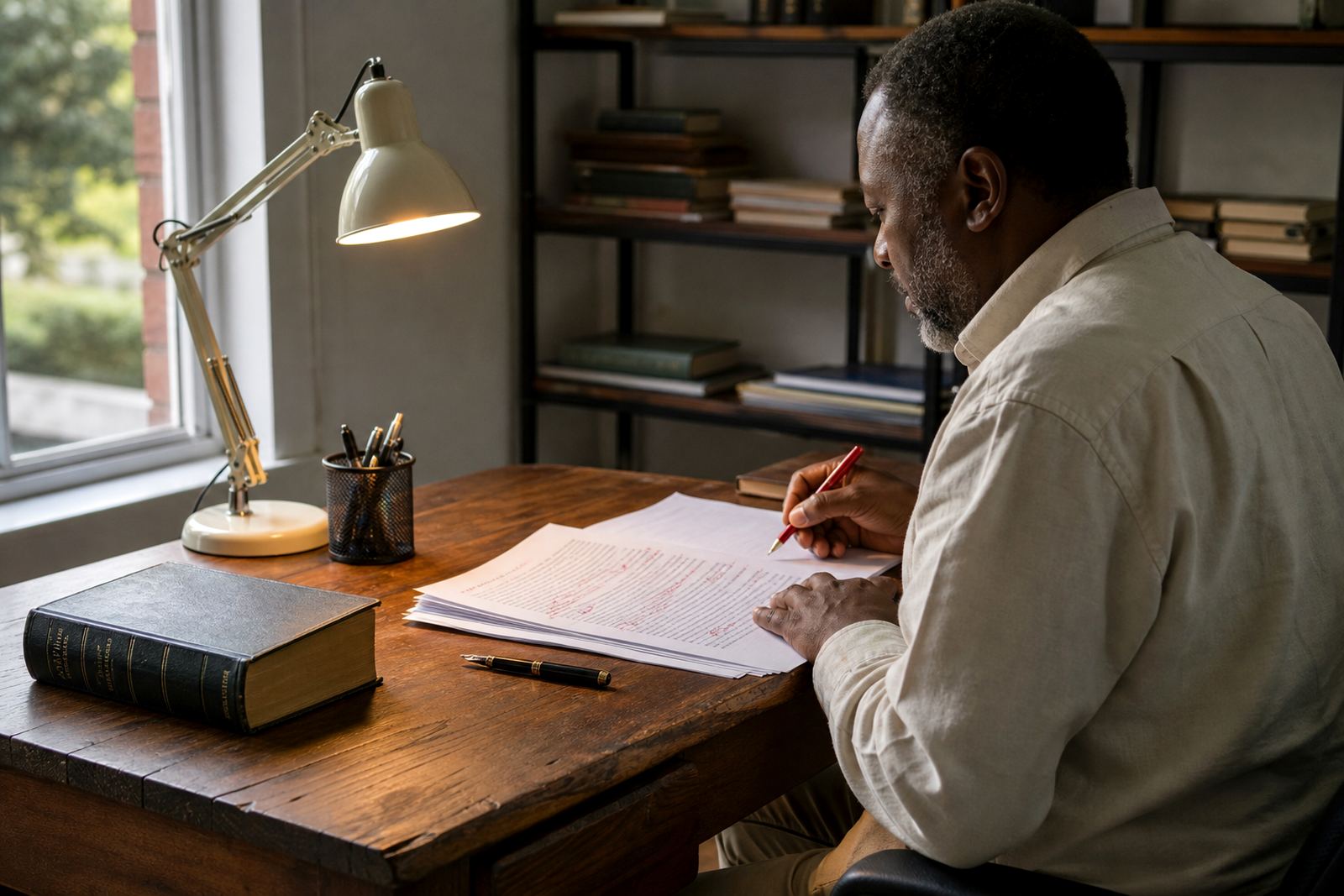
Podcasting and essays are useful because they let people sit with an idea for longer. A good explanation can show why a constitution exists, how oversight committees work, or why a public hearing matters even when attendance is low. That kind of learning is especially important in regions where political language is often noisy but not always clear.
Practical civic teaching should be local, specific and regular. It must be repeated in ways that suit different languages, ages and levels of schooling. If people only hear about civic duties during an election, then the public conversation arrives too late.
What informed citizenship looks like in practice
Informed citizenship is not about knowing everything. It is about knowing enough to ask the right questions and act in the right place. That may mean checking a budget notice, reading a draft by law, attending a community meeting, or simply asking for the name of the office that must respond. It also means being willing to correct yourself when new information appears.
For African democracies, this matters because public life is shaped by many pressures at once, from unemployment and inflation to inequality, migration and infrastructure strain. Civic education gives people a way to understand those pressures without giving up on public life. It supports dignity, accountability and better judgement, which are needed long after the speeches have ended.
When citizens know how to read the system, they are less easy to mislead and more likely to participate with purpose. That is why civic education is not a side issue. It is part of the foundation of a functioning public culture.