Time Is the Real Currency of Parliament
In any legislature, the agenda is only half the story. The other half is time, and who gets enough of it. A bill that is tabled late in the session may still pass, but it often passes after shorter hearings, fewer amendments and less careful scrutiny. That is why parliamentary time matters just as much as parliamentary numbers.
Across Africa, from South Africa to Kenya, Nigeria, Ghana and Zambia, committees do much of the real work. They read draft laws, call departments, question officials and hear public submissions. If the calendar is crowded, the committee stage becomes a bottleneck. That does not always make the law bad, but it can leave weak points in place for years.
How Calendars Quietly Shape Outcomes
Legislative calendars look technical, yet they influence public life in direct ways. A budget measure may move faster than a social policy bill. An urgent security matter can push aside hearings on schools, clinics or water. When time is short, the executive often has more room to set the pace, while members and the public have less room to shape the details.
- Late tabling often means fewer public hearings.
- Short committee windows can reduce line by line amendment work.
- Overloaded sessions can delay oversight of departments and agencies.
- Unfinished business may roll over, creating backlog and confusion.
This is not only about politics in the abstract. It affects whether a law is clear, whether it can be implemented, and whether citizens understand what has changed. A rushed clause can create years of interpretation problems later, which is why schedule discipline matters so much.
Committees Do the Heavy Lifting
Committees are where detail meets real life. They are often smaller, more technical and better placed to test whether a policy idea can work on the ground. In South Africa, for example, a committee considering housing, transport or public finance must weigh legal wording against practical delivery in places like Johannesburg, Soweto and Pretoria, where service pressures can differ from one ward to the next.
The same principle applies in other capitals and major cities. A committee in Nairobi or Accra may hear concerns about regulation, access, enforcement or local administration. Good committees ask whether a rule can be applied fairly in a township, a peri-urban area, a coastal city or a rural district. If there is no time for that work, the law may look neat on paper but prove awkward in practice.
- Committees can expose drafting errors before a bill is finalised.
- They can hear from officials, civil society and technical experts.
- They can flag costs, duplication and implementation gaps.
- They can force clearer timelines for departments and agencies.
The Public Input Problem
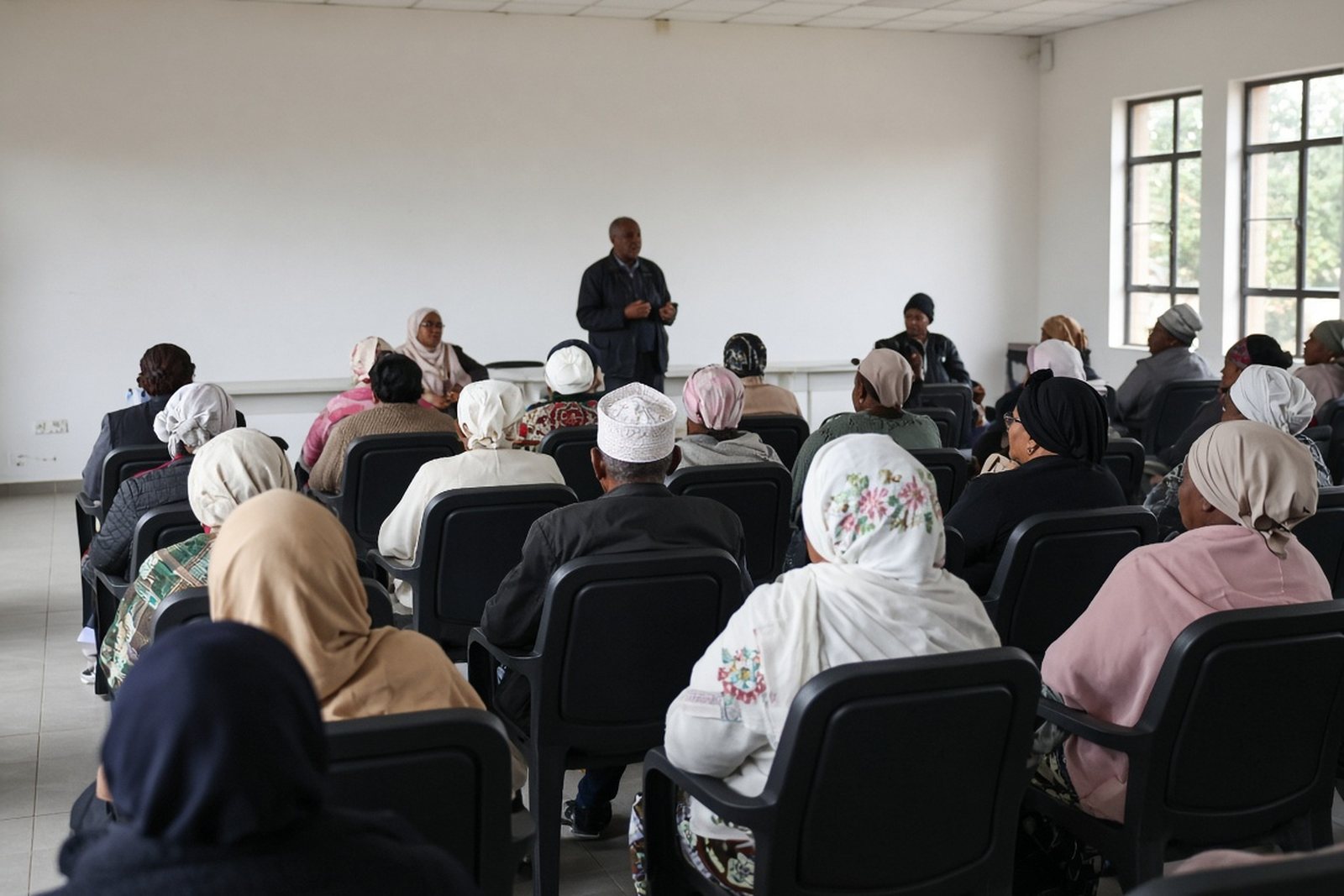
Public participation is supposed to widen the frame. People who live under a law should have a chance to comment on it. Yet participation only works when the process allows enough notice, enough reading time and enough access to the committee stage. A hearing held in a hurry can become symbolic rather than useful. People may attend, but the law is already moving.
For residents in Gauteng, this can be especially important where provincial and municipal issues overlap. A planning by-law, a land-use rule or a procurement oversight process may affect daily life in one suburb, one industrial zone or one informal settlement. If the process is compressed, citizens may only see the final result not the reasoning behind it, and that weakens trust.
Practical advice for observers is simple: follow the calendar, not just the headline. If a bill is arriving near recess or before a major political deadline, that timing may tell you a great deal about how much scrutiny it is likely to receive.
A Johannesburg Example of Why Timing Matters
Consider a local budget hearing in Johannesburg. If the committee receives the papers late, members have less time to compare department requests, question unexplained spending shifts and follow up on unfinished projects. That can affect everything from road maintenance to electricity repairs. In a city where load-shedding and service interruptions already strain daily routines, even a small delay in oversight can matter.
Now add the ordinary pressure of municipal and provincial schedules. There may be hearings on transport, clinics, policing, housing and water all in the same week. One meeting gets shortened, another gets postponed and the agenda starts to crowd out detail. The problem is not always bad intent, sometimes it is just too much work for too few hours. But the result is the same: less careful scrutiny and fewer chances to correct mistakes.
That is why experienced observers watch how a legislature allocates hearing days, how often committees meet and whether oversight trips are treated as central work or as an afterthought. In politics, time can be a form of power.
What Good Parliamentary Time Management Looks Like
A disciplined legislature does not try to do everything at once. It spaces out hearings, publishes papers early and protects committee sessions from unnecessary interruptions. It also keeps a clear record of what was heard, what changed and what remains unresolved. Without that rhythm, even a well-drafted law can become hard to track after approval.
- Publish draft laws early enough for reading and comment.
- Give committees real time for clause-by-clause review.
- Separate urgent items from long-term policy work.
- Keep oversight on the calendar, not only emergency debates.
- Record amendments and reasons so the public can follow the trail.
These are basic habits, but they shape whether Parliament is a place of genuine scrutiny or only a stage for formal approval. In practice, the difference often comes down to whether members and staff have enough hours to do the work properly.
Why Time Should Be Read as a Democratic Signal
When a legislature gives enough time to hearings, amendments and oversight, it signals that citizens, evidence and institutions matter. When it rushes, the signal is different. That does not mean every fast decision is wrong, but speed should be justified, not assumed. In politics, the schedule is part of the message.
A useful habit is to ask not only what was decided, but how much time was allowed for the decision. That question can reveal more than a speech ever will. Parliamentary calendars are often treated as admin. In fact, they help decide which voices are heard, which errors are corrected and which reforms survive contact with reality.
If you want to understand outcomes, start by checking the clock.