A Budget Is a Political Map, Not Just a Spreadsheet
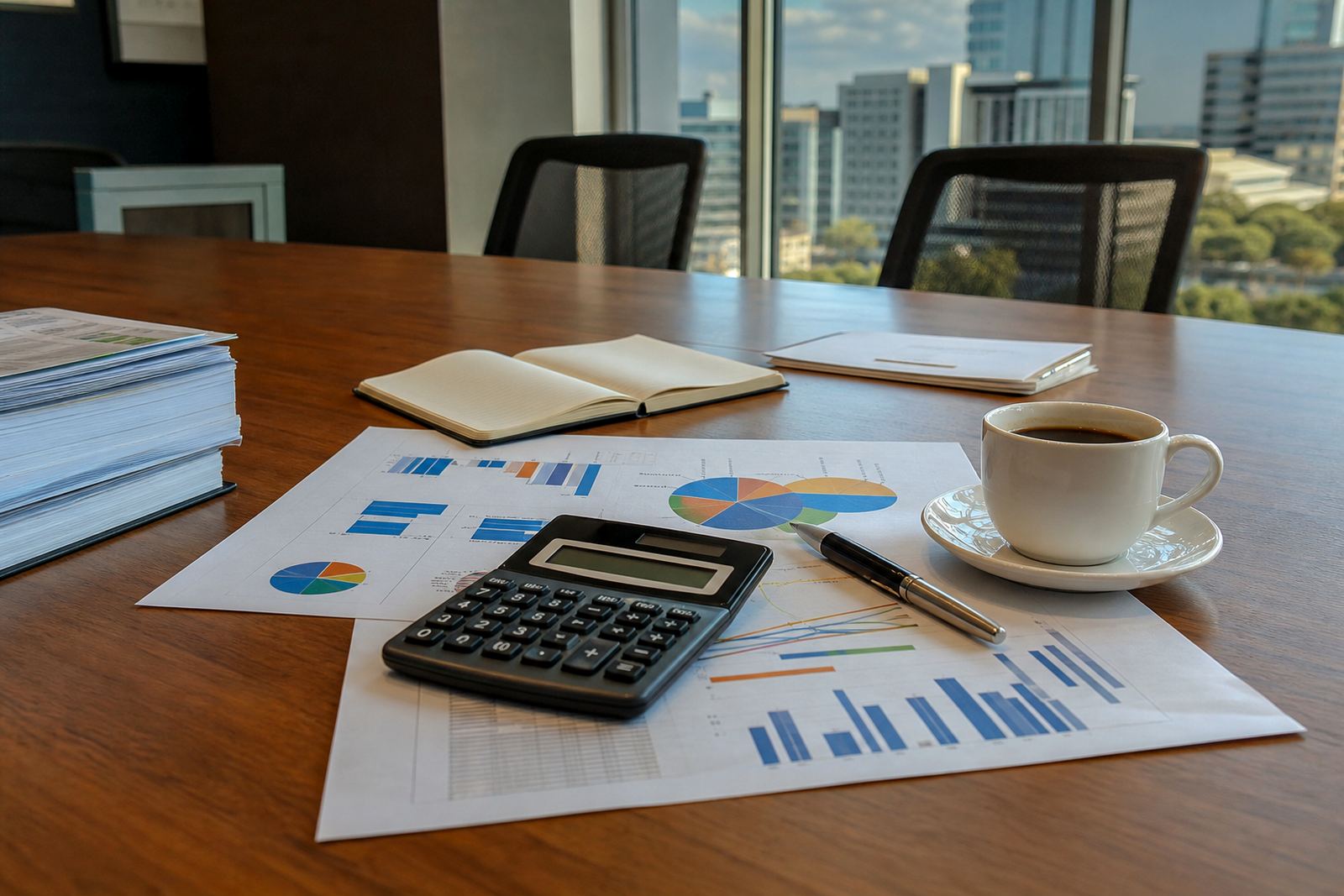
When people hear the word budget they often think of columns, sums and careful bookkeeping. But a public budget is also a political map. It shows where a government wants to put pressure, where it wants relief and which needs it believes are urgent enough to fund first.
That is why budgets tell us more than speeches do. A leader can promise jobs, safer streets, cleaner water and better schools. The budget is where those promises meet choices. If money goes to maintenance, staffing and basic service delivery, the state is saying that everyday reliability matters. If money is pushed into prestige projects while clinics or local roads wait, that also says something clear. In politics, silence is often found in the things left underfunded.
Budgets matter because they force trade-offs. No government can fund everything at once, so every allocation reflects a judgment about priority. That judgement may be wise, short-sighted, fair or unfair, but it is never neutral.
What Public Money Says About Public Values
A budget is a moral document in the sense that it reveals who gets protected when there is pressure. Does the state protect households from rising living costs, or does it leave people to absorb the shock alone? Does it invest in transport that helps workers move across a city, or does it favour institutions that already have plenty?
This is not about charity. It is about public purpose. In a democracy, the state collects money from the public and spends it back into the public sphere. Citizens should ask whether that spending strengthens dignity, fairness and access. A budget that supports municipal repair teams, teacher support and safe public transport is making one kind of political argument. A budget that delays maintenance and relies on emergency fixes is making another.
- Funding that protects daily life usually tells you what government thinks should work first.
- Spending on visibility can be political, but visibility is not the same as value.
- Repeated cuts in one area often mean quiet choices about which communities must wait.
How to Read the Signals in the Numbers
You do not need to be an economist to read a budget well. Start by asking simple questions. What is growing faster than everything else? What is being reduced year after year? Which departments are being asked to do more with the same or less? Those patterns are often more revealing than a minister’s speech.
Look too at operations and maintenance. It is easy to announce a new programme, but harder to keep machinery running, fix damaged infrastructure and pay the people who keep services moving. Underfunding maintenance is a common way that political priorities quietly show themselves. A road that is patched too late, or a water system that is ignored until it fails, is usually not just an engineering problem, it is a budgeting problem.
Also watch where money is moved in the middle of the year. Emergency reallocations can be justified, but frequent shifts may show weak planning or a habit of reacting instead of governing. A budget should help institutions prepare not just survive.
- Check whether the budget protects basic operations before new promises are added.
- Notice if capital spending rises while maintenance is neglected.
- Ask whether money reaches the local level where services are actually delivered.
A Johannesburg Example: When Service Delivery Meets Spending Choices
Consider a Johannesburg resident dealing with repeated power interruptions, water pressure problems and roads that need attention. Those conditions are felt on the street, but they begin much earlier in the budget process. If funds are not set aside for preventative work, then the city will spend more later on emergency repairs, contractor callouts and crisis management. That is costly and it usually hits ordinary residents first.
Now compare that with a budget that prioritises routine maintenance, staff training and better coordination between departments. The effect may not be dramatic in the short term, but it can make services more predictable. That is the political difference between managing a city and merely reacting to it. In a place like Rosebank, Soweto, Pretoria or any other part of the Gauteng metro, people notice quickly whether systems hold or keep failing.
This is why residents should not treat budgets as distant documents. They affect traffic signals, refuse collection, library hours, clinic queues and the condition of public spaces. A budget that ignores those basics is sending a message about whose time and comfort matters most.
Budgets Reveal Institutional Priorities
People lose trust when public institutions say one thing and fund another. If a department talks about inclusion but keeps shortchanging access, the public notices. If officials speak about accountability but do not ring-fence the money needed for oversight, people notice that too. Trust is built when there is a visible match between public language and public spending.
This is especially important in African politics, where the pressure on states is often intense and the demand for services is constant. Budgets are one of the few places where citizens can see whether an institution is serious about its own goals. They are not perfect, and they can be shaped by politics behind the scenes, but they remain one of the clearest records of intention.
A useful habit is to ask not only what a government says it values, but what it funds year after year. That is where the real priority list sits.
A Practical Checklist for Reading Any Budget
If you want to follow public spending more closely, keep the reading process simple. You do not need every technical detail to understand the direction of travel. Focus on the choices that affect daily life and ask whether the numbers support the story being told.
- Identify the top three spending areas and ask why they are first.
- Look for service areas that are repeatedly promised but still underfunded.
- Check whether new projects are matched by ongoing costs for staffing and upkeep.
- Compare national promises with what is actually available to municipalities and local departments.
- Notice whether the budget protects the most vulnerable people or simply preserves the status quo.
Budgets are political because they distribute power. They are moral because they show how a society treats need, patience and repair. The more clearly citizens read them, the harder it becomes for public choices to hide behind technical language.