Why citizenship is more than a card or passport
Citizenship is not only about a document, a place of birth, or a line on a form. It is a relationship between a person and a public system. That system includes laws, local councils, schools, courts, police, and the rules that shape everyday life. In South Africa and across Africa, this relationship matters because it decides who belongs, who may participate, and how the state should answer to the people it serves.
Many people think of rights first, and that is fair. Rights matter. But public membership also carries duties. A citizen is not just a beneficiary of services, but a participant in the life of the country. The point is not to praise government. The point is to understand that a functioning democracy needs people who do more than complain after the fact. They must also pay attention before decisions are made, even when politics feels tiring.
Rights are real, but they work best when people know them
Rights give people a basis to speak, organise, worship, study, move, and challenge unfair treatment. In practice, rights only have power when people know what they are and where they apply. A commuter in Johannesburg who knows the rules around transport, a tenant in Soweto who understands lease terms, or a trader in Accra who knows municipal by-laws is better placed to deal with authority in a calm and informed way.
It helps to keep a simple list of civic rights that matter in daily life:
- the right to fair treatment under the law
- the right to vote where the law allows it
- the right to speak and organise peacefully
- the right to request public information
- the right to basic services where the state has duties
Knowing these rights does not solve every problem. Yet it stops people from accepting bad treatment as normal. That is often the first step toward better public conduct.
Duty is what keeps freedom usable
Duty sounds old-fashioned to some ears, but it is practical. Freedom is easier to protect when citizens do small things consistently. Paying taxes where required, following traffic rules, voting when registered, and refusing bribery all support a system that works for more than just a few. In a city like Nairobi or Pretoria, one person skipping a rule may seem minor. But repeated small failures become a culture of excuse.
The same logic applies to public debate. People can criticise leaders and institutions, but criticism should rest on facts and fairness. Spreading false claims about elections, budgets, court cases or service delivery weakens public trust. It can also mislead neighbours who are trying to make sensible choices. Duty includes the discipline to verify before sharing, and to accept correction when one is wrong.
What citizenship asks of ordinary people in practice
Most civic duties are not dramatic. They are ordinary habits that make public life less chaotic. They also protect others, not only ourselves.
- Use public spaces without damaging them or treating them as nobody's property
- Report bribery, abuse, or unsafe conditions when it is safe to do so
- Attend ward meetings, school meetings, or local forums when issues affect your area
- Respect people who speak another language, vote differently, or come from another province or country
- Check facts before passing them on in a group chat or at work
In Rosebank, for example, residents may worry about traffic, parking, waste collection, and safety around transport routes. A civic response is not only to complain. It is also to record the problem, raise it through the proper channel, and keep the conversation specific. That may sound small, but it is how public life improves in steady steps. It is not fancy, yet it works better than noise alone.
Institutions need citizens who ask good questions
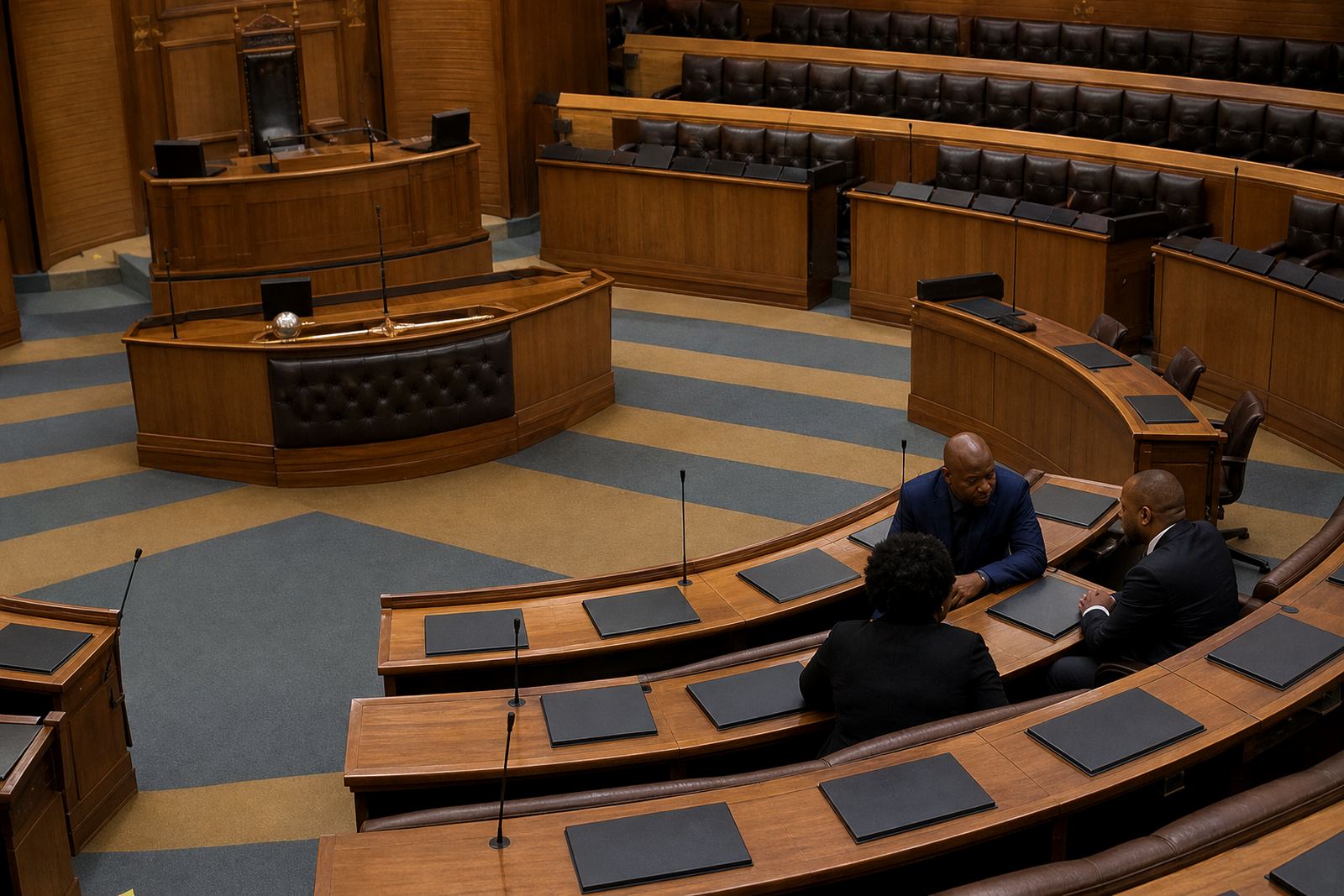
Public institutions do not become trustworthy by accident. Courts, legislatures, councils, electoral bodies, and public broadcasters all depend on citizens who ask clear questions and expect proper answers. A democracy without scrutiny becomes thin very quickly. People then stop believing that rules apply to everyone, and that is when resentment grows.
A practical civic habit is to ask three questions whenever a public issue comes up: Who is responsible, what rule applies, and where can the public check the record? Those questions work in South Africa, Kenya, Nigeria, Ghana and Zambia because they focus on structure rather than rumours. They also keep the conversation on institutions instead of personalities. That matters, because institutions outlast any one term of office.
A local lesson from Johannesburg to the wider region
Consider a neighbourhood meeting in Johannesburg about a recurring service problem. Some residents want answers, others want a protest, and a few say nothing will change. A more useful civic response would combine rights and duty: people document the issue, compare notes, ask for timelines, and follow up with the office responsible. If there is no reply, the record remains. If there is a reply, it can be tested against what was promised. That process is slower than shouting, but it leaves evidence.
The same approach travels well across African cities and towns. In Lagos, Accra, Lusaka, Nairobi or Pretoria, public membership works best when people are organised enough to notice patterns and patient enough to follow through. Citizenship is not about being agreeable. It is about being present, informed and prepared to act with care. That is how ordinary people keep public life from drifting into habit and neglect.
In the end, duty does not cancel rights, and rights do not excuse duty. A serious citizen understands both. That balance is what keeps democracy usable for the next person, not only for oneself.