Why language access is a democratic issue
When a notice is issued in only one language, the state or institution is not just choosing words, it is choosing who gets to understand. That affects access to services, participation in public meetings, legal rights and the simple ability to act on information before a deadline passes.
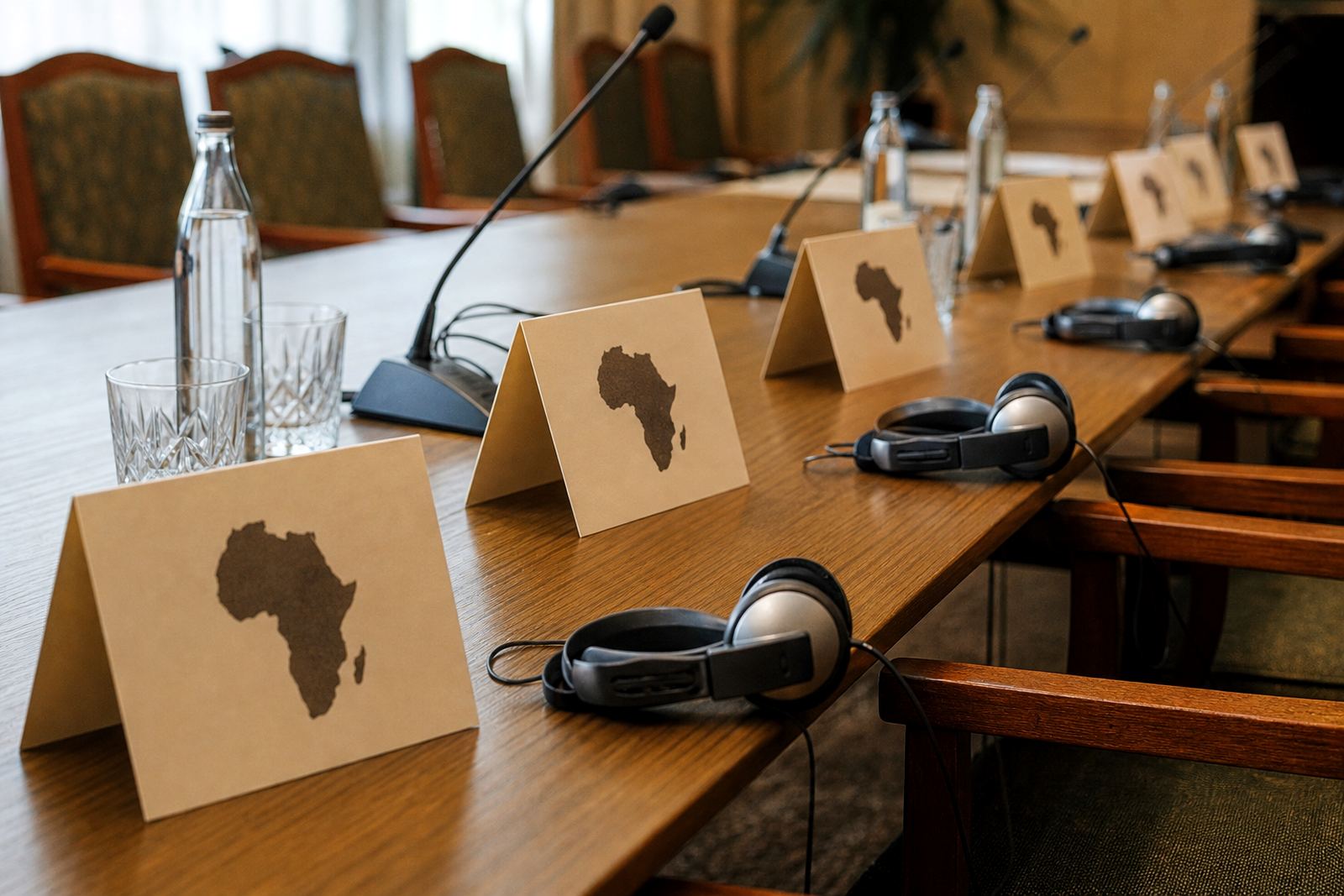
Across Africa, public life is multilingual by default. People move between home languages, school languages, official languages and the practical language of forms, radio, WhatsApp messages and community meetings. If public communication ignores that reality, it becomes narrower than the society it is meant to serve. A democracy that speaks to everyone in theory but only writes to a few in practice is leaving people out.
- Use language that people in the area actually use every day
- Do not assume literacy means comfort with technical wording
- Match the format to the message, not only the legal minimum
What usually goes wrong in public messaging
The most common problem is not bad intention, it is habit. Institutions often copy formal wording from one notice to the next, then add a translation that is too literal, too late or too difficult to read. The result is a message that looks complete but still fails to reach the people who need it.
Another issue is overloading one channel. A notice may appear on a noticeboard, yet many people rely on radio, local newspapers, community groups or a short voice note shared by trusted contacts. If the message is important, one channel is not enough. A form written in plain English may still fail if the explanation at a public meeting is rushed or only given in one language.
Good communication should answer the basic questions quickly: what is happening, who is affected, what action is required and by when. If those answers are buried under jargon, the message may be technically issued but practically useless.
- Avoid legal phrases unless they are needed
- Use shorter sentences for public notices
- Check that dates, places and reference numbers are easy to find
- Always test whether the message still makes sense after translation
A Johannesburg example, from Rosebank to the city edge
In Johannesburg, a city with shifting populations and many first languages, a municipal service message can be tested in a single morning. A resident in Soweto, a trader in the inner city and a commuter passing through Rosebank may all need the same information, but not in the same form. One person may prefer a written notice, another a short audio summary, another a community briefing at a ward meeting.
That is especially important where a notice deals with water interruptions, road works, clinic access, licensing, load-shedding related service delays or public hearings. If the communication arrives only in formal English, it may be legally sound but socially weak. A better approach is to pair the main notice with plain-language versions and local distribution points that people trust.
For example, a ward office could issue the same update in plain English and at least one widely used local language, then support it with a short spoken summary for community radio or shared voice notes. The point is not to translate every word perfectly, but to make sure residents can act on the information without guessing.
- Use local terms for places and landmarks where helpful
- Keep instructions brief and direct
- Put urgent actions at the top of the notice
- Use the same message across all channels so people do not receive mixed instructions
How institutions can communicate more fairly
Fair communication is a practice, not a slogan. Institutions can improve access by planning for language from the start, instead of treating it as a final step. That means budgeting for translation, setting review steps for plain language and making sure community-facing staff can explain a notice clearly.
It also means thinking beyond written text. Audio, captions, community meetings, posters and short explanatory summaries all serve different audiences. In many places, a two-minute spoken explanation may be more useful than a long document full of formal wording. Where people have limited data, unstable electricity or crowded living conditions, the simplest format often travels furthest.
Good practice is especially important for institutions that deal with rights, complaints, health, education or local services. If people cannot understand the message, they cannot make informed decisions, ask questions or hold anyone accountable.
- Write first in plain language, then translate
- Use glossaries for repeated civic terms
- Train staff to explain notices without changing the meaning
- Review whether older people, youth and migrants can all follow the message
Why publishers and podcasts should care too
The same principle applies to publishing and podcasting. If commentary on African politics only uses one formal register, it may reach a narrow audience and miss the people who are trying to understand how institutions affect daily life. Language access is not only about government notices. It also shapes public debate, especially when people are trying to follow elections, budgets, court decisions or regional developments.
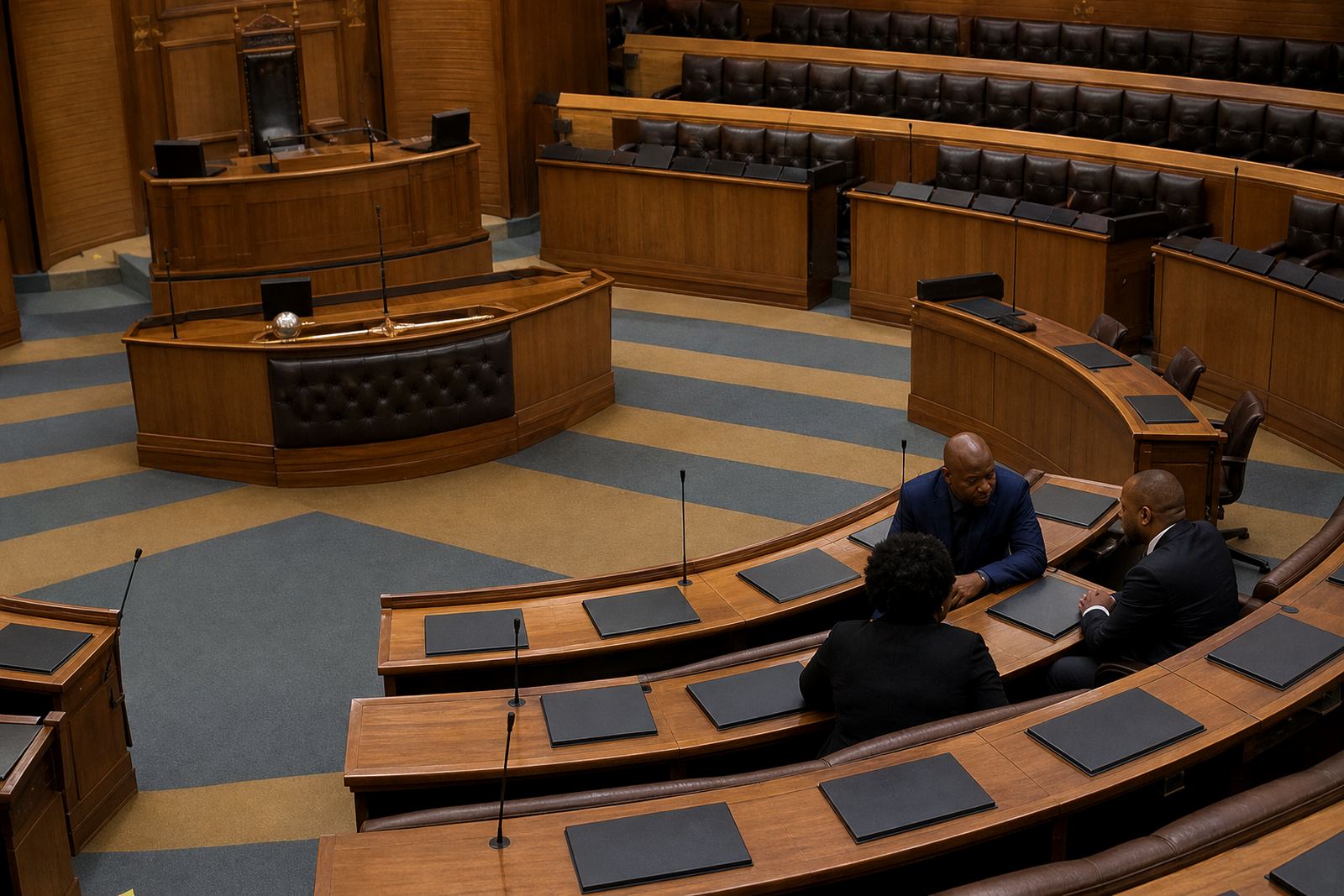
Editors and producers should ask whether an episode or essay explains institutions clearly, avoids unnecessary jargon and gives listeners enough context to follow the argument. A careful explanation of how a legislature works, what a constitution does or why local government matters can open up public life for people who are new to the subject. That is not dumbing things down, it is making democratic knowledge usable.
At Populism Africa Review, the value of clear language is practical. Commentary is strongest when it helps people think, compare and question. If the audience must fight through dense wording before reaching the point, the communication has already lost part of its purpose.
A simple checklist for inclusive public communication
Language access improves when teams follow a repeatable checklist. It can stay straightforward, but it should remain steady. Before any public message goes out, ask whether the people most likely to rely on it can understand it clearly.
- Is the main point clear in the first few lines?
- Have you used words that ordinary people know?
- Is the message available in the languages commonly used in the area?
- Have you checked names, places, times and contact routes carefully?
- Can the message be shared by radio, print, audio and community channels?
- Will people know exactly what to do after hearing or reading it?
That is the standard public communication should meet. Language opens doors when it helps people enter the conversation, not stand outside it.