Why the Young Measure Politics by the Month
For many younger citizens, politics is judged against rent due dates, job searches, data costs and the daily grind of getting around a city like Johannesburg or Lusaka. If a public service is slow, the experience is immediate. If a policy promise is vague, the disappointment is immediate too. That is why youth politics often sounds less patient than older civic language. It is not simply anger. It is a different way of counting time.
Older political traditions often assume that change arrives in stages: debate, election, law, implementation, review. Younger people, especially those trying to build a life under high unemployment or rising living costs, may not have the luxury of waiting through each stage. They see politics as something that should answer now, or at least explain clearly why it cannot. That expectation can be healthy. It can also lead to frustration when institutions are designed for delay.
Generational Time Is Not Just About Age
Political time is shaped by more than birthdays. A young person in Soweto, Nairobi or Accra who has just finished school may experience the state differently from a middle-aged shop owner or a retiree. The first person wants access, mobility and a future that feels open. The second may want stability, order and predictable rules. Both are valid, but they often hear the same speech in different ways.
This is where commentary matters. If we only speak about youth as a voting bloc, we miss the deeper point. Young people are not a single mood or a single ideology. They include students, informal traders, first-time workers, parents, and people looking after family members while trying to study or earn. Their political time is often compressed. They want a response to transport, housing, corruption, municipal failures and digital access in the same season, not in some distant five-year plan.
- Some want better public transport because commuting eats both money and hours.
- Some want clear entry into the labour market, not vague promises about opportunity.
- Some want public institutions to explain decisions in simple language, not administrative jargon.
- Some want political debate that treats them as citizens, not as a youth wing to be managed.
What Slow Institutions Teach and What They Hide
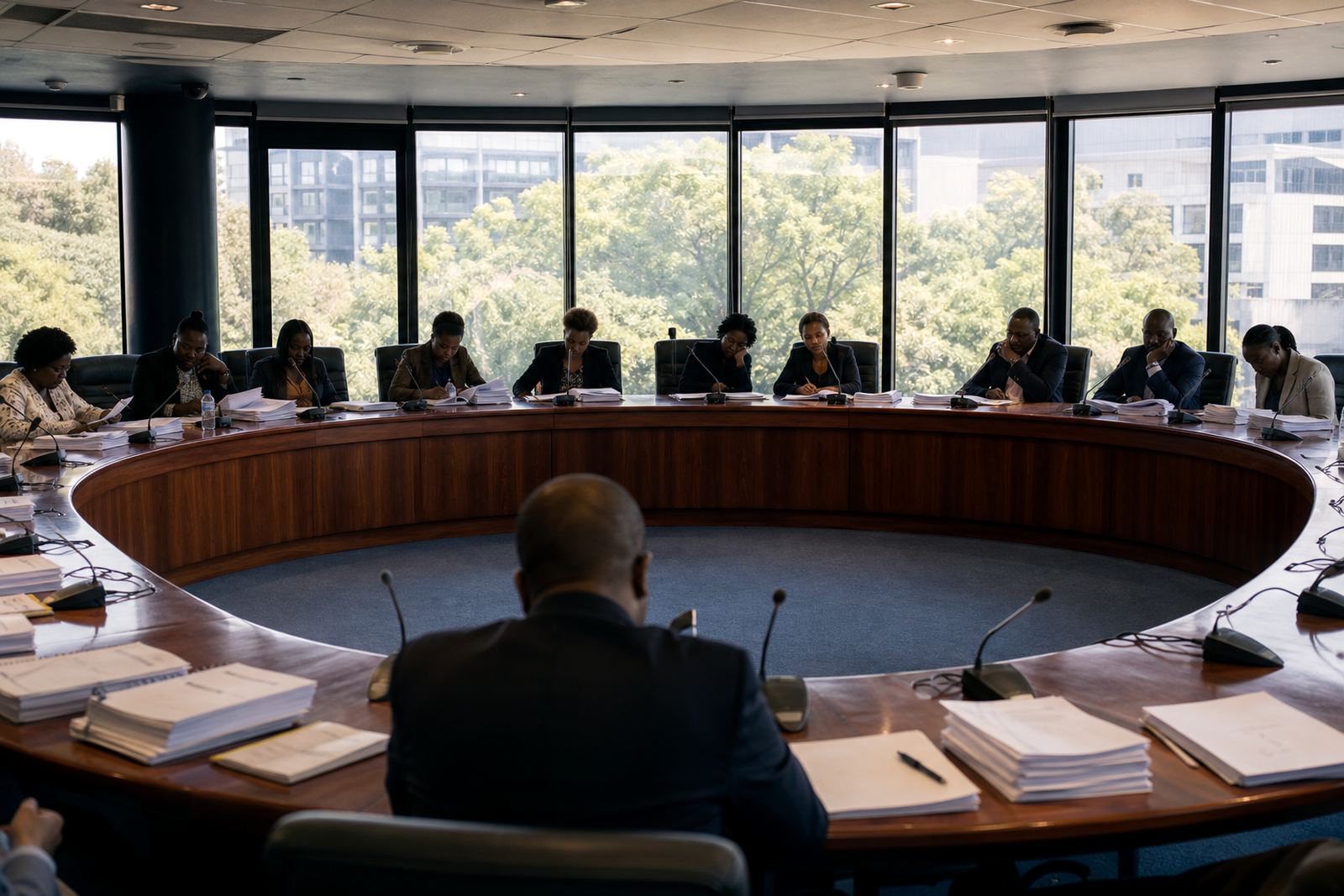
Institutions are meant to outlast the moods of the moment. That is their strength. A constitution, a parliament, a court system, a municipal office and a public broadcaster all serve different parts of the civic order. But slow institutions can also hide behind procedure when citizens need action. A file can move from office to office while a whole generation watches time run out on work, study and safety. That gap is where cynicism grows.
In South Africa, for example, a young person in Johannesburg may understand the difference between a policy announcement and actual service delivery by the time the taxi rank is crowded, the power is out, and the internet bundle is finished. The lesson is plain: political time is not only about elections. It is about whether institutions can meet people at the speed of daily life. If they cannot, they must at least communicate honestly about what is delaying them. Silence makes distrust worse, and it is often avoidable.
A Local Example: Youth Expectations in Greater Johannesburg
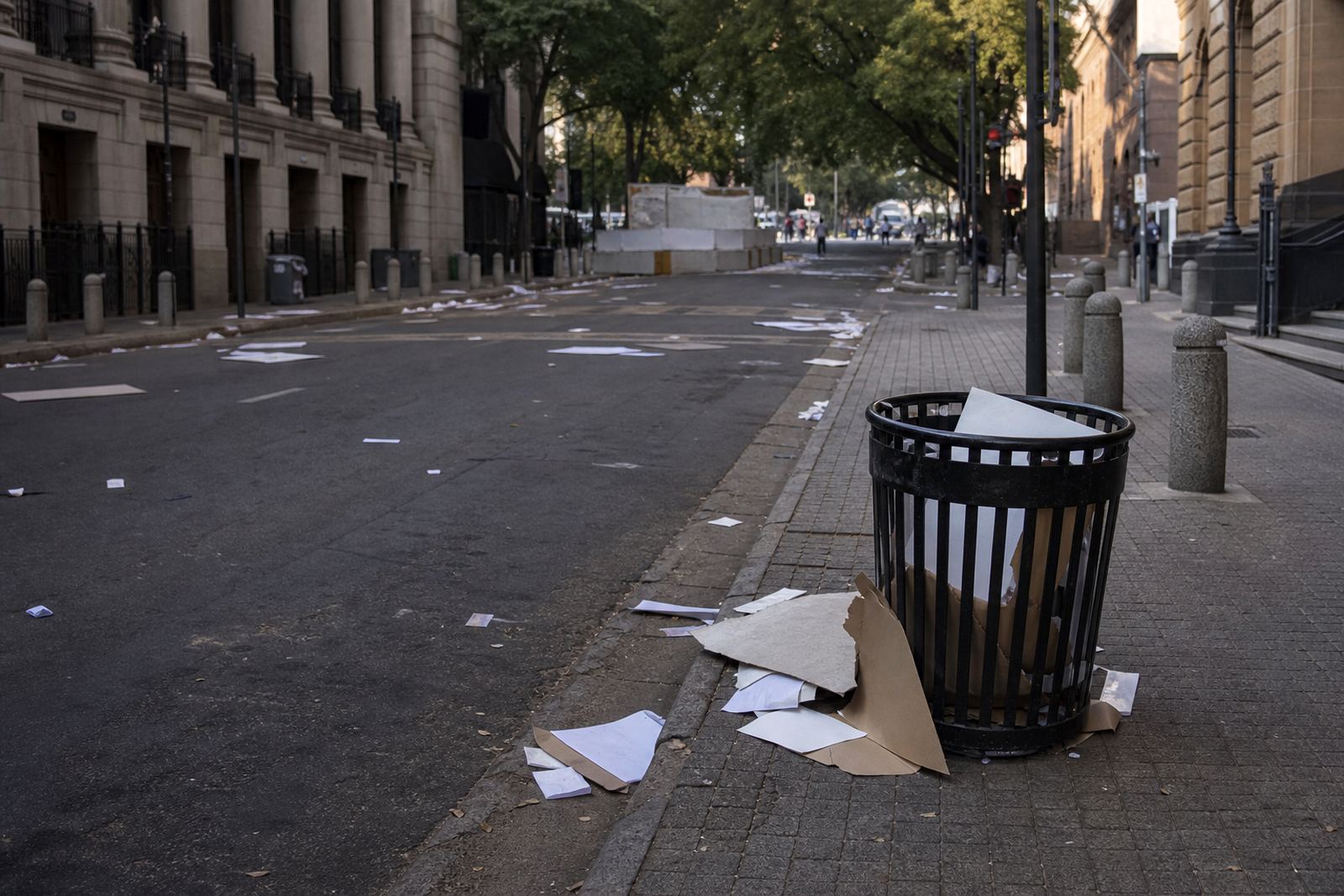
Consider a young graduate in Rosebank who is looking for work while helping family at home in Soweto. They follow political discussion online, but what matters most is whether the city runs cleanly, whether public transport is safe, and whether public spaces are usable after dark. For that person, a debate about institutions is not abstract. It is linked to how long it takes to travel, to apply for jobs, to attend a meeting, and to build a normal adult life.
In this setting, youth political time is practical time. It is measured in trips, queues, deadlines and data costs. A political message that ignores this will sound empty. A political analysis that understands it can do better. It can ask whether public budgets match social needs, whether civic education is clear enough, and whether decision-makers are speaking to citizens who live with load-shedding, transport delays and municipal uncertainty, all in one week.
- When discussing youth participation, start with everyday barriers, not slogans.
- Ask what a policy means for commuting, study time and household budgets.
- Look for clear timelines from public bodies, then check whether they are met.
- Support spaces where young people can argue, disagree and still stay engaged.
How to Read Politics Without Losing Patience
The answer is not for young citizens to become more patient in the abstract. It is for everyone to become more precise about time. A good political habit is to separate immediate need from long-term reform. Not every problem can be solved this week, but not every delay is acceptable either. The useful question is simple: what can be changed now, and what requires a longer path through law, budgeting and public administration?
Across Africa, that means paying attention to institutions as well as personalities. In South Africa, Kenya, Nigeria, Ghana and Zambia, the health of political life depends on whether people can see how decisions are made and how complaints are handled. Young citizens should be encouraged to study constitutions, local government, budgeting and media literacy. That is not a distraction from action. It is the groundwork for better action. And it helps prevent the false choice between outrage and apathy.
The political future will be shaped by those who can hold two ideas at once: that change must be fast enough to matter, and steady enough to last. Young people know this better than many assume. The challenge for institutions is to catch up with that sense of time, not to lecture it out of existence.
What Civic Actors Should Do Next
If commentators, educators and publishers want to speak honestly to younger audiences, they need to respect the speed at which life is lived. That means fewer empty abstractions and more explanation. It also means showing how laws, local councils, school systems and public services connect to real choices. When people understand the machinery, they can judge it fairly and push it harder.
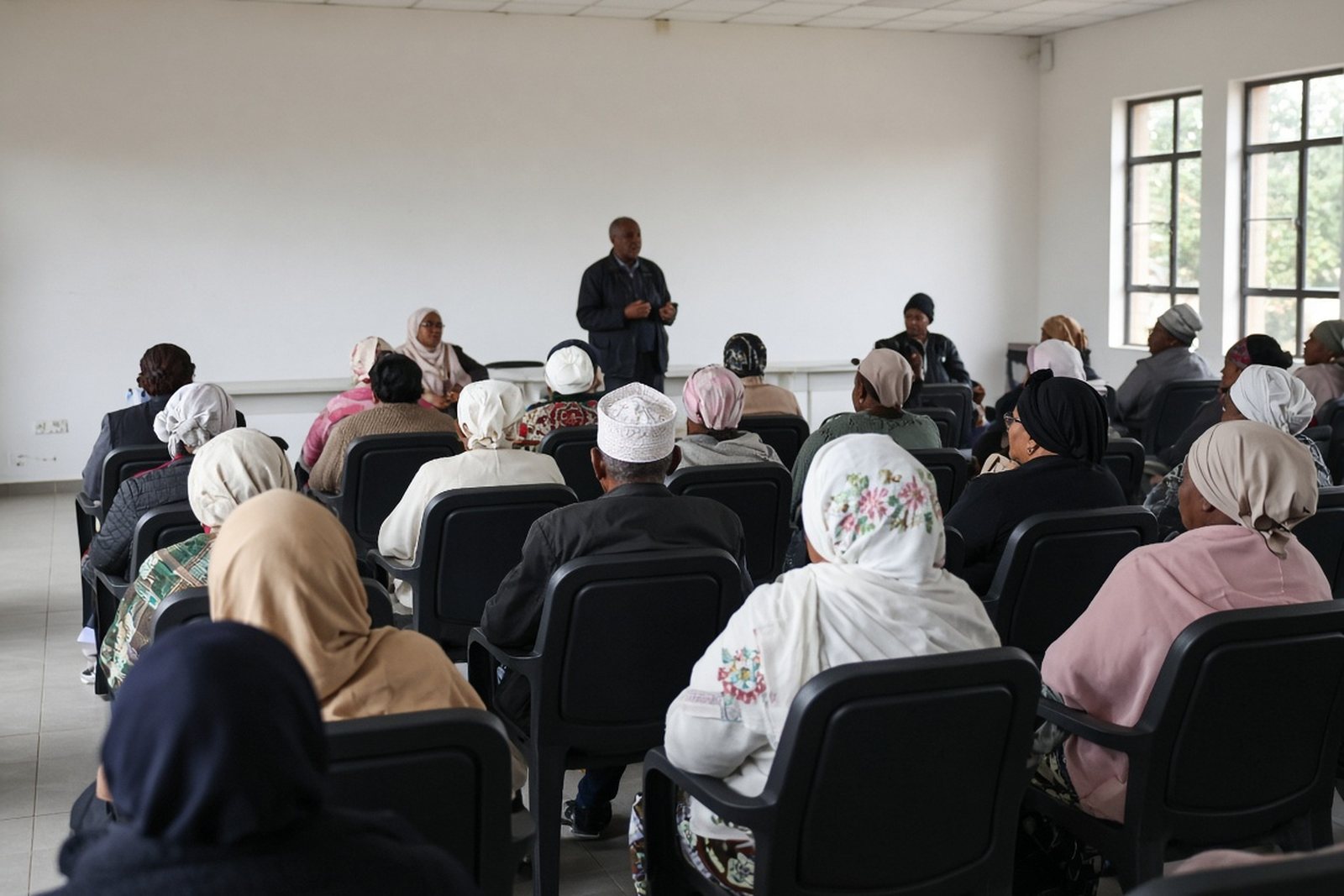
Useful civic practice starts small: ask better questions at public meetings, read a budget summary before sharing a political claim, and check whether a proposed reform changes the way a queue, a commute or an application works. These are not grand gestures, but they build political judgement. In the long run, political time is shared time. A country moves when its citizens can imagine the future without being asked to wait forever for the present to be fixed.