When the nearest office is still hours away
In a city, a public office can be a taxi ride away. In a rural district, the same errand may mean planning a full day around transport, weather and road conditions. That gap affects how people register births, apply for identity documents, report land disputes, collect grants or follow up on school matters. When distance is large, the state can feel less like a system and more like a visit.
This is why rural distance matters in political discussion. It shapes who gets heard, who stays connected to institutions, and who is left to depend on informal intermediaries. In some districts the issue is not only kilometres, but road quality, crossing points, clinic hours and the cost of travel. A person can live in one ward and still be effectively far from government. That is a practical reality, not a slogan.
Why geography changes political voice
People who live far from administrative centres often engage politics through local leaders, councillors, ward committees, church groups or community meetings. Those channels matter, but they can also narrow the kind of voice that reaches provincial or national level. If a hearing is held in town and transport is expensive, then participation becomes uneven. If notices are posted online only, many rural households will never see them.
- Travel costs can decide who attends public meetings.
- Poor network coverage can block access to notices and service updates.
- Language barriers can make official messages harder to use in everyday life.
- Long distances can delay complaints, repairs and follow up on service failures.
In political terms, distance does not erase citizenship, but it can thin out representation. The result is often a gap between formal rights and lived access. A rural resident may know exactly what should be provided, yet still spend weeks trying to get the correct form, signature or appointment. This is where institutions need to work harder, not the public.
From the reporting notes: The road between town and village
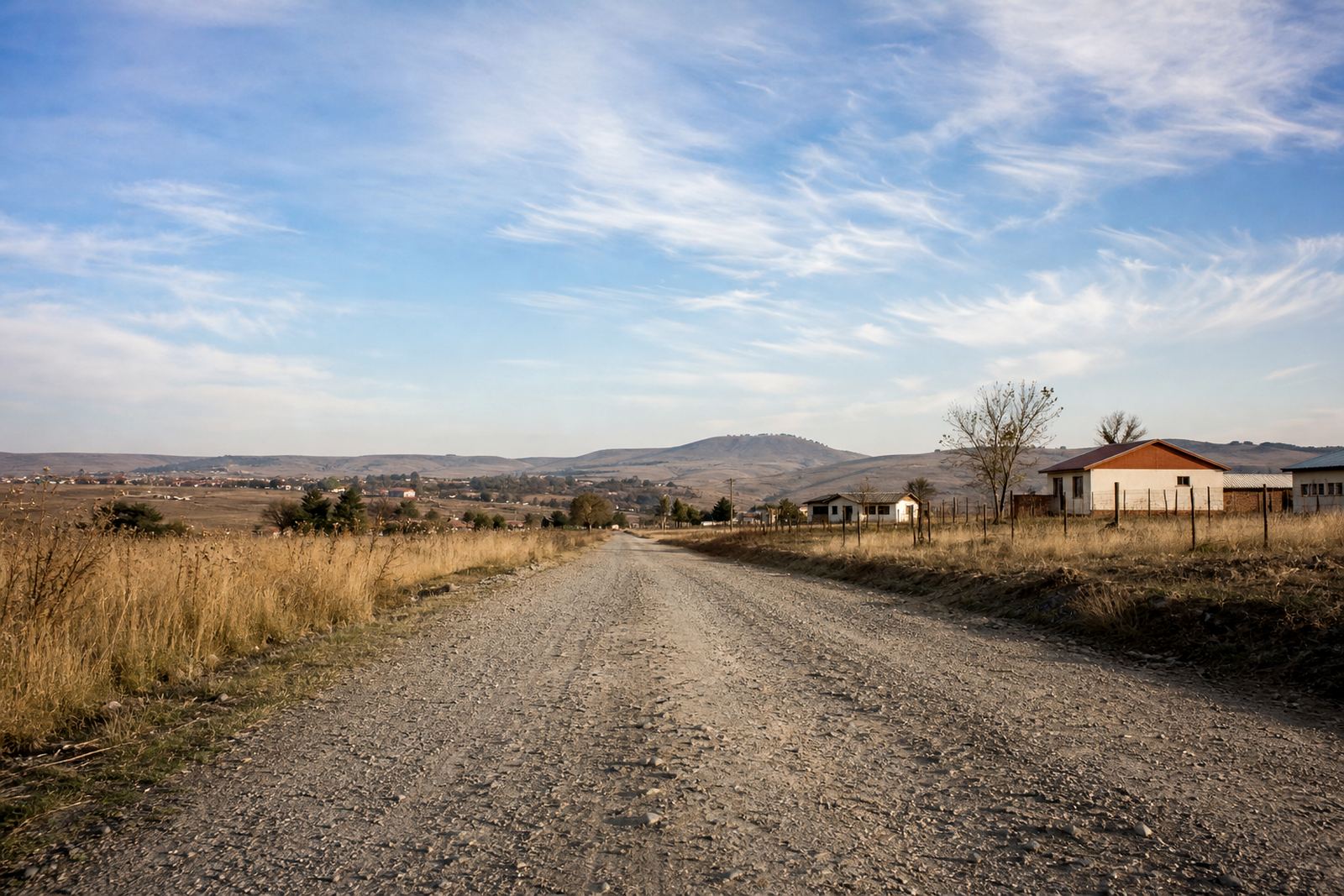
Think of a household outside a secondary town in Limpopo or the Eastern Cape, where the clinic is in one place, the school office in another, and the municipal counter is somewhere else again. A parent may need to combine a school issue with a pension query and a housing enquiry, but each office keeps different hours. If a taxi leaves early and returns late, the whole day can be lost. Add rain, poor gravel roads or load shedding affecting printing and queuing systems, and a simple task becomes a costly one.
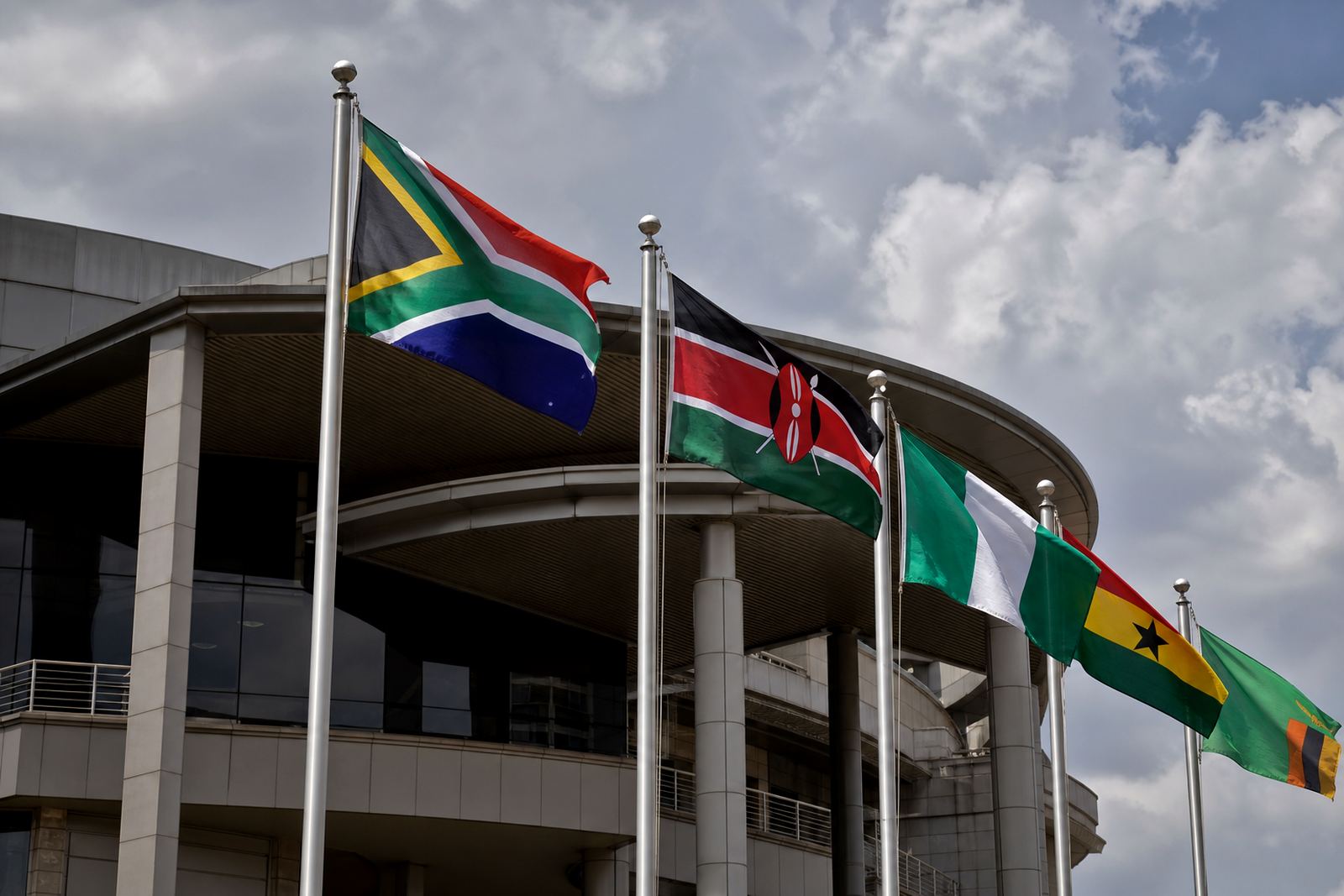
That example is common enough across South Africa to be recognisable, yet it is also seen in parts of Kenya, Nigeria, Ghana and Zambia. The pattern is similar even where the details differ. Rural distance turns public administration into logistics. It also changes how people talk about the state. When officials are rarely seen, residents may judge government by absence as much as by performance.
- Clear route maps to district offices reduce wasted travel.
- Mobile service days help, but they must be announced early and repeated in local channels.
- Long queues can be eased by staggered appointment times and better record keeping.
- Simple paper backups remain important where network coverage is unstable.
Representation means more than one election poster
Rural distance matters because representation is not only about voting. It is also about whether communities can shape budgets, raise concerns and receive feedback after decisions are made. A rural ward can vote at the same time as an urban one and still be served very differently afterwards. If officials consult only in district seats, the outlying settlements become an afterthought.
For civic organisations, publishers and podcast producers, this should change how stories are gathered. It is not enough to quote city voices about national life and then treat rural communities as one block. Good commentary asks where the nearest road ends, what the transport costs are, which office has authority, and how often a resident must travel to get a basic answer. That is not a side issue. It is the backbone of public life.
Practical reporting on distance should ask:
- Which office is actually responsible for the issue?
- How far must residents travel to reach it?
- What happens when transport is unavailable or unaffordable?
- Which local language channels carry official information?
What fairer service delivery looks like
A serious response to rural distance starts with design. Services need to be planned for the people furthest away, not only those near the capital. That means decentralised offices where possible, rotating outreach where needed, and fewer steps for basic transactions. It also means using local radio, community notice boards and ward structures properly, instead of assuming every resident has stable data, a smart phone or the time to travel twice.
In many places, better delivery will come from small changes rather than dramatic promises. More reliable opening times, simpler forms, clearer instructions and stronger archival systems can save families real money. When documents are lost and records are slow, the burden falls on the same households again and again. A fair system should reduce that burden, not pass it along.
For organisations working across South Africa and the wider continent, one practical rule stands out: if the furthest resident cannot use the service, the service is not complete yet. That is true for municipal offices, education support, health referrals and public information alike. The measure of presence is not a signboard on a main road. It is whether people can get the answer without making the journey twice.
Why this matters for public debate now
Rural distance is often treated as a technical planning issue, but it is also a question of dignity and political equality. When the centre is over-served and the margins are left to cope, the result is a quieter kind of exclusion. People may still be counted in official systems, yet remain hard to reach in practice. That gap shapes trust, turnout and how public institutions are judged.
If political commentary wants to stay honest, it must keep geography in view. Cities are not the whole country, and countries are not only capitals. Distance changes how power is felt. It changes how representation works. And it changes whether the state is present in a way that people can actually use.
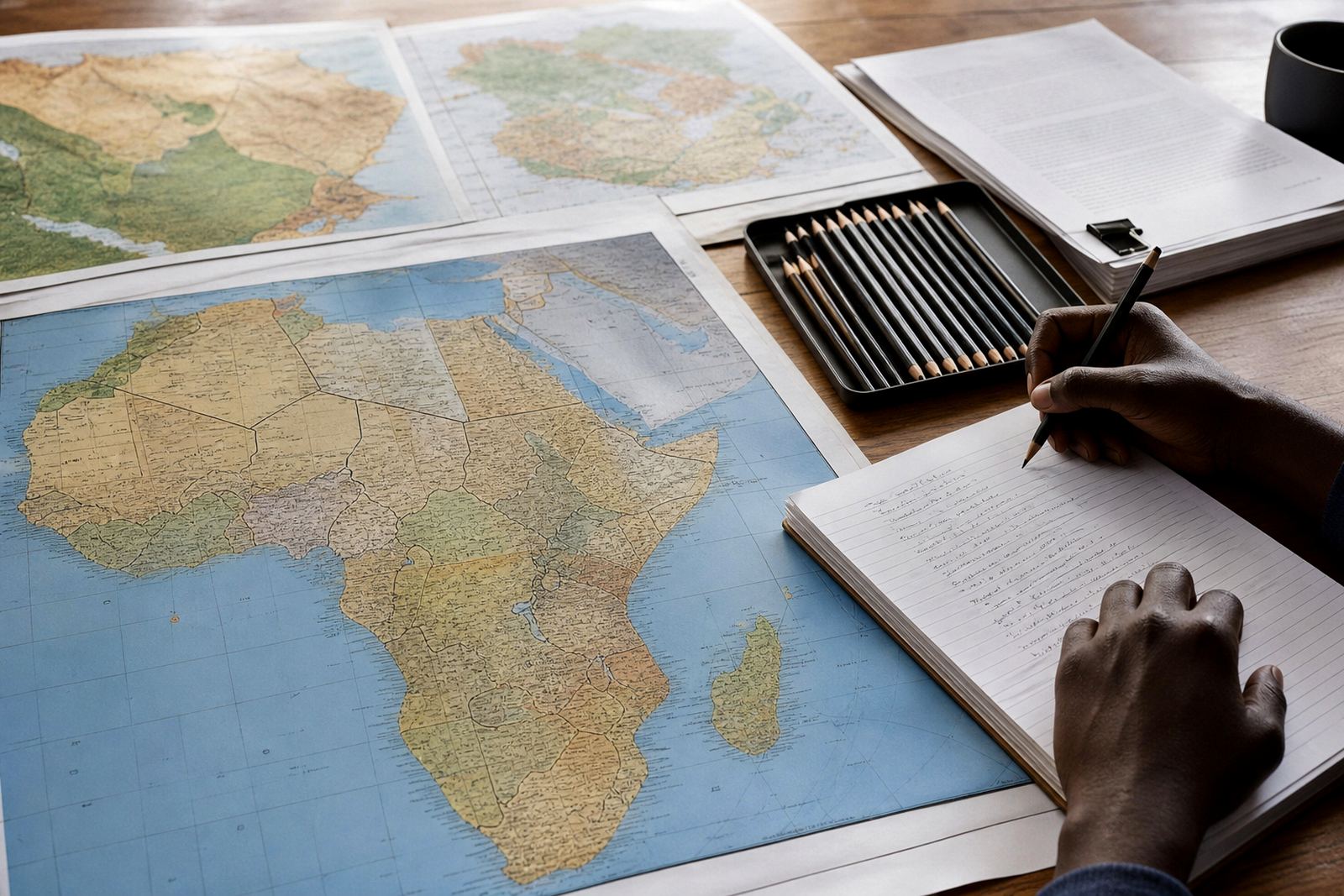
For anyone trying to understand politics across Africa, this is a basic starting point. Follow the road, not only the speech. Look at the hours, not only the promises. The map often tells the truth before the debate does.