Why memory becomes political
Every society keeps records of itself, but it does not keep them evenly. A statue in a square, a school name, a plaque on a building and a file in an archive all carry choices about what should be honoured, what should be explained and what should be forgotten. That is why memory becomes political even when people insist it is only historical.
In Africa, this question is especially sharp because many countries inherited state systems shaped by colonial rule, liberation struggle, one party dominance or repeated transitions. The result is that public memory often reflects power more clearly than it reflects shared experience. A memorial may comfort one group and unsettle another, and both reactions can be sincere.
The practical point is simple: if public memory is left to chance, it usually serves the loudest voice. Communities need clearer rules for deciding what stays, what moves and what gets explained in public spaces.
Monuments should explain, not only declare
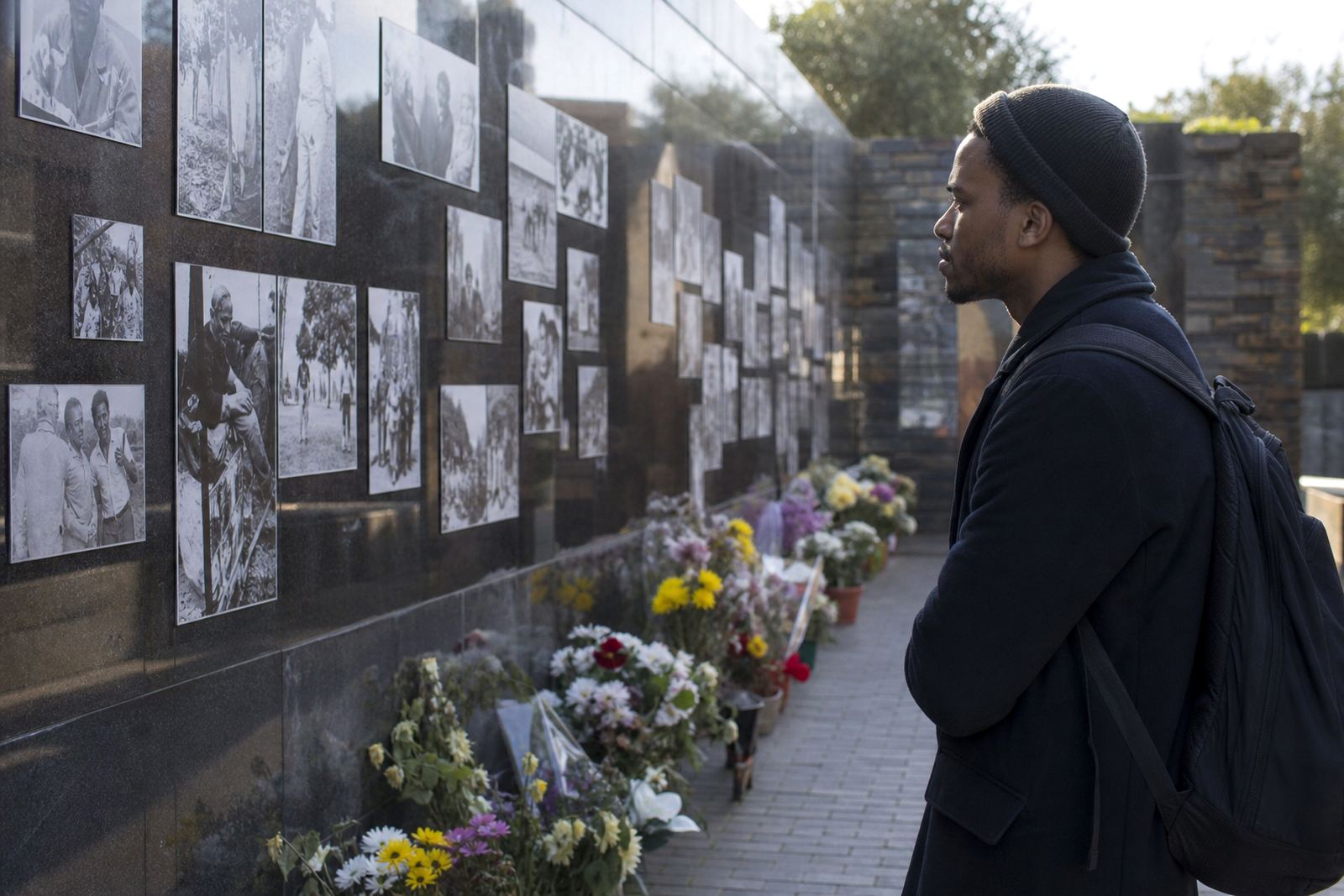
Monuments are often treated as fixed answers, yet they work better when they invite questions. A statue without context can turn into an argument about pride or insult, while a plaque, panel or nearby notice can show why the figure matters and why the same figure may also be disputed. That does not solve every disagreement, but it lowers the temperature.
Johannesburg offers a useful local example. In a city shaped by mining, migration and apartheid planning, public sites can be read in more than one way. A memorial in Rosebank or a civic building in the inner city may mean something different to a commuter from Soweto than to a visitor from Pretoria. If the city wants public spaces to be used by everyone, the story around the object matters as much as the object itself.
- Add plain-language context in more than one South African language where possible.
- Include dates, reasons for commemoration and the main disputes around the site.
- Review signage every few years, because public understanding changes over time.
Archives are public memory with rules
Archives are less visible than monuments, yet they are just as important. They hold cabinet papers, local council minutes, newspaper clippings, photographs, oral histories and records of civic life. Without them, public debate becomes guesswork. With them, citizens can ask better questions about how decisions were made and who had access to power.
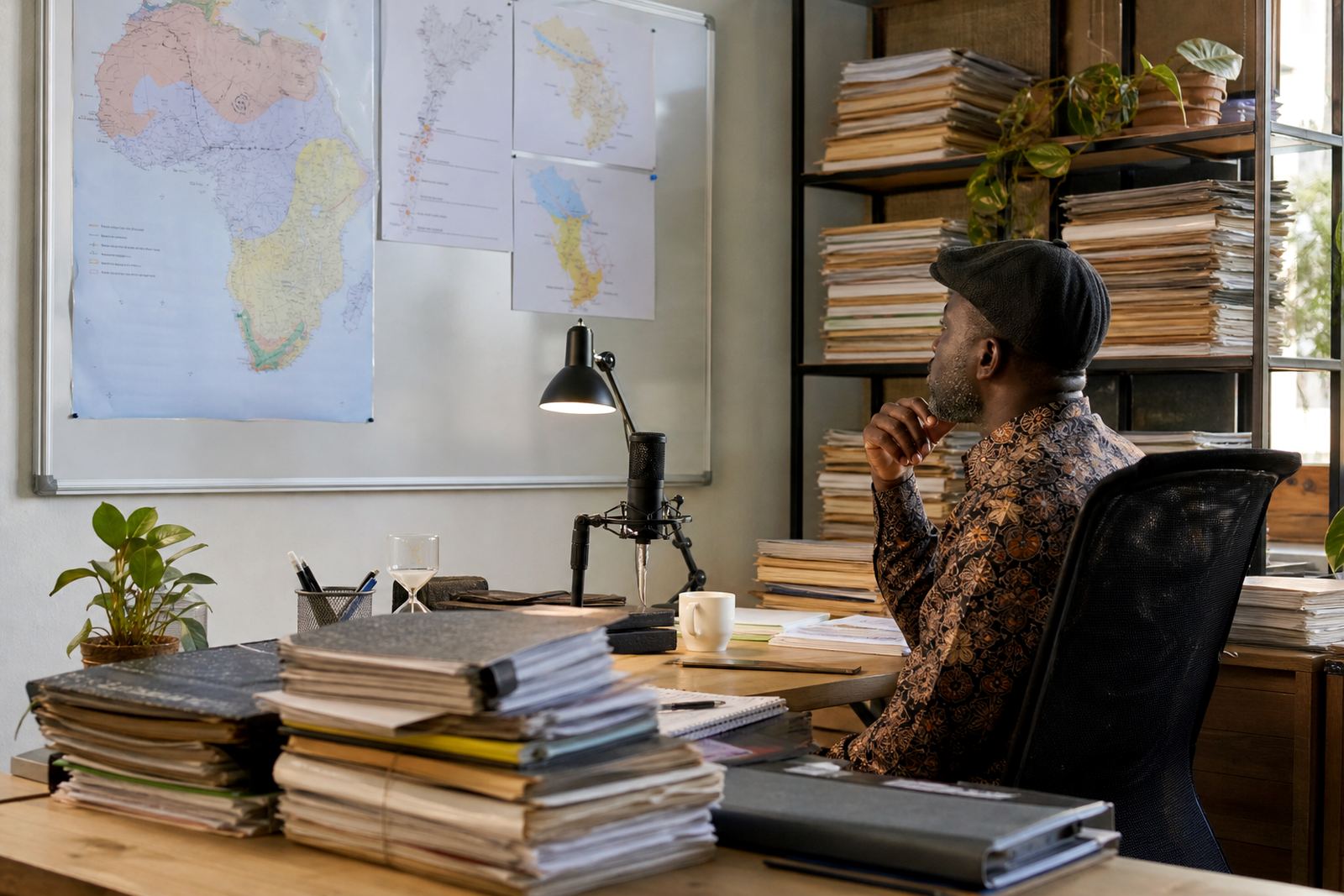
But archives are not neutral simply because they are stored in boxes. What gets collected, indexed and preserved can shape the whole historical record. In many places across the continent, the biggest problem is not only loss through neglect, but uneven preservation. Some voices are carefully filed; others survive only in private homes or community memory. This is why archive policy should be treated as public policy, not a side issue.
For a city like Johannesburg, where records are spread across institutions, universities and private collections, the test is practical: can a researcher, student or resident find the material they need without special favours? If not, the archive is serving the institution more than the public.
Competing memories need more than slogans
Public arguments about history often sound like a contest between loyalty and betrayal. That framing is too simple. Most contested memories involve at least three things at once: grief, pride and fear. A family may want a monument preserved because it marks sacrifice, while another family sees the same monument as a symbol of exclusion. Both experiences can be real.
A better response is to separate the object from the interpretation. Keep the evidence, keep the record, and allow multiple explanations to exist side by side where that is honest. Removal is sometimes justified, but it should be the end of a process, not the first reaction. Relocation, recontextualisation or commissioning a companion work can be more useful than pretending the past can simply be erased.
- Set out a public review process before a dispute becomes a crisis.
- Ask who is affected, who was left out and what evidence supports each claim.
- Use historians, archivists, educators and community groups together, not one group alone.
What newsrooms, schools and civic groups can do
Memory work should not be left to government alone. Newsrooms can help by explaining history clearly, not just reporting conflict. Schools can teach students how to read a monument, a photograph and a government file as different kinds of evidence. Civic groups can host forums where residents discuss local sites, names and records without turning every conversation into a showdown.
For podcasts and essays, the most useful approach is often the simplest: define the term, trace the history, show the institution involved and then ask what the public needs to know now. That is especially important in South Africa, Kenya, Nigeria, Ghana and Zambia, where many political debates are rooted in earlier struggles over land, authority, citizenship and state power.
Practical communication also matters. If a public body changes a name, moves a statue or opens an archive, it should explain why in language that ordinary people can follow. Silence creates rumours, and rumours quickly harden into mistrust.
A fair memory policy starts with honesty
The strongest public memory policy is not the one that keeps every object in place. It is the one that tells the truth about why an object is there, why people disagree about it and what the public has a right to know. That requires honesty about winners and losers in history, but also restraint. Not every dispute needs a dramatic gesture, and not every old symbol should be treated as sacred.
In practice, this means building habits: proper cataloguing, regular review of public sites, accessible archives, and educational notes that speak to people outside specialist circles. It also means accepting that memory changes. A city is not weaker because it revises its public stories. It is stronger when it can do so openly, with evidence and care.
Public life depends on shared facts, even when citizens disagree about meaning. The aim is not to force one memory on everyone, but to make room for memory that can be tested, questioned and understood.