Ideas Rarely Arrive In Their Original Form
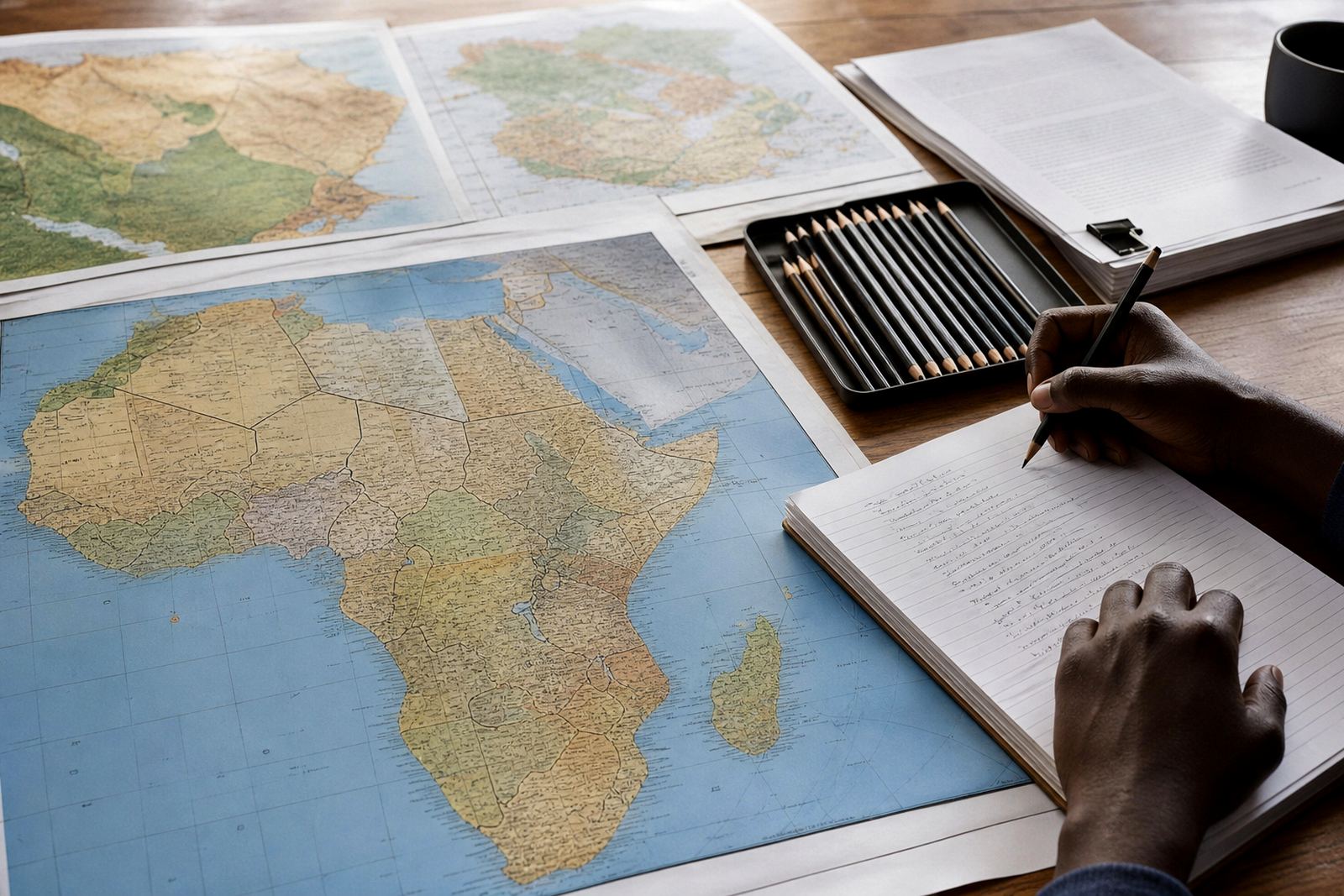
When a political idea travels, it seldom lands exactly where it started. A concept about land reform, federalism, civic duty or social justice may begin in one country, then be recast by writers, organisers or students in another. By the time it reaches a new audience, the language may be different, the priorities may shift and the local history will do some of the editing.
That is why political commentary needs patience. A slogan can sound familiar while carrying very different meaning in Johannesburg, Nairobi, Lagos, Accra or Lusaka. A serious listener asks not only what the idea says, but where it came from, who is using it and which problems it is trying to answer.
From Print Circles To Podcasts And Back Again
In earlier decades, political ideas moved through pamphlets, newspapers, trade union bulletins, church newsletters and student journals. Today they move faster through audio, articles, social media clips and forwarded messages. The form has changed, but the work remains the same: interpretation, translation and debate.
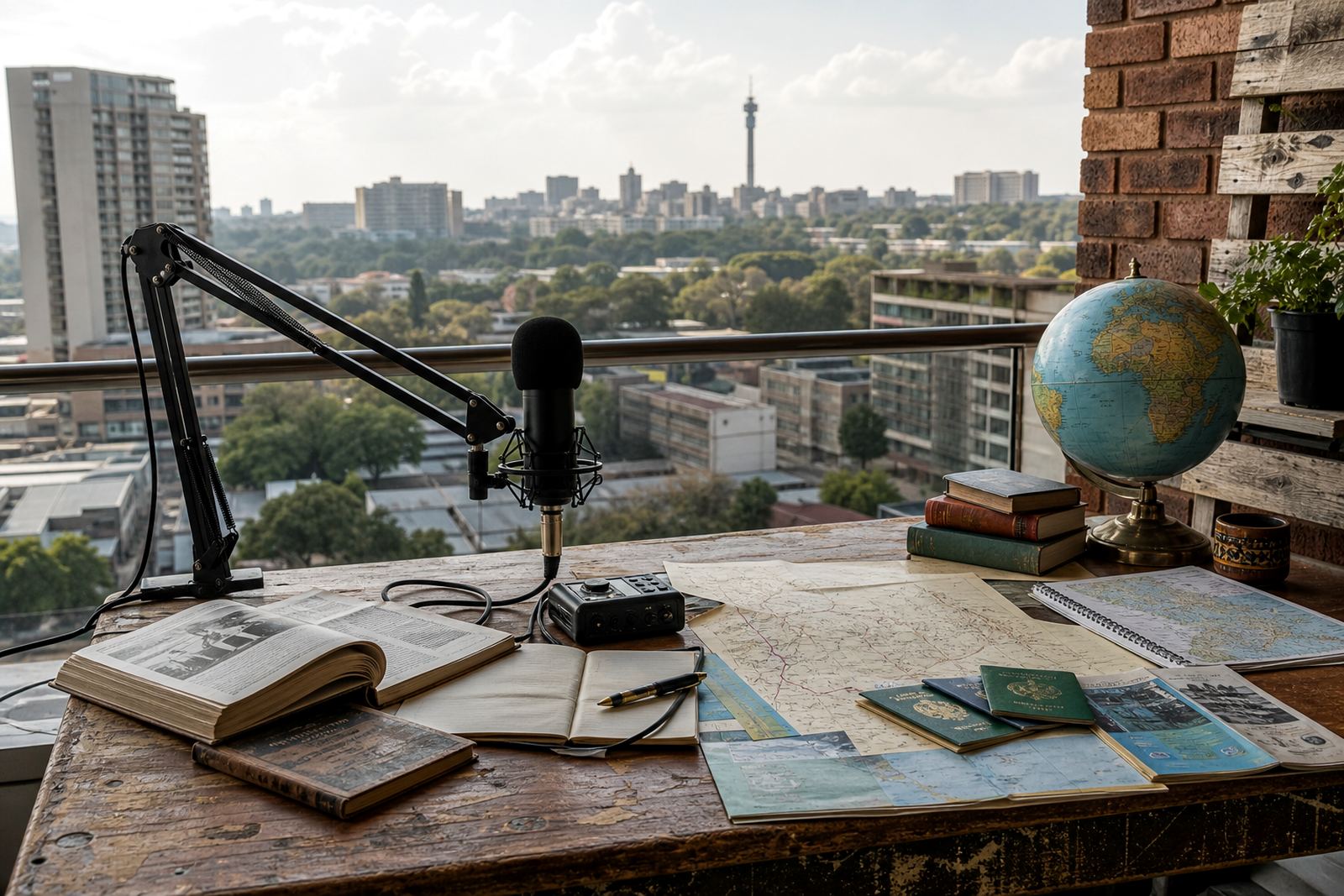
For a podcast and essay platform, the practical task is to slow the conversation down enough for people to follow the thread. That means naming terms clearly, separating fact from opinion and showing how one argument developed over time. It also means accepting that a listener in Pretoria may hear the same issue differently from a reader in Soweto or a policy worker in Rosebank.
- Use plain language before specialist terms.
- Explain the institution or law being discussed.
- Show the regional link instead of assuming it is obvious.
- Distinguish between an idea, a proposal and a policy already in force.
Why African Political History Keeps Reappearing
African political debate often circles back to familiar questions: who should hold power, how communities are represented, how resources are shared and what accountability should look like. These themes do not disappear because a new generation has arrived. They persist because the institutions meant to carry them are still under strain.
In South Africa, for example, a discussion about service delivery can quickly become a discussion about municipal capacity, ward representation and the gap between constitutional promise and everyday experience. In Kenya or Nigeria, the same broad argument may take different forms because of different electoral systems, local histories and state structures. The question is never only what is being said, but what system the idea is speaking to.
A Johannesburg Example: One Debate, Many Audiences
Take a common Johannesburg conversation about public transport, safety and economic access. One speaker may frame the issue around jobs and movement, another around policing, while a third focuses on urban planning. The idea traveling through that conversation is not just about trains or taxis. It becomes a wider argument about who gets to move through the city easily and who pays the cost of delay.
That is how political thought spreads. It enters through a practical complaint, then grows into a question about rights, governance and fairness. In a city like Johannesburg, where people commute from Soweto, the inner city, Pretoria and surrounding areas, the same issue can touch local government, provincial coordination and national policy all at once. Editorial work clarifies the layers, not just the noise.
- Start with the lived problem people recognise.
- Trace which institution is responsible for what.
- Ask whether the argument is about power, service or identity.
- Keep the local example tied to the larger African pattern.
What Good Editorial Work Should Do
Commentary is strongest when it helps a reader understand, not just react. That means checking claims against documents, naming uncertain points and explaining the difference between principle and practice. A useful essay does not tell people what to think. It gives them the tools to think more carefully.
For teams producing podcasts and written pieces, the discipline is practical as much as intellectual. Research must be verified, scripts must hold together and editing should remove loose claims before they go public. A listener should be able to hear the shape of the argument even on a busy weekday, when they are taking a taxi or dealing with load shedding at home and want clarity, not noise.
Keeping The Conversation Open Across Borders
Political ideas cross borders because people do. Students study abroad, journalists compare notes, activists follow one another's work and families maintain ties across countries. A conversation in Accra may inform a reader in Johannesburg, while a policy debate in Lusaka may help frame a question in Lagos. The circulation is natural, but it is not automatic. It needs careful editing and context.
The best public commentary respects difference. It recognises that Africa is not one political system, and that an argument useful in one place may need adaptation elsewhere. Open dialogue matters. It allows people to test assumptions, notice what has been borrowed and ask whether an idea still makes sense once it has crossed a border or a generation.
In the end, ideas travel well when they are handled with care. They need history, institutions, local example and honest language. Without that, they become slogans. With it, they become part of informed citizenship.