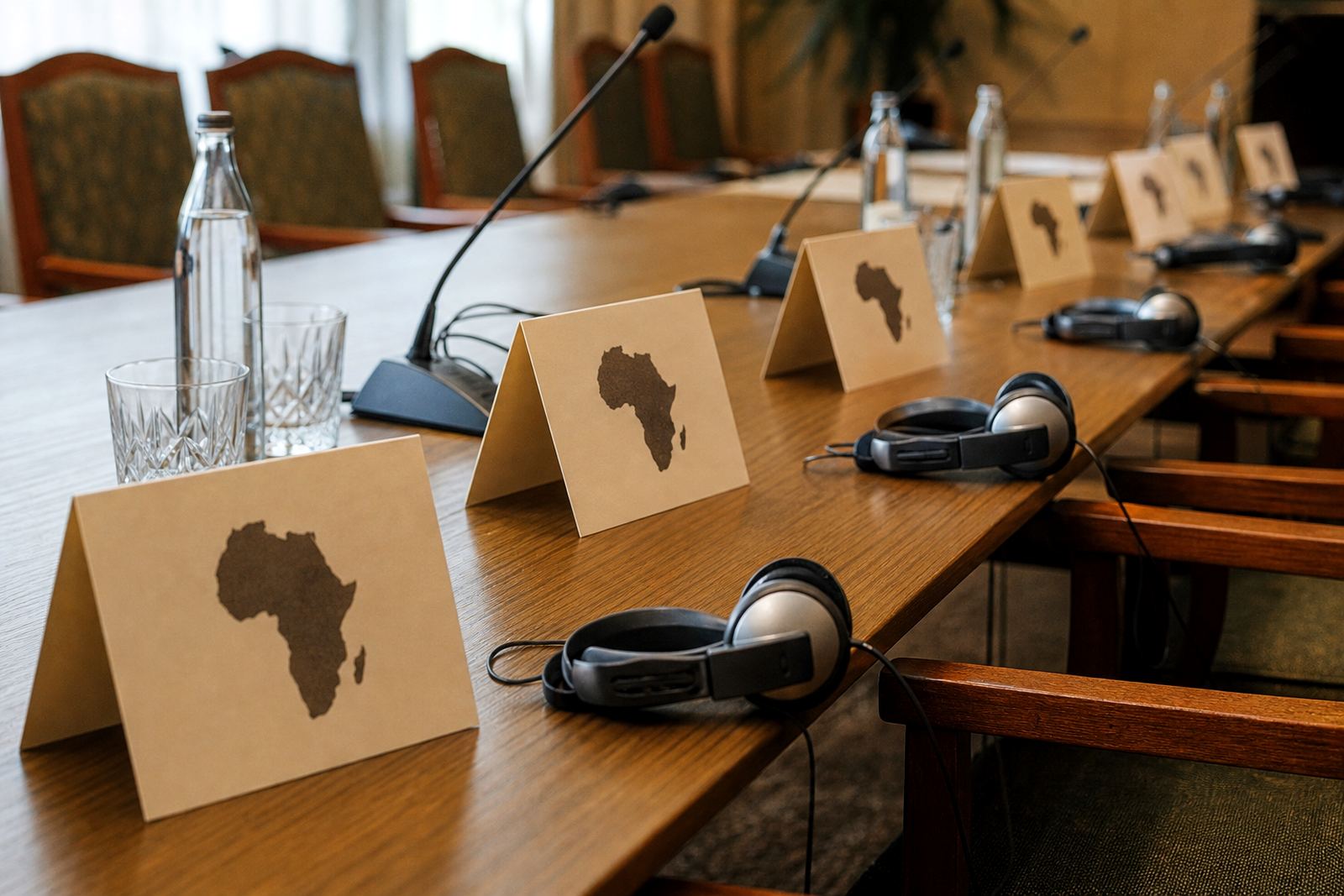
Why Regional Bodies Exist in the First Place
Regional organisations were created to deal with problems that are too large for one country to manage alone. Trade routes cross borders, rivers and power grids do not stop at customs posts, and conflict in one state can spill into its neighbours quickly. The basic idea is simple: when countries coordinate, they can reduce friction and share costs.
In southern, eastern and western Africa, these bodies often have three broad jobs. They set common rules, create forums for dialogue, and try to make it easier for people and goods to move. That sounds neat on paper, but the real test is whether governments actually follow through. Without that, the organisation becomes a meeting place rather than a tool for action.
What Regional Bodies Can Do Well
Some of the best work regional bodies do is quiet and technical. A customs protocol, a transport agreement or a shared health rule may not make headlines, yet these measures can lower costs and reduce delays for ordinary people. A trader moving stock from Johannesburg to Lusaka, for example, benefits when border procedures are clearer and predictable.
They can also help when states need a neutral setting to settle disputes or coordinate on security. Even when they do not solve every problem, they can slow things down enough for talks to happen. That pause can matter in a crisis.
- They can harmonise rules for goods, visas and transport permits.
- They can provide a platform for mediation when relations between states are strained.
- They can support shared planning on power, water, migration and public health.
- They can publish common standards that help businesses plan across borders.
Where the Promise Often Falls Short
The difficulty is enforcement. Regional bodies usually depend on member states to pay fees, implement decisions and respect collective rules. If a government delays, the organisation has limited ways to force compliance. That is why some good resolutions remain stuck on paper.
There is also a gap between the language of integration and the reality on the ground. A region may speak about free movement, yet travellers still face slow processing and inconsistent treatment at borders. A business may hear about easier trade, but still deal with paperwork from different agencies that do not talk to one another. The idea is sound, but the machinery is often clunky.
- Decisions can be slow because many states must agree.
- Budgets can be tight, which limits research and enforcement.
- National interests often override regional commitments.
- Public understanding is uneven, so people do not always see the point of the institution.
A Johannesburg Example of Regional Politics in Daily Life
From Rosebank, Johannesburg, regional politics can feel far away until you look at everyday movement across the continent. A manufacturer in Gauteng may source inputs from Zambia, sell into Botswana or import through a port linked to wider regional supply chains. When border systems are slow, the delay is felt in stock levels, transport costs and prices.
That is why regional bodies are not just abstract diplomacy. Their decisions can affect the time it takes for a truck to move, the rules for a professional working across borders and the paperwork needed for trade. In practical terms, a more orderly region can mean fewer interruptions for a company in Soweto or a publisher in Pretoria trying to work with partners across Africa.
The local lesson is that regional institutions matter most when they make ordinary administration less painful. People notice them when things go wrong, which is why steady implementation counts more than speeches.
How Citizens Should Judge Regional Institutions
It helps to ask a few plain questions whenever a regional organisation is discussed. What powers does it actually have? Who pays for it? Can it act quickly in a crisis, or does it mainly issue statements? These questions cut through slogans and show whether the body is doing practical work or just keeping a calendar of summits.
A useful way to make sense of African politics is to compare intention with outcome. If a body exists to promote trade, look at whether border procedures are improving. If it exists to support peace, look at whether it can bring parties to the table and keep them there. The point is not to expect miracles. It is to judge the institution by what it can realistically do.
- Look for clear mandates, not just broad language.
- Check whether member states implement agreed rules.
- Follow the money: funding shapes independence and capacity.
- Separate symbolic meetings from measurable administrative change.
The Practical Case for Better Regional Cooperation
Regional bodies are at their strongest when they solve boring problems well. That includes standards for transport, recognition of qualifications, health coordination and data sharing. These may not stir public emotion, but they make daily life easier and reduce waste across the system.
The limit is that regional cooperation cannot substitute for domestic governance. If a state cannot manage its ports, courts or customs office, a regional treaty will not fix everything. Still, the right regional framework can set a useful floor. It can keep neighbours talking, reduce misunderstandings and create a common language for reform. That is a modest goal, but an important one.
For Africa, the promise of regional bodies lies in steady cooperation, not dramatic rescue. Their purpose is to make cross-border life a bit more orderly, a bit more predictable and a bit less expensive. That may sound ordinary, yet ordinary improvements are often what citizens feel first.