Why old records still shape present arguments
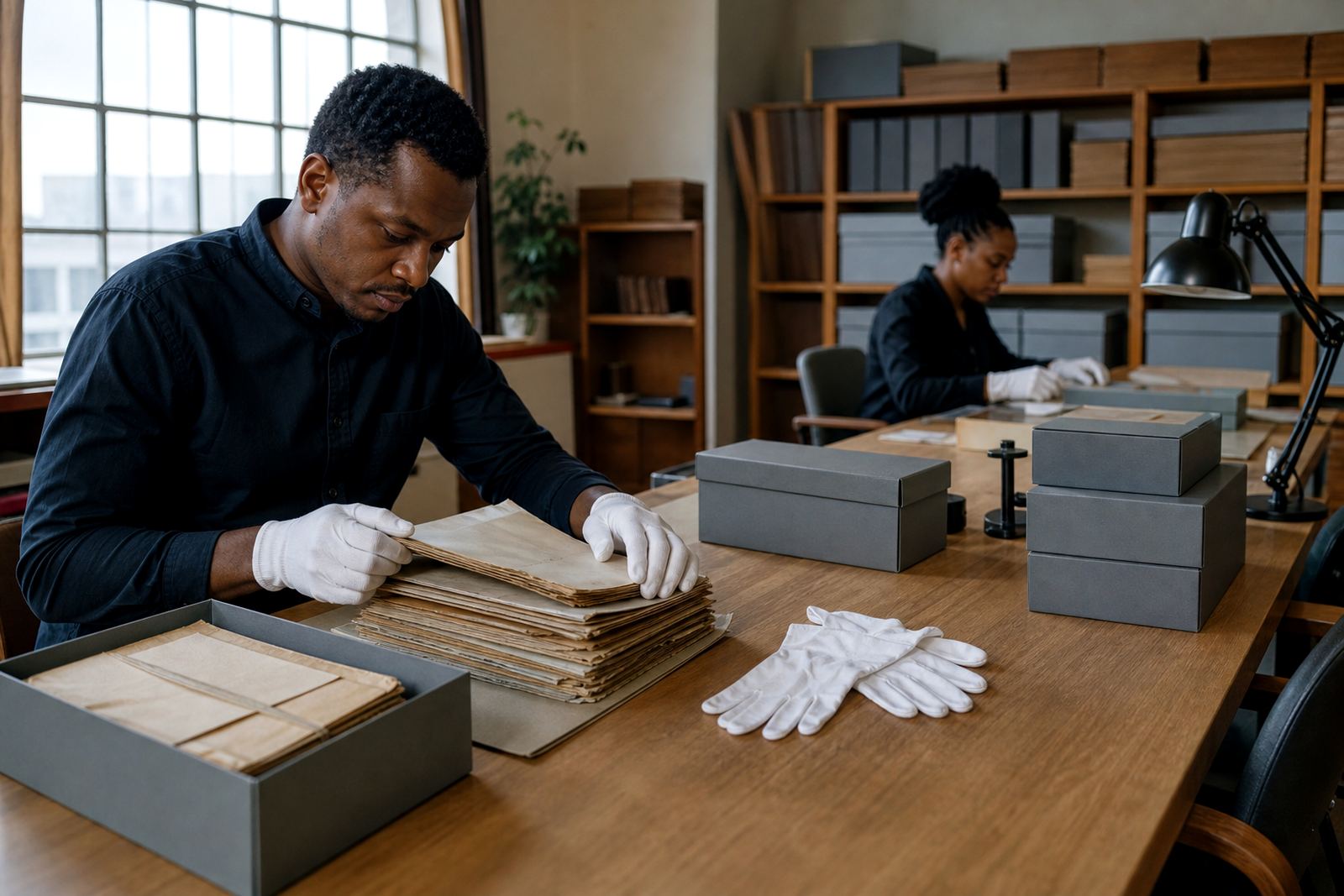
Political debate does not begin and end with the latest speech or the latest post. It is built on decisions made years ago, sometimes in cabinet minutes, parliamentary debates, court files, party records, newspapers and community notices. When a claim reaches backward in time, the archive is where a careful reader checks whether the story has been told fully or only in fragments.
This matters across the continent because the same event can be remembered differently by state institutions, political movements and ordinary residents. A land dispute in Gauteng, a constitutional reform in Zambia or a coalition breakdown in Kenya may all be discussed as if the meaning is obvious, yet the record often shows a slower, more complicated sequence. Archives do not answer every question, but they do force the argument to stand on dates, documents and context instead of memory alone.
What to look for before repeating a historical claim
Before repeating a claim about the past, it helps to ask a few practical questions. Who produced the document, when was it produced, and for what purpose? Was it a public record, a private memo, a speech draft or a later summary written by someone else? Even a genuine document can mislead if it is taken out of its original setting.
- Check the date first, then check whether the event in question had already changed by that time.
- Compare at least two records, such as a newspaper report and a formal notice, or a speech and a court filing.
- Note missing pages, unclear scans or later edits that may affect meaning.
- Distinguish between what the record says and what someone later says it means.
That approach sounds simple, but it changes the quality of the discussion. A claim that feels persuasive in a clip or caption can look very different once the source material is read in full. In political commentary, that difference is important because old material is often used to prove a present point.
The problem with treating memory as proof
Memory is not useless, but it is not the same as evidence. Families, parties, activists and state officials all remember events through their own experience, and those experiences are real. Still, memory can compress timelines, merge separate incidents or leave out awkward details. That is why archives matter: they slow the argument down and make room for verification.
In South African public life, for example, debates about past municipal promises, housing lists or protest responses often return years later. A resident in Soweto may remember one version of a ward meeting, while a municipal file shows another sequence of notices and objections. Neither side should be ignored, but a record helps to identify where the disagreement lies. Was the promise made, delayed, amended or never formally recorded? Those are different questions, and each one changes the answer.
For editors and producers, the lesson is practical. Do not treat an old photograph, clipped quotation or undated statement as the whole story. Ask what came before it and what followed after. That habit protects public debate from easy distortion.
How archives support better political commentary
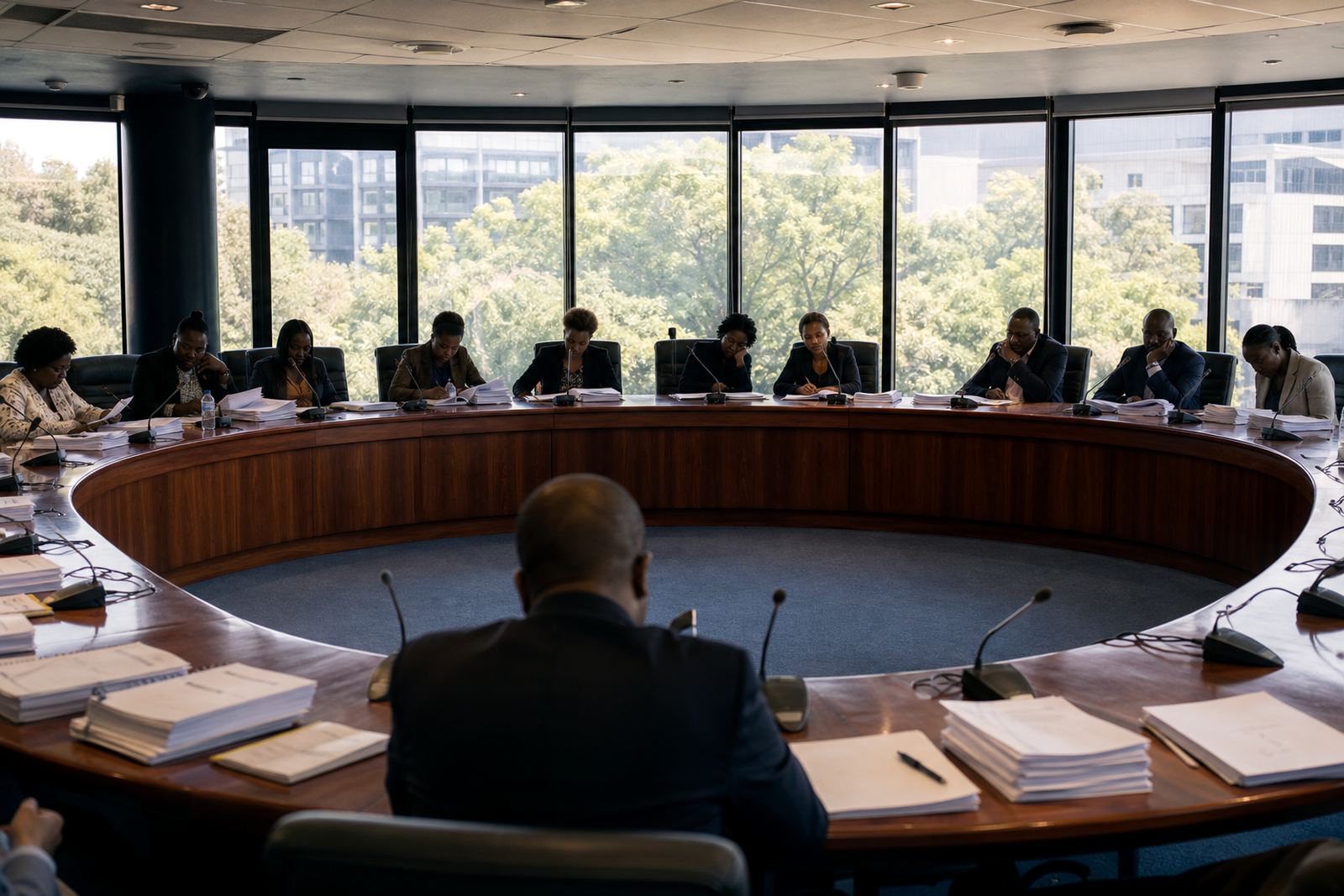
Commentary becomes stronger when it is built around traced sources rather than repetition. An archive can support a podcast episode, an essay or a long-form review by showing how a current debate sits inside a longer institutional history. This is especially useful in Africa, where constitutions, electoral systems and administrative boundaries have changed in ways that affect how power is understood.
Useful archive material for commentary may include:
- Parliamentary debates and committee records.
- Court judgments and filed affidavits.
- Municipal notices, policy papers and gazetted regulations.
- Newspaper archives and broadcaster transcripts.
- Party documents, campaign material and public speeches.
These sources are not only for scholars. A podcast team in Rosebank or a reader in Accra can use them to track how a policy first appeared, how it was revised and where public disagreement began. The point is not to bury the argument under paper. The point is to make the argument harder to distort.
A Johannesburg example: tracing a claim through records
Consider a simple local example. Suppose a discussion arises in Johannesburg about whether a public service commitment made years ago was ever formally adopted. The first reaction might be to rely on a social media clip or on what someone recalls from a meeting. A better approach is to compare the original notice, the meeting minutes, any follow-up circular and the later public response. In many cases, the record shows that the promise was conditional, delayed or altered by budget limits or administrative process.
That kind of checking is not glamorous, but it is useful. It protects residents from being told that a proposal was definite when it was only exploratory. It also protects institutions from being accused of silence when the file shows a different sequence. In a city as politically active as Johannesburg, where public memory is strong and local debate can move fast, the archive gives everyone a steadier footing.
Journalists and commentators need that discipline. It also helps to ask for the source before accepting the summary.
How To Check The Record
Archives matter most when they are used with care. A source on its own does not prove a case, and one missing file does not end the enquiry. Good political reading means following the trail, checking dates and keeping an open mind when the record complicates the story. That is especially true where institutions are young, transitions have been frequent and public trust is contested.
If you want a practical habit, start small. Save the original article, note the date, keep the speech transcript and compare it with the later response. Over time, that method builds a personal archive of your own. It also makes it easier to see when a political claim depends on selective memory rather than documented history.
In the end, archives do more than preserve the past. They help the public argue with more care in the present, and that is worth protecting.