


Start with the country, then move to the city
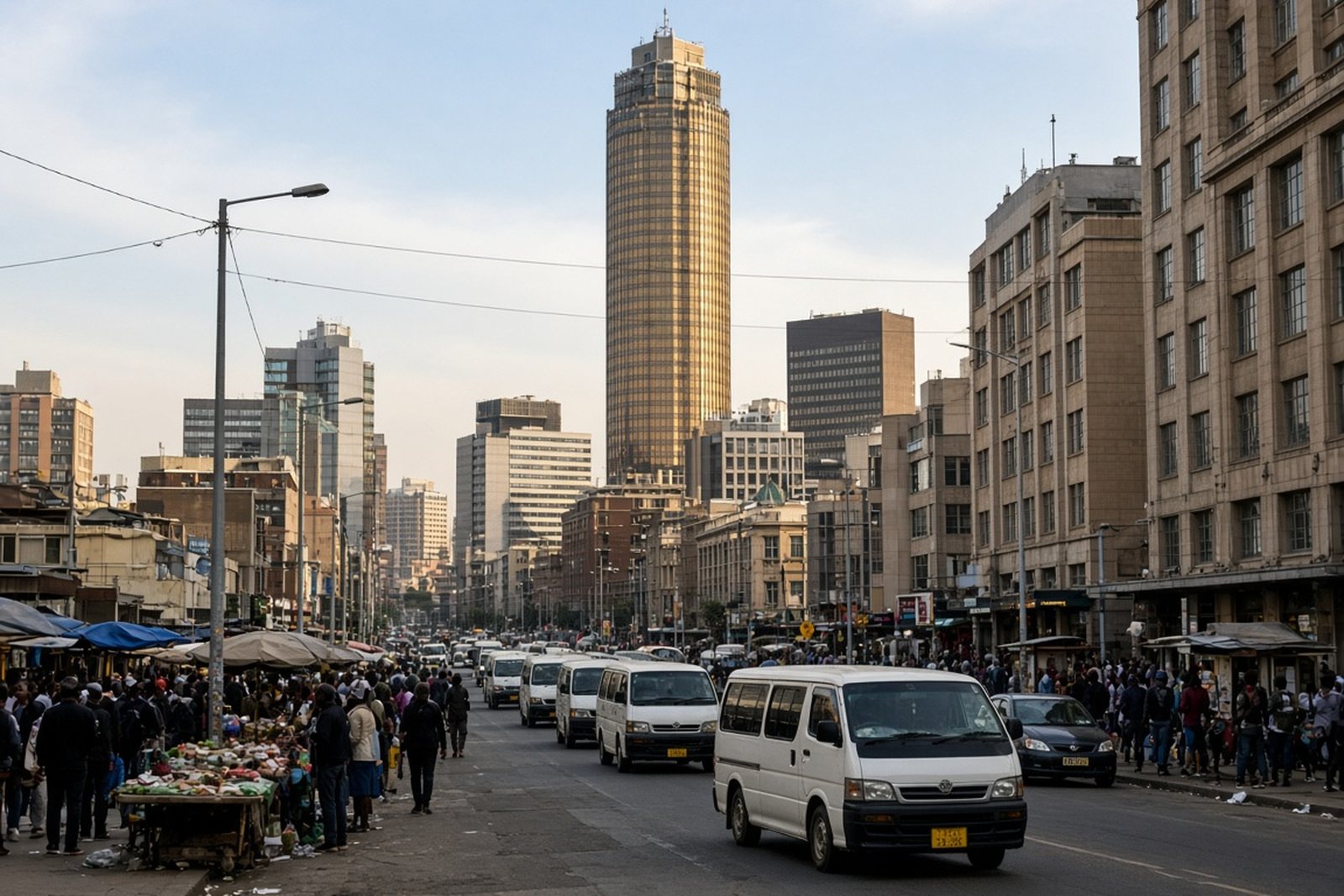
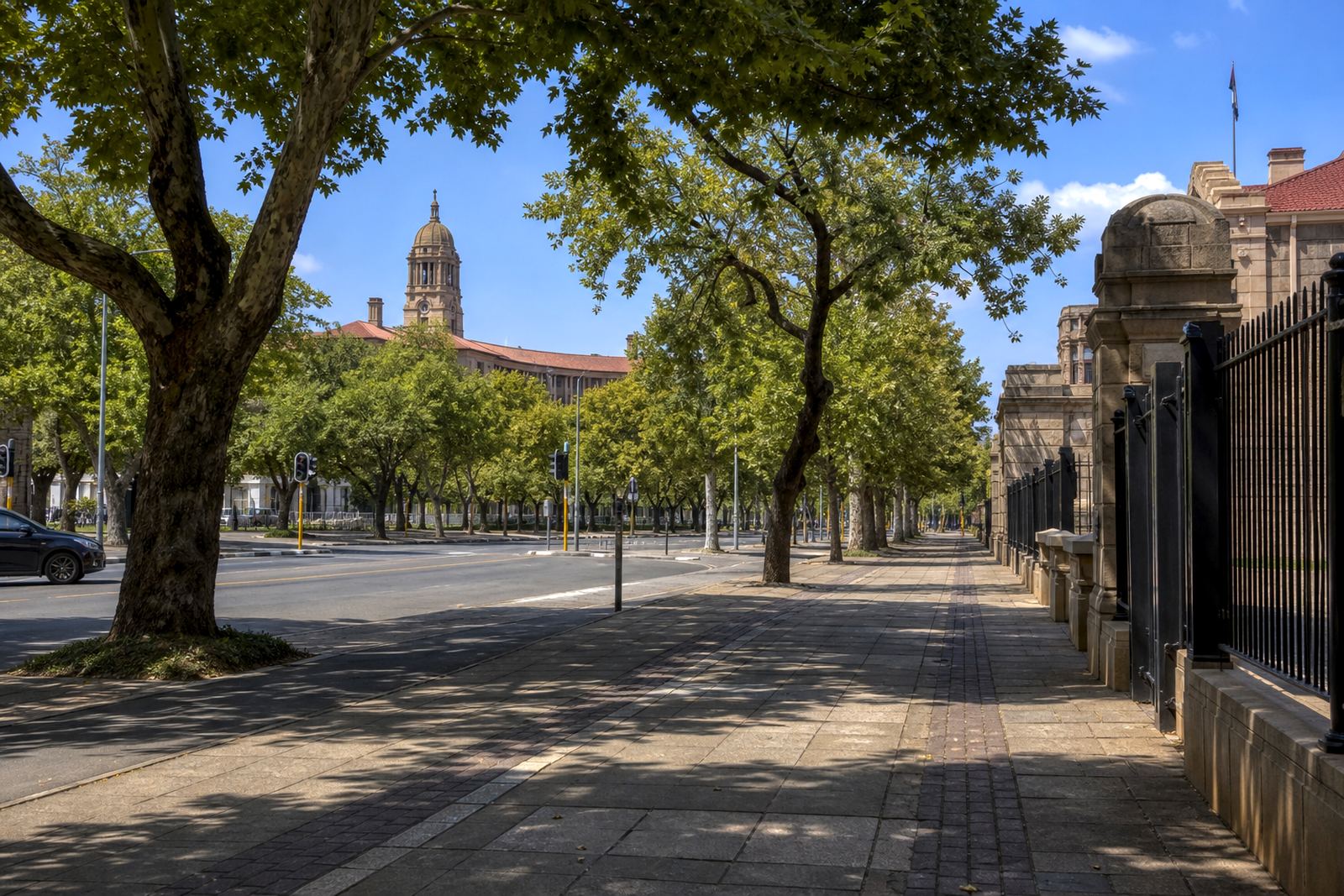
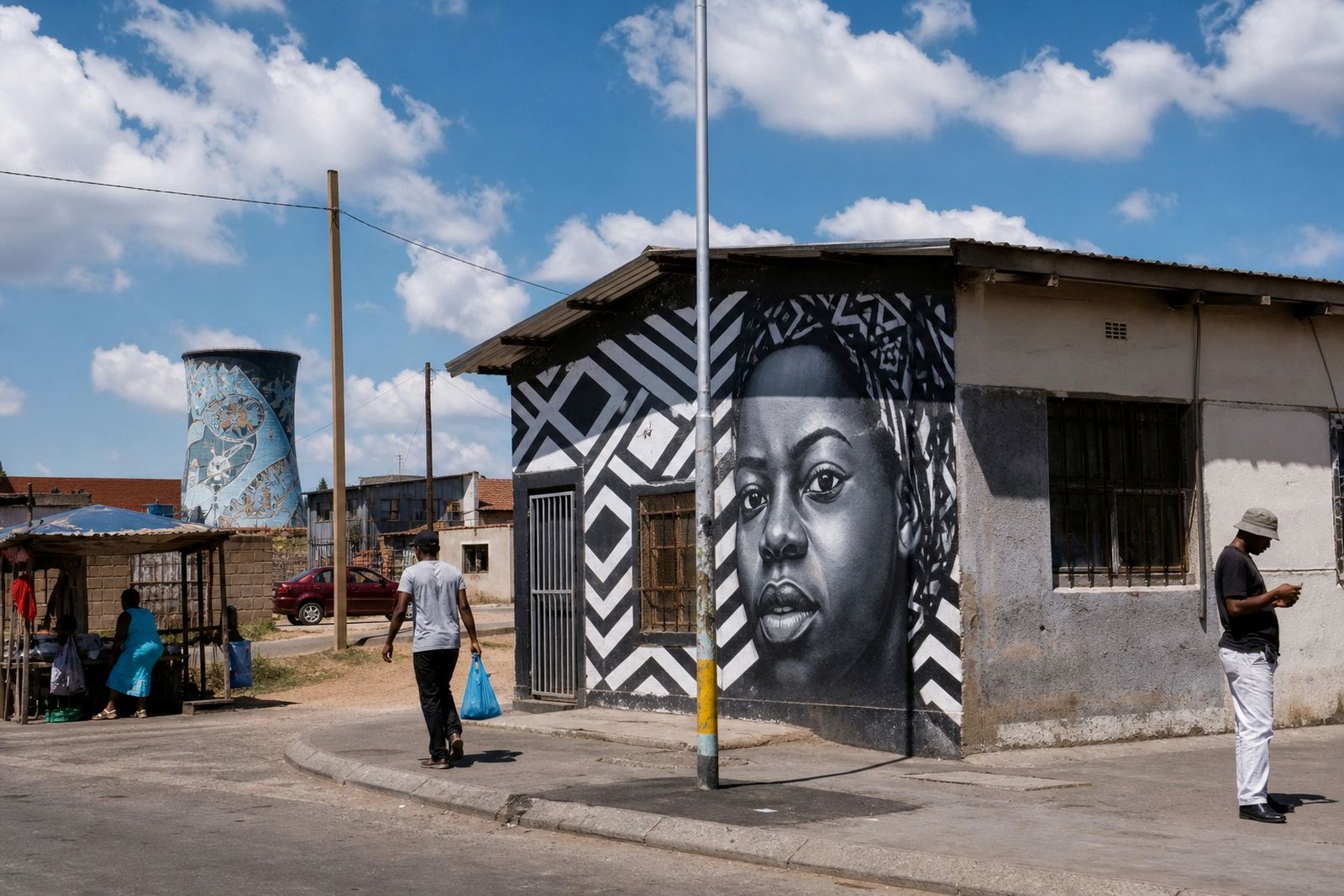
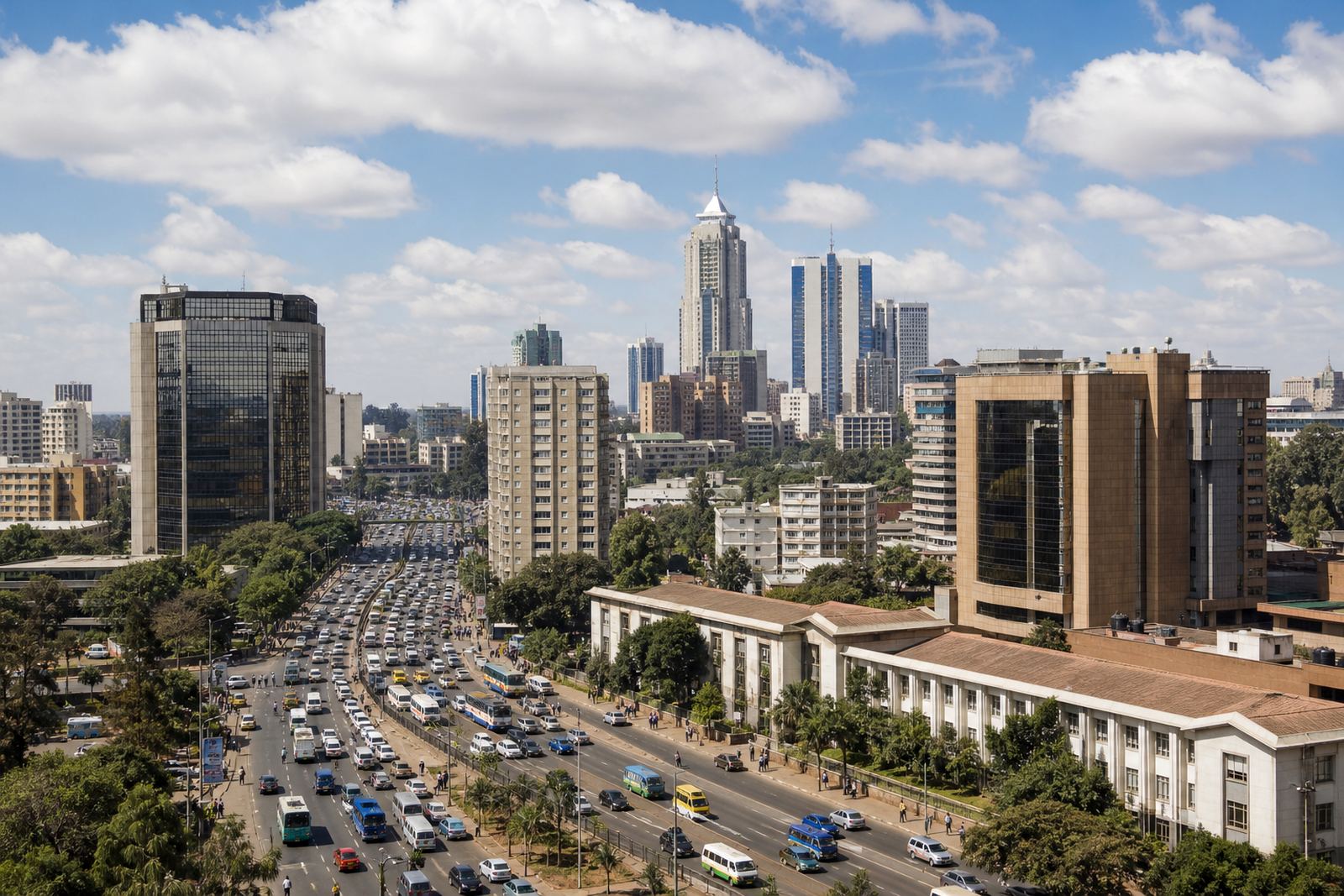
Each coverage page is organised to help you read politics at two levels at once. The country view gives the larger constitutional, electoral and policy picture, while the city context adds the practical detail that shapes how politics is experienced on the ground in places such as Johannesburg, Pretoria, Soweto, Nairobi, Lagos, Accra and Lusaka.
If you are new to a country, begin with the national page. If you already know the basics and want to understand how state power, local government and public services work in practice, move to the city page next. That way you can compare formal institutions with everyday governance and see how the same political idea can play out differently in each setting.
South Africa coverage from Gauteng and beyond
Our South Africa material starts with the national framework, then links it to Gauteng, where government offices, business networks, transport pressure and municipal service delivery shape much of the public conversation. Johannesburg and Pretoria often show different sides of the same issue, from party competition and coalition talk to administration, accountability and policy implementation.
- Use the South Africa pages for constitutional questions, national policy and electoral context.
- Use Johannesburg and Soweto pages for urban governance, service delivery and community politics.
- Use Pretoria pages when you want the view from administration, regulation and national institutions.
National leadership and local pressures often shape each other, and that relationship is often where political debate becomes clearest.
East and West African comparisons that stay grounded
Kenya, Nigeria and Ghana can be compared without forcing one country into another country’s pattern. Kenya often raises questions about devolution, coalition politics and the balance between national and county power. Nigeria brings federalism, regional diversity and the pressures of governing a very large and complex state. Ghana offers a useful reference point for constitutional continuity, competitive politics and public expectations around accountability.
Political institutions developed in particular ways, and history still influences present-day choices, sometimes in ways that are not obvious at first glance.
Zambia and the Southern African context
Zambia coverage sits naturally within the wider Southern African conversation, especially where questions of executive authority, public finance, opposition organisation and civic debate come up. Lusaka is an important city lens because it concentrates government, media and political activity, while also showing how national debate is received by residents, workers and students.
When you read Zambia alongside South Africa and neighbouring regional coverage, common themes become easier to trace: the role of institutions, the limits of political promises, and the way ordinary people judge governance through prices, services and trust in public systems.
How to choose the right page for your reading
Choose a page based on what you want to understand first. If your focus is institutions, start with the national overview. If your focus is public life, service delivery or the everyday pressure points of politics, choose the city page. If you are following a debate across borders, read two or three country pages side by side and compare the language used around parties, constitutions, elections and executive power.
- For background, begin with the country page.
- For local detail, open the city page.
- For comparisons, read related countries together.
- For broader patterns, return to the continent wide essays and podcast episodes.
This is the simplest way to move through the archive without losing the local detail that gives political analysis its meaning.
Linked Coverage
Essays, podcast episodes and editorial series connect topics across more than one place. A debate about elections, public administration, opposition politics or civic participation often looks different in each country, yet the underlying ideas are linked. Following more than one country makes those links easier to see clearly.
From Rosebank in Johannesburg, the editorial team keeps the coverage practical, current and easy to follow. Moving from one local political landscape to another should not mean losing sight of the wider African context. That matters for students, researchers, journalists and anyone who wants a clearer grasp of how politics works across the region.