Why civilian oversight matters in a constitutional order
Security services exist to protect people, property and the rule of law, not to stand above it. In a constitutional order, civilian oversight gives elected leaders, oversight committees, courts and the public a way to test whether police, intelligence and correctional services are doing their jobs within the law.
That sounds formal, but the idea is practical. When security institutions are left to police themselves, the public is asked to trust internal discipline alone. That can work in some cases, but it is never enough on its own. A good system needs outside scrutiny, clear reporting lines and consequences when officials overstep their powers.
For South Africa, this matters because communities live with very direct effects of poor security governance: weak case management, complaints about misconduct, and the fear that some actions are never properly explained. Oversight does not remove the need for strong security services. It makes those services more credible.
What oversight should actually do
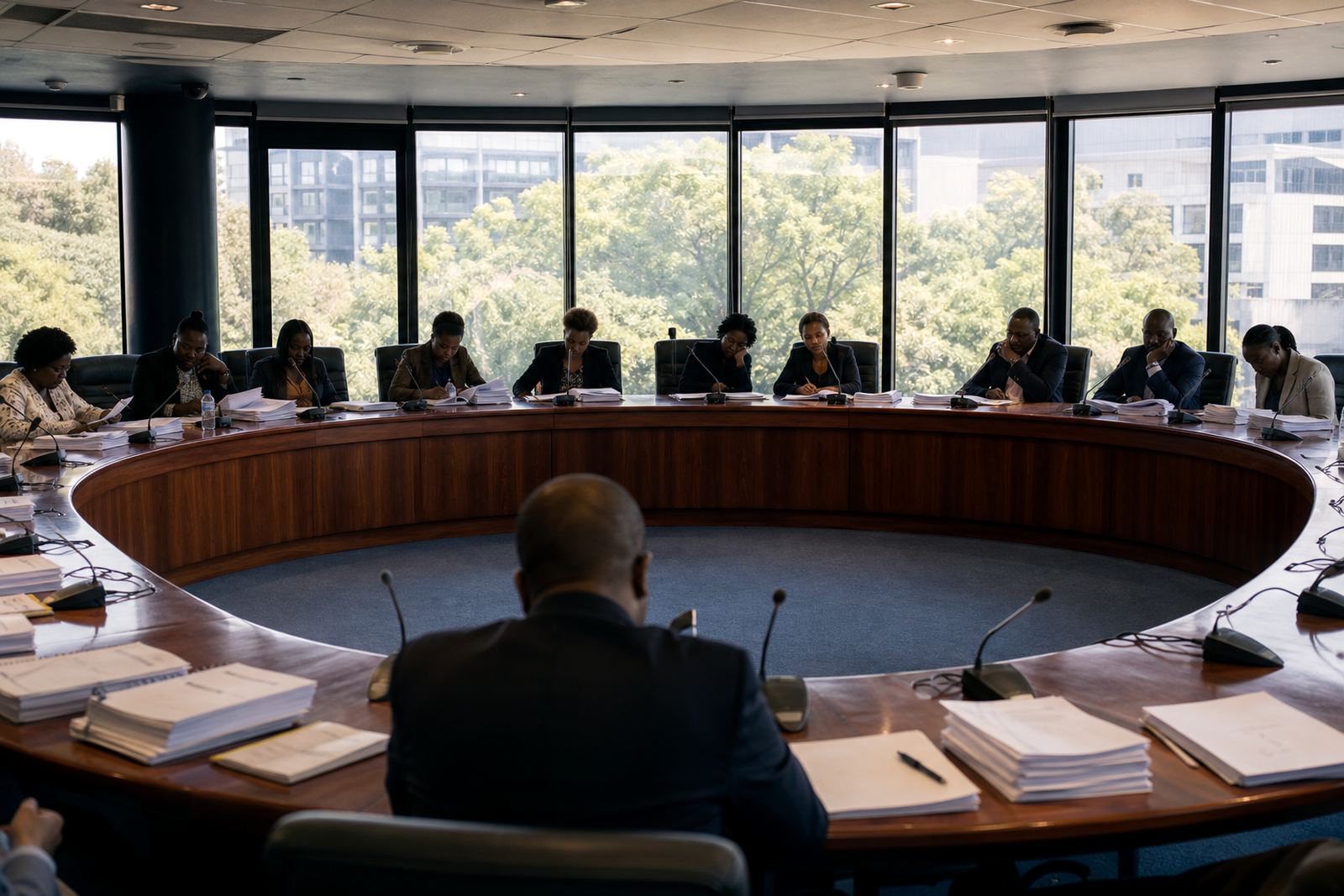
Oversight is not about second-guessing every operational decision from a chair in Pretoria or Cape Town. It is about making sure institutions have lawful mandates, enough capacity, and a record that can be tested by others. If an agency uses public money, it must account for performance, discipline and expenditure.
- Check whether arrests, searches and surveillance follow the law.
- Review budgets, procurement and training to see where money is going.
- Track complaints from the public and how many are resolved.
- Test whether reporting lines are clear from field level to leadership.
- Ask whether the institution respects court orders and parliamentary scrutiny.
When these basic questions are asked regularly, weak systems are easier to spot. That is true for national bodies and for local policing structures too. Oversight works best when it is routine, public and not reserved for moments of crisis.
The South African lesson: checks only work when they are used
South Africa offers a useful lesson. The country has constitutional safeguards, parliamentary committees, independent review bodies and court access. On paper, that gives civilians real power. In practice, the value of those tools depends on whether they are used properly and whether institutions answer honestly.
A familiar Johannesburg example is community pressure around visible policing in Rosebank, Alexandra and Soweto. Residents want safer streets, but they also want fair treatment, lawful searches and proper follow-through on complaints. If an official ignores a complaint or a station cannot explain why a matter stalled, the problem is not only poor service. It is a failure of oversight at the point where the public needed accountability most.
This is why local councillors, ward forums and community safety structures matter. They are often the first place where patterns emerge. A single complaint may be dismissed, but ten complaints about the same issue point to something deeper. That is where civilian oversight starts to become useful rather than decorative.
The danger of secrecy when security powers expand
Security agencies often argue that secrecy is necessary. Sometimes it is, especially where intelligence, witness protection or active investigations are involved. But secrecy should be limited to what is genuinely needed. The wider the secrecy, the easier it becomes for abuse to hide behind national security language.
When oversight weakens, three problems usually follow:
- Officials start to treat criticism as disloyalty instead of feedback.
- Budgets grow while service quality stays flat or declines.
- The public loses confidence and starts to rely on rumour instead of facts.
That loss of trust is expensive. It makes communities less willing to report crime, less willing to cooperate with lawful investigations and more likely to assume that nothing will change. A security system cannot function well in that climate, no matter how much it spends.
Good oversight does not expose every operational detail. It separates what must stay confidential from what the public has a right to know. That balance is what keeps constitutional power from sliding into impunity.
What ordinary citizens can reasonably ask for
Civilians do not need to know every technical detail to hold security institutions to account. They only need to ask the right questions and expect clear answers. In a city like Johannesburg, where pressure on public services is constant, people are entitled to know whether institutions are learning from mistakes or repeating them.
Practical questions include:
- Who is responsible when a complaint is not answered?
- How are misconduct cases tracked and finalised?
- What training do officers receive on constitutional rights?
- How are budgets spent between operations, equipment and administration?
- What reporting exists for communities that experience recurring problems?
If those answers are vague, that is not a minor communications issue. It is a sign that the oversight chain is weak. Citizens should not have to guess how a public institution works, or where to place responsibility when things go wrong.
A practical standard for stronger oversight
The best oversight systems do a few simple things well. They publish information on time, they keep records that can be checked, and they make sure complaints do not disappear into internal admin. They also protect whistleblowers and support independent review, because a closed system can easily protect itself before it protects the public.
For policymakers, the message is straightforward: build institutions that can explain themselves. For managers, the task is to keep accurate files, answer queries properly and treat oversight as part of the job, not as a nuisance. For the public, the duty is to stay informed and insist on follow-through.
In constitutional democracy, security is strongest when civilians can see the lines of authority and test them. That does not weaken the state. It keeps the state answerable to the people it serves, which is exactly where security power belongs.