How the local state shapes daily life
The local state is the part of government people meet first. It is the municipality fixing a burst pipe, issuing a building approval, collecting refuse, setting by-laws and deciding where basic services reach first. In coastal or humid areas such as Lagos and Accra, maintenance becomes even more urgent because water, drainage and corrosion add pressure to already stretched systems.
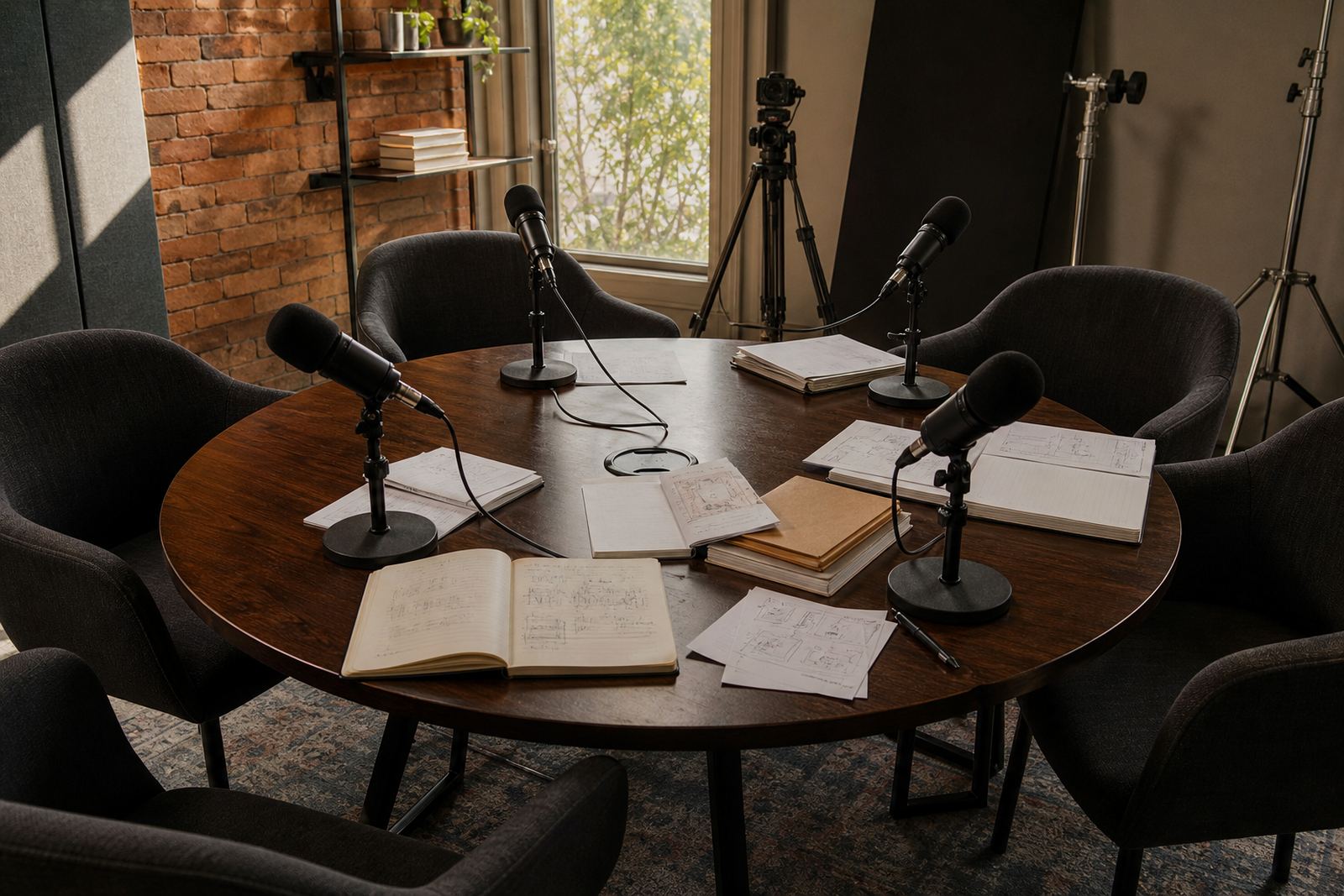
For our podcast and essay work, this topic is not only about institutions. It is about how power is organised close to home, how councillors and administrators interact, and why service delivery often feels uneven from one ward to the next. We focus on plain explanations of decentralisation, local revenue, intergovernmental funding and municipal accountability without partisan language or slogans.
What usually needs explaining
People usually come to this topic with a practical question: who is responsible for what? A municipality may handle water reticulation, streetlights, planning permission and waste removal, while a province or national department may oversee other functions. The overlap can be confusing, especially when residents only see the final problem, not the chain of responsibility.
We break down the ideas that matter most for civic understanding:
- What decentralisation means in practice, not just in theory
- How ward structures, councils and administrations are meant to work
- Why revenue collection matters for service continuity
- How procurement, oversight and public participation fit into local government
- Why rural and urban municipalities face different pressures
This approach helps audiences in South Africa, Kenya, Nigeria, Ghana and Zambia compare systems without assuming every country follows the same model. It also helps explain why a law can be sound on paper yet still struggle in daily use if staffing, budgets or planning are weak.
Planning for different African city and town contexts
Local state commentary works best when it is grounded in place. A municipality in a fast-growing city like Nairobi faces different service demands from a smaller district town in Zambia or a dense metro area in Gauteng. Informal settlement growth, land use pressure, road maintenance and billing systems all shape what residents experience. In some places the central issue is water pressure, in others it is spatial planning, informal trading rules or refuse collection.
That is why our planning process pays attention to local context before script writing begins. A good series should separate permanent institutions from temporary political noise, and it should explain which level of government can actually act. It also helps to name the everyday signals of state presence: signage, permits, enforcement, public meetings, clinics and street cleaning. Those small details often say more than broad claims ever could.
When we prepare essays on this theme, we keep the language practical. We avoid jargon where possible and define it where needed. A reader should be able to follow the logic whether they are in Rosebank, Lusaka or Accra, with no need to already know the full legal framework.
Common mistakes in local government commentary
One of the biggest mistakes is treating every delivery failure as the same problem. A broken water line, a delayed permit and an unpaid contractor may have very different causes. Another common error is blaming the nearest office without checking whether the issue sits with the municipality, province or national department. That kind of shortcut weakens trust and makes analysis less useful.
Other mistakes we watch for include:
- Using party language when the issue is administrative or legal
- Leaving out the budget side of service delivery
- Overstating what a mayor or councillor can fix alone
- Ignoring by-laws, tariffs and procurement rules
- Forgetting that local administration is shaped by staffing and maintenance, not only policy
Careful fact checking matters here because local government stories spread fast and often sound similar across countries. A clean editorial process helps separate repeatable patterns from one-off incidents, and that keeps the commentary credible.
Budget ranges and publishing rhythm that make sense
For a local state podcast or essay series, budget planning should match the publishing rhythm. A short monthly episode with a matching essay needs less production time than a weekly series with multiple edits, archive work and distribution planning. If the goal is a steady public education series, the most practical budget is one that protects research time first, because that is where accuracy begins.
Typical budget bands in Rand can look like this: a lean pilot series might run from R25 000 to R50 000 for scripting, editing and audio mastering across a few episodes. A more regular programme with research support, episode editing, copy editing and publication scheduling can sit between R60 000 and R150 000 over a season, depending on length and turnaround. Higher output series with archive management, show notes, series planning and stronger audience coordination may go beyond that. The right number depends on how much of the workflow is handled by the team and how much is outsourced.
For a base in Rosebank serving Johannesburg, Pretoria, Soweto and wider African audiences, the key is consistency. A well planned series is easier to follow, easier to archive and far more useful to people trying to understand how the local state actually reaches their street.