Comparing Politics Across African Regions and States
Regional politics is never just about one election cycle or one headline. It includes the history of liberation movements, constitutional design, coalition bargaining, local government, party systems, and the way citizens experience the state in daily life. A good regional lens shows why a debate in Johannesburg may echo differently in Nairobi, Lagos, Accra or Lusaka.
The need is usually to explain African politics in a way that is grounded, current and accessible without becoming partisan. The audience may include students, journalists, civil society staff, business audiences and general listeners who want context before forming an opinion. The tone must be measured, and the comparisons must be fair across countries, not reduced to slogans or imported assumptions.
The focus is on political institutions, public accountability, citizenship and the practical realities of governance across the continent.
How to Structure a Regional Politics Episode or Essay
The strongest regional commentary usually starts with a narrow question. For example, what does coalition governance mean in a municipal context, how do electoral commissions differ in their authority, or why do party systems take different forms across southern, eastern and western Africa? Once the question is fixed, the rest of the structure becomes easier to manage.
A practical format is opening context, historical background, institutional explanation, current issue, and a short closing reflection. That shape works well for both audio and written pieces because it gives a clear path through complex material. It also keeps the work accessible to people who may not follow politics every day.
- Start with a plain language summary of the issue and why it matters now
- Place the issue in historical context without overloading the audience
- Explain the relevant institution, such as parliament, cabinet, courts or electoral bodies
- Compare the issue across at least two countries where the comparison is useful
- End with what the public should watch next, not with a hard conclusion
For South African audiences especially, it helps to connect regional comparison to everyday governance issues such as service delivery, budgeting, opposition cooperation, provincial administration and municipal oversight. That makes the subject feel immediate rather than abstract.
Common Mistakes That Weaken Political Commentary
One common mistake is treating every African political system as if it follows the same pattern. The legal framework in Ghana is not the same as in Zambia, and the party competition in Nigeria is not the same as in Kenya. Good commentary respects those differences and avoids lazy comparisons. Another mistake is using too much jargon, which can make even a solid analysis hard to follow.
A second problem is overclaiming. In political analysis, it is better to say what the available public record supports than to sound certain about things that are not established. That means checking dates, names, institutional roles and constitutional powers carefully. It also means avoiding claims about living politicians or parties that cannot be supported by general knowledge and public facts.
- Do not confuse opinion with evidence
- Do not copy foreign political language into local contexts without checking the meaning
- Do not skip fact checking on dates, titles and institutional powers
- Do not let a strong opening replace a careful argument
- Do not release an episode or essay before the notes and references are in order
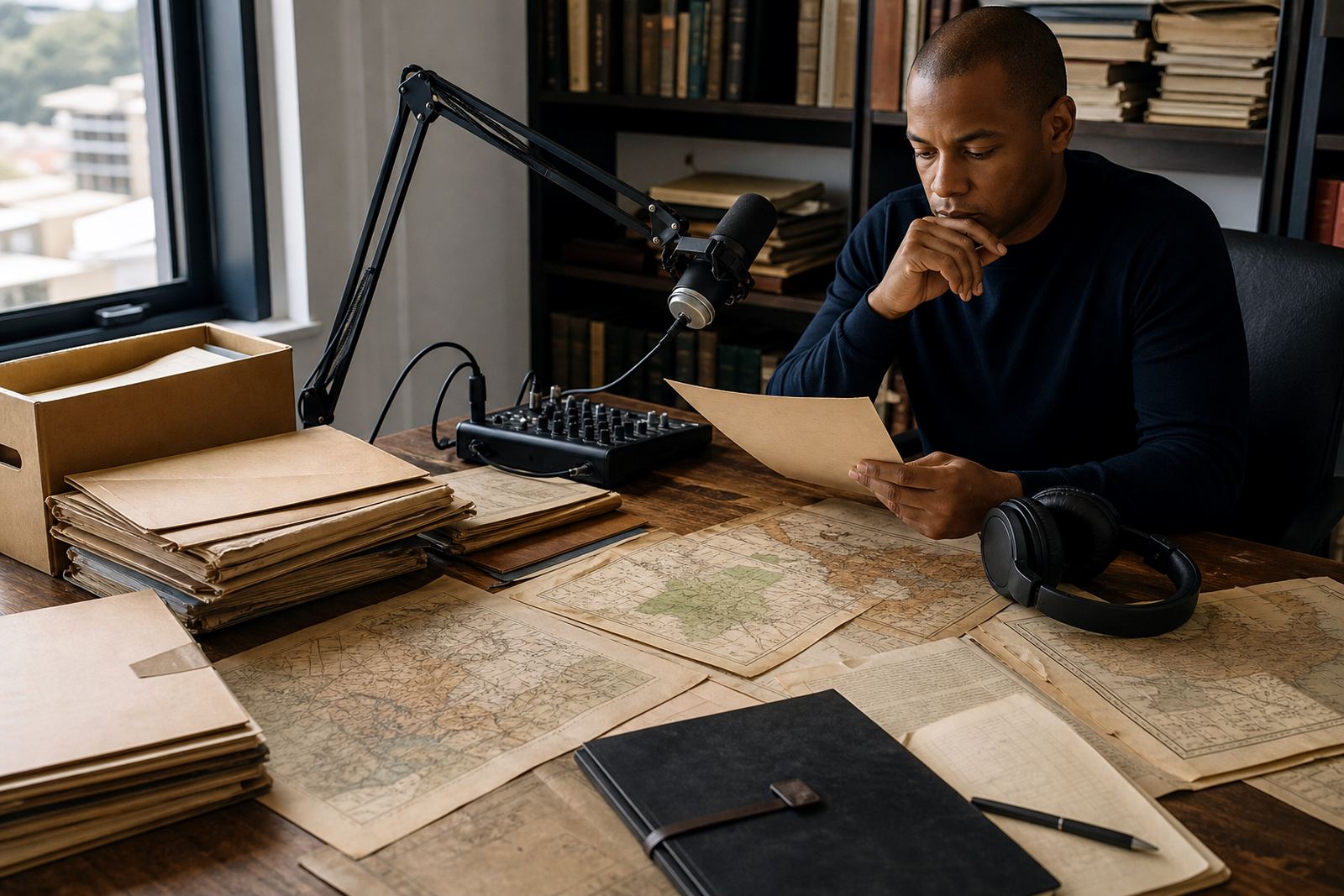
For a podcast and publishing platform, archive management matters too. Old episodes and essays should be easy to find, label and reuse when a new event brings an older issue back into public debate. That saves time and strengthens continuity.
Budget Ranges for a Regional Commentary Operation
The budget for a regional politics project depends on scale, recording frequency and how much editing support is needed. A lean setup for a small team working from Rosebank or another office in Gauteng can start with basic gear and in house editing. A more developed operation with regular episodes, essay publishing and stronger backup systems will cost more, especially if it serves audiences across Johannesburg, Pretoria, Soweto and beyond.
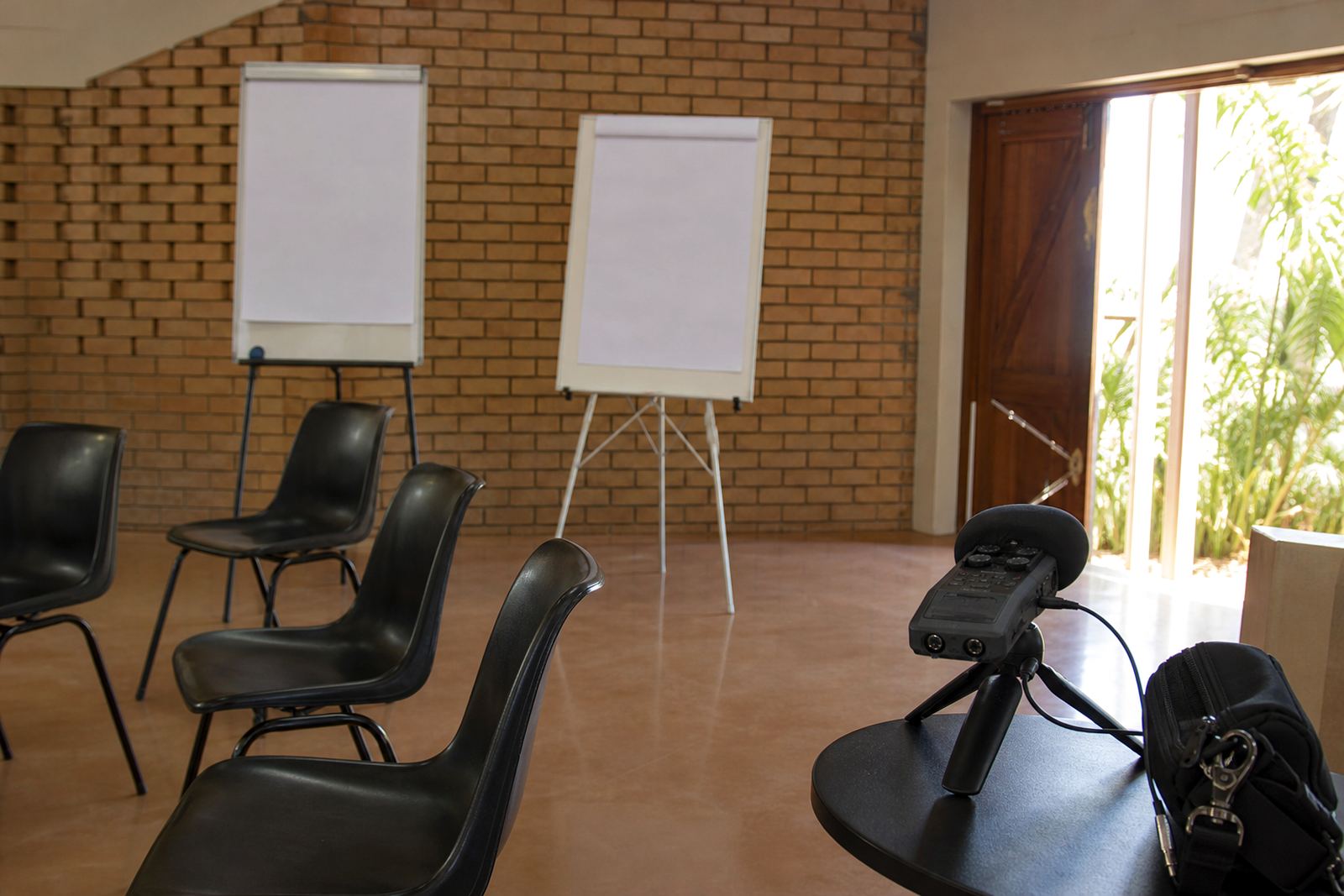
As a working guide, a basic starter setup can sit around R25,000 to R60,000, covering entry level recording gear, headphones, cabling, sound treatment and storage. Larger multi format operations can exceed R250,000 when archive systems, recurring subscriptions and higher production loads are factored in.
Even when the audience is digital, the work behind it is very real. If a platform wants to remain dependable, it needs to budget for both people and process, not only equipment.
Consistent Regional Coverage Across Africa
Regional politics coverage works best when it is consistent, careful and useful. That kind of trust is built through repeated attention to detail, fair comparisons and a stable publishing rhythm.
Populism Africa Review is well placed for that role because it brings together podcast production, research, editing and publishing in one editorial environment. The result is not just commentary, but a practical record of political developments across Africa that can be revisited, compared and learned from over time.