Why security institutions matter in public life
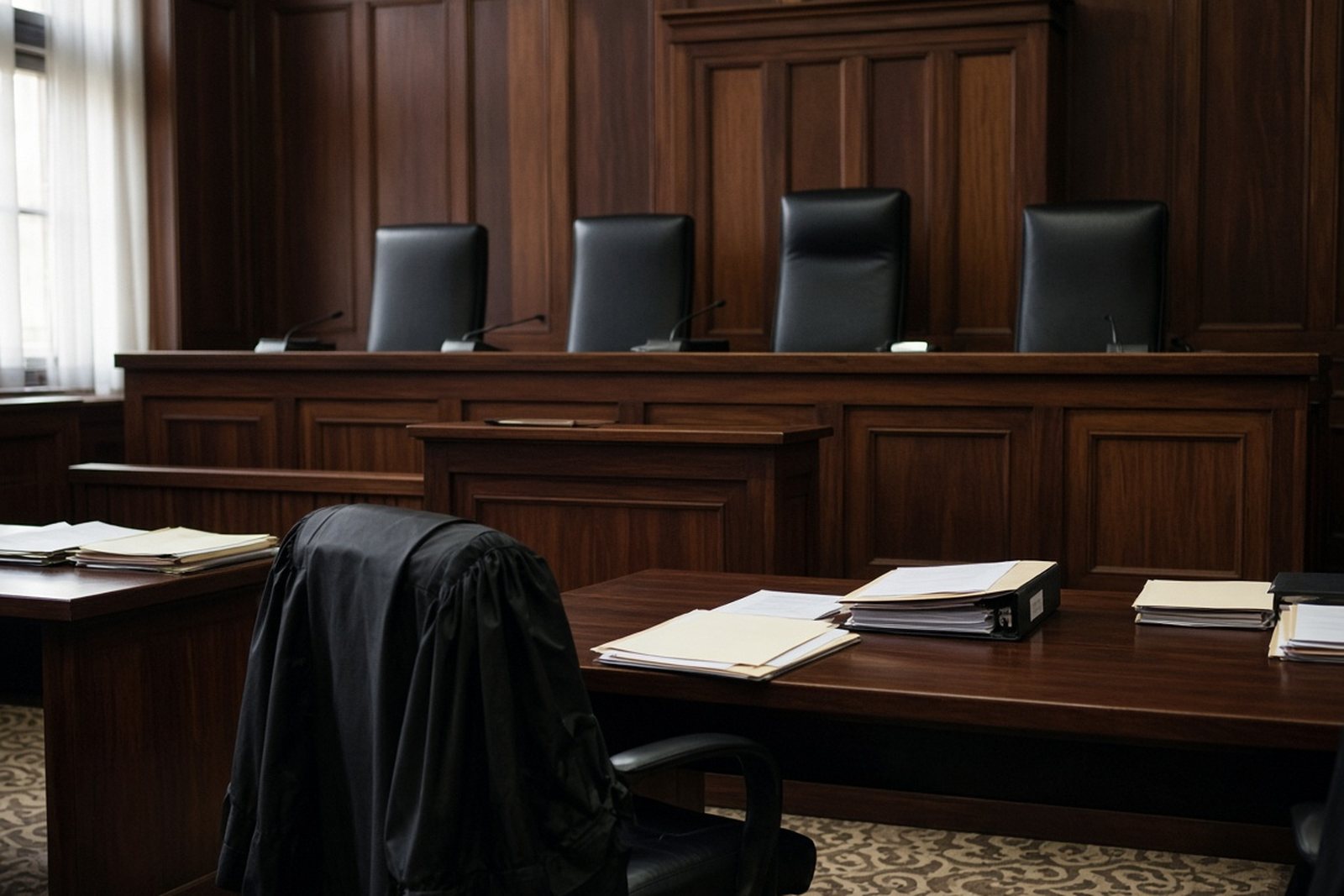
Security institutions include the police, defence force, intelligence services, correctional services and the civilian bodies that oversee them. In many African states, these institutions carry heavy constitutional duties, but they also work under strict legal limits. A good public discussion has to explain both sides: the need for safety and the need for restraint.
For a podcast episode or essay, the need is usually to make a complex subject understandable without turning it into partisan argument. That means setting out the basic mandate of each body, showing where powers begin and end, and explaining why oversight matters in a democracy. Straight answers on who controls whom, and why that structure exists, are often central to the discussion.
Oversight, mandates and the chain of accountability
The main issue is not only what a security body does, but who can question its actions. Oversight may come from Parliament, a civilian complaints body, a judicial process, a ministry or a parliamentary committee. When these lines are weak, public trust drops quickly and confusion grows around arrests, surveillance, border control and the use of force.
We keep the tone factual and general. That means using broad constitutional ideas, not making claims about current named politicians or parties. A solid script should explain that security bodies are not meant to govern, they are meant to serve under law. In South Africa, Kenya, Nigeria, Ghana and Zambia, the exact model differs, but the principle is the same.
- Explain the legal mandate in simple language
- Separate operational power from political authority
- Show how complaints and review processes work
- Note where oversight gaps can appear
Typical production set for this topic
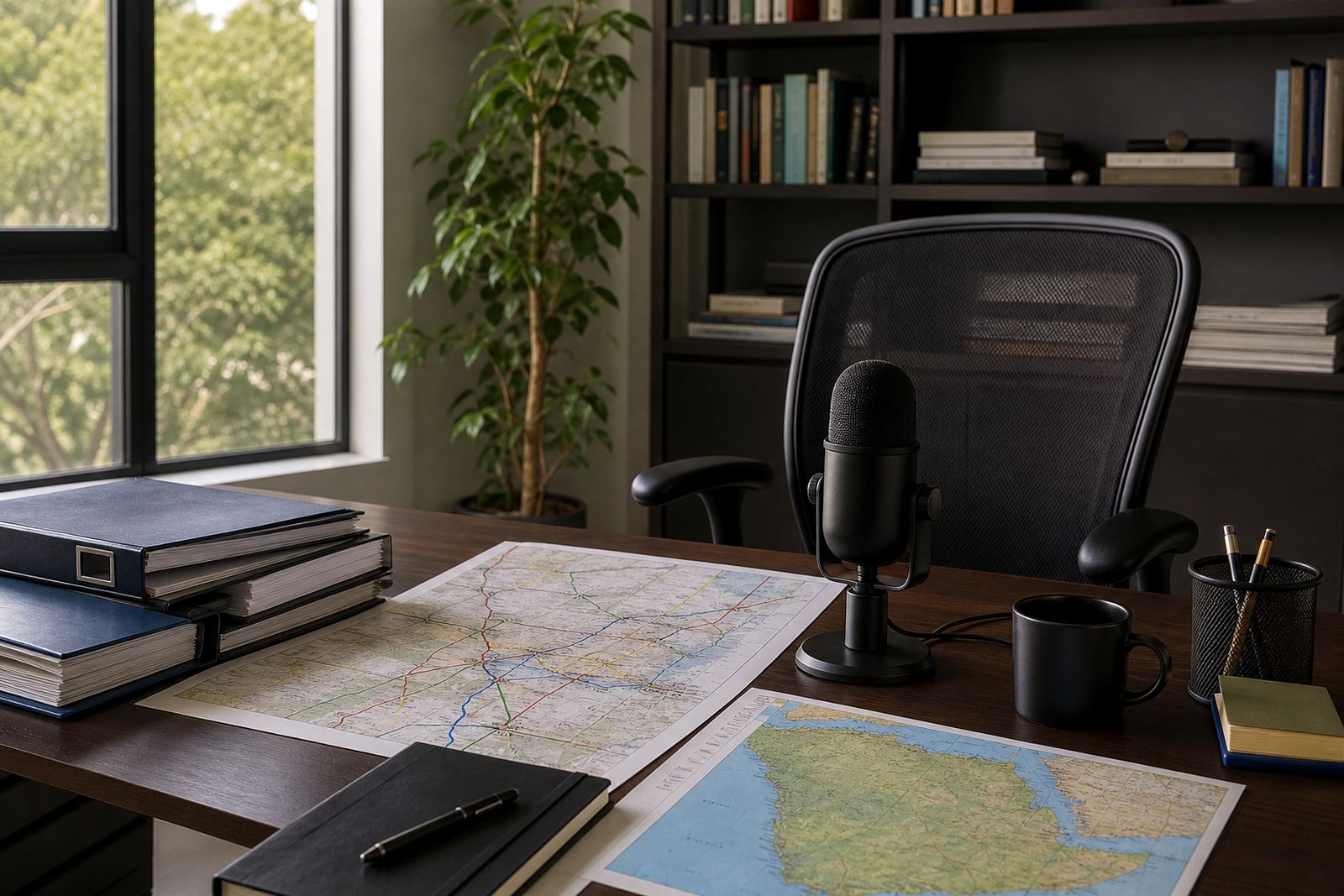
For this kind of show, the equipment set is usually modest but reliable. A two to four microphone interview setup works well, with closed-back headphones for each speaker, a small mixer or audio interface, and a quiet room in Rosebank or any other central business area. If the discussion includes archived clips, policy readings or narrated explainers, clean voice capture matters more than fancy gear.
Security topics often involve long-form explanation, so clear sound and careful pacing matter. We also recommend tidy file naming, version control for scripts, and a secure archive for edit decisions and final masters.
- 2 to 4 microphones with stands and pop filters
- Headphones for monitoring
- Audio interface or compact mixer
- Quiet room with soft furnishings to reduce echo
Planning the layout for an informed audience
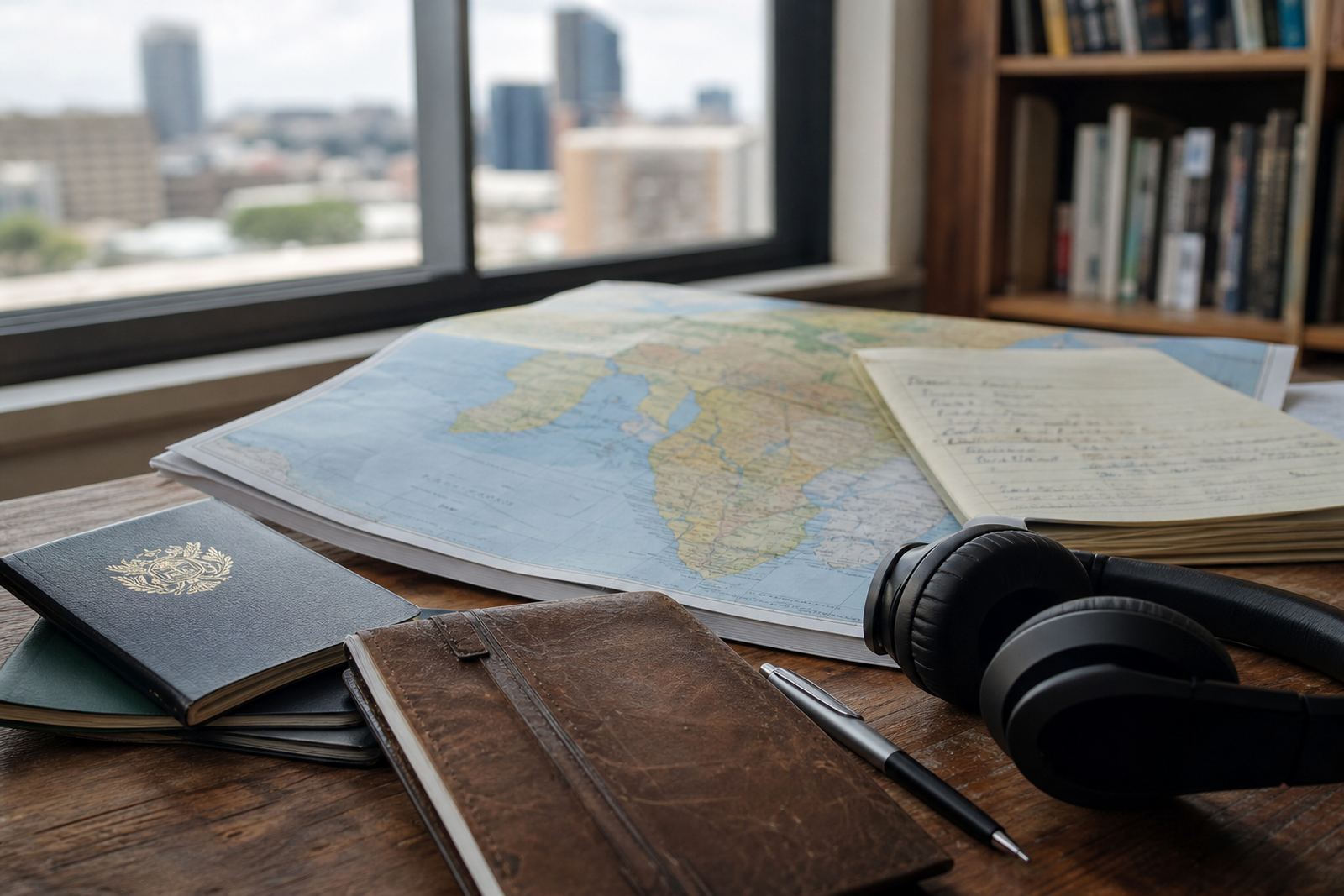
The best layout is one that moves from definition to history, then to current practice and oversight. A single episode might open with what security institutions are, then move into the constitutional mandate, followed by examples of civilian control, budgeting and public accountability. For essay work, the same structure keeps the argument clear, especially when the topic covers several countries in one article.
In practical terms, one presenter can read the main narrative while another handles research notes and fact checking. That gives the piece more control and helps avoid repetition. If the production is split across Johannesburg, Accra and Lagos, the team should agree on one style guide, one spelling standard and one source list before recording starts.
Common mistakes when covering security bodies
A common mistake is to treat every security issue as if it were purely political theatre. That flattens the real legal questions and can mislead audiences. Another mistake is using vague language such as