Why parliamentary coverage needs steady structure
When a parliament is busy, commentary can become noisy very quickly. Committee hearings, budget votes, motions, question sessions and floor debates all move at different speeds, and each one needs context before it makes sense to an audience. A good parliamentary episode or essay should explain what the institution can do, what it cannot do, and why a particular debate matters to ordinary people in Johannesburg, Nairobi, Lagos, Accra or Lusaka.
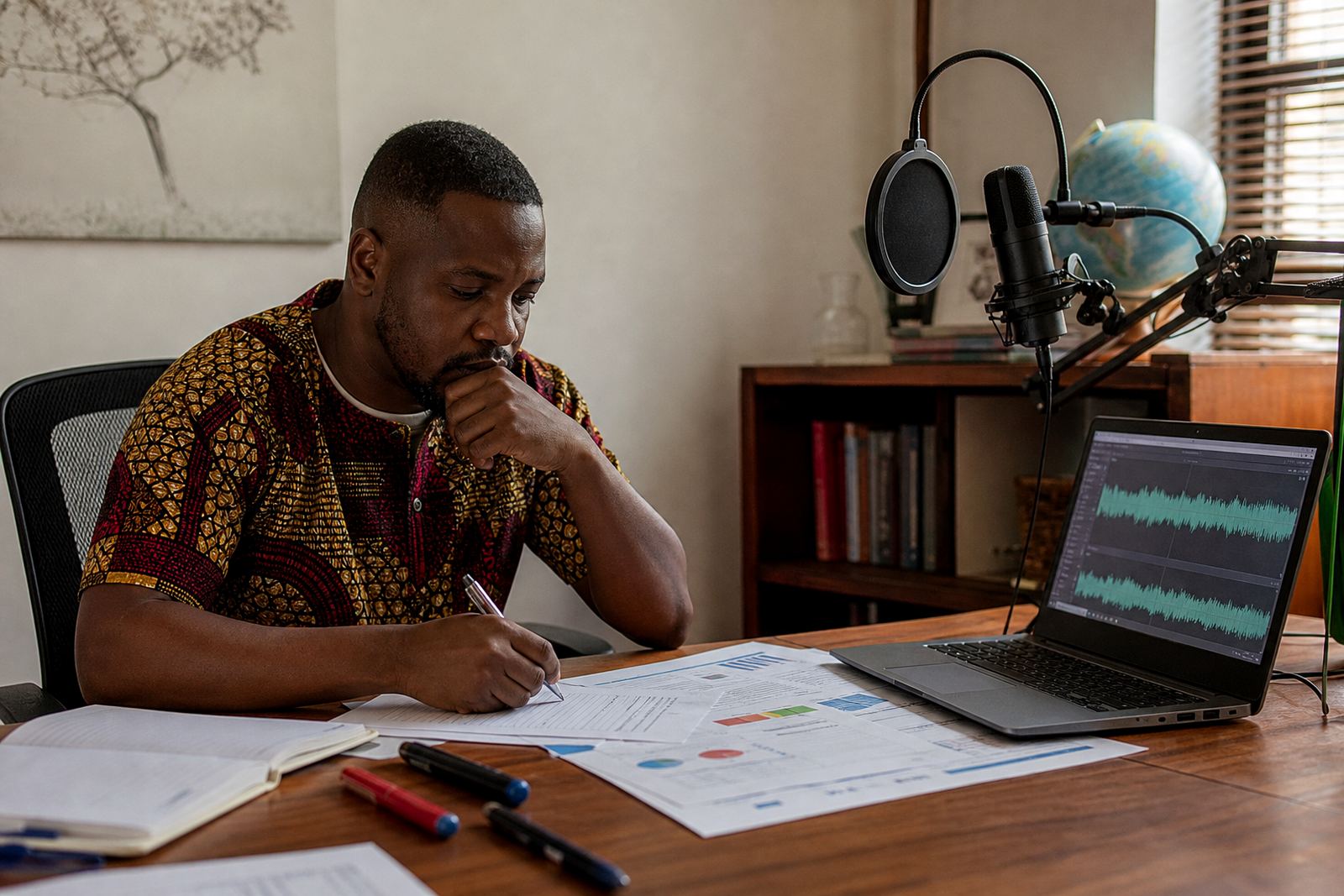
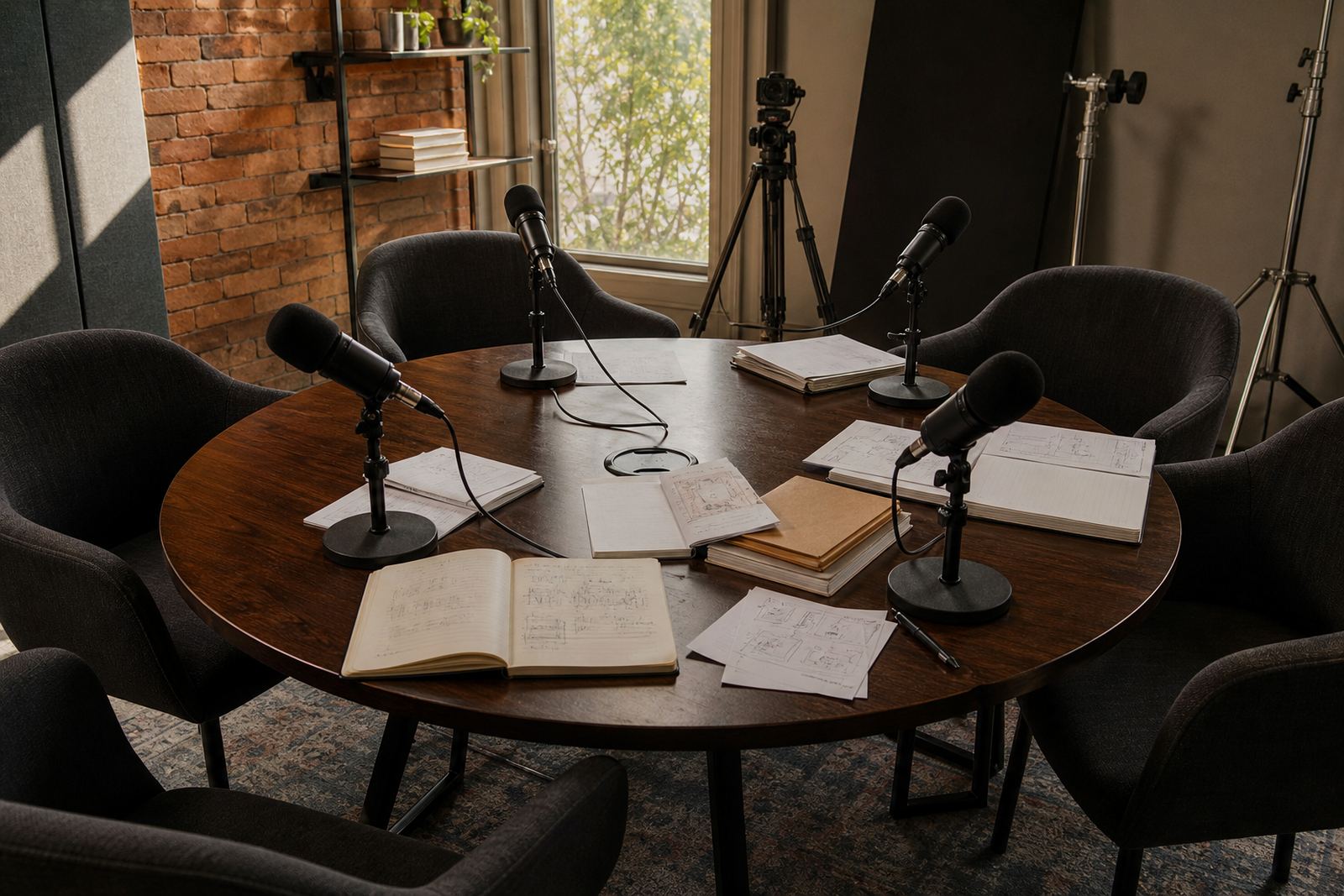
For this use case, the client usually needs a simple production system: one lead presenter, a researcher, an editor and someone keeping notes on timing, sources and follow-up points. The aim is not to chase every headline, but to build clear episodes that explain oversight, law making and party discipline without slipping into commentary that feels partisan or rushed.
How to plan a strong parliament episode series
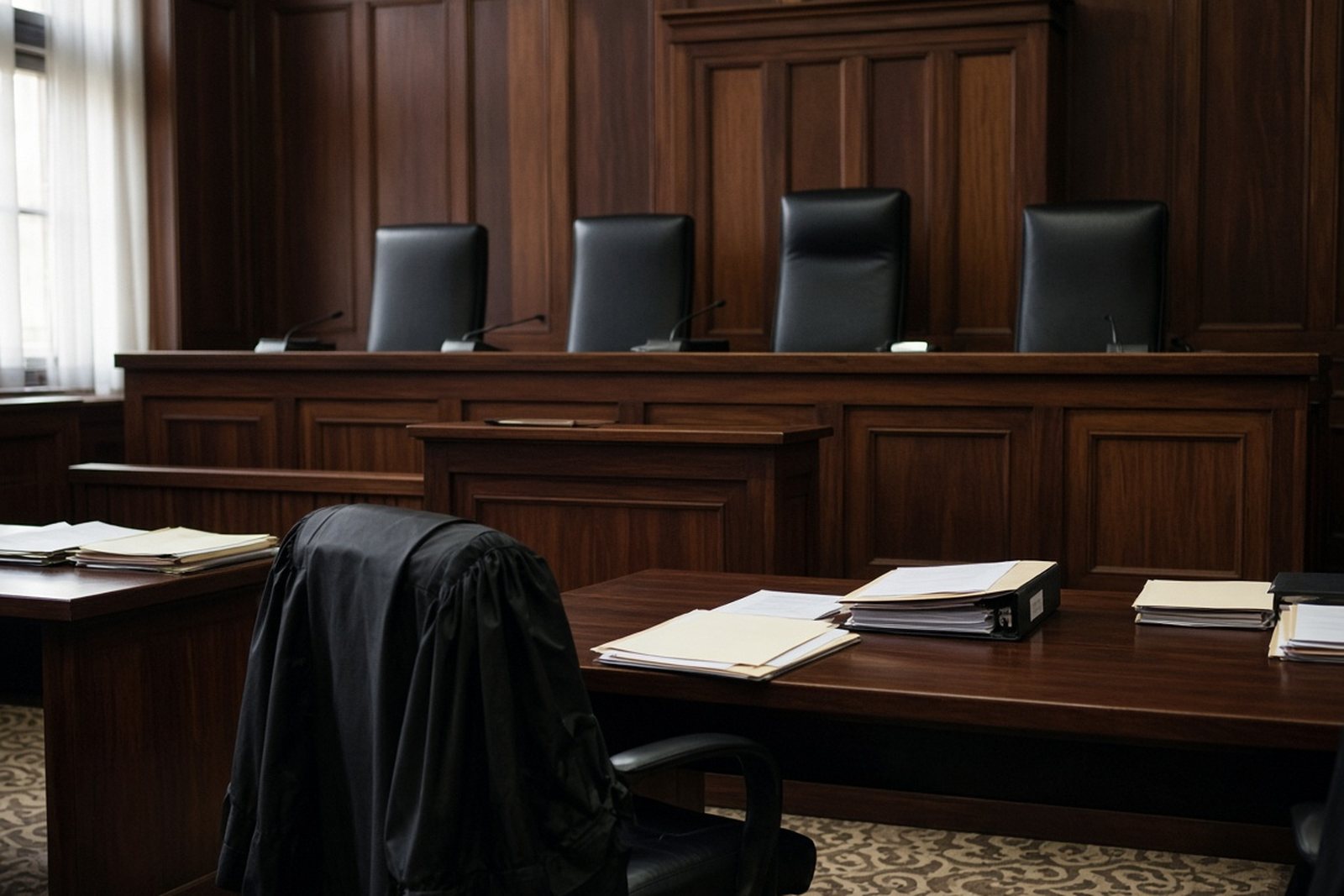
Planning should start with the institution, not the headline. A useful series often begins with the basics: what a parliament is, how seats are allocated, how committees operate, how bills move through stages and how executive members are questioned. From there, the series can look at specific national systems across South Africa, Kenya, Nigeria, Ghana and Zambia, showing where their rules are similar and where they differ.
For essays, the structure should be plain and easy to follow. Start with the issue, explain the institution, then show the practical effect on public life. That could mean tracing how a budget committee affects service delivery, or how an oversight hearing can reveal pressure points in a ministry. Keep the language direct and avoid overloading the piece with jargon, especially where parliamentary terms are unfamiliar.
- Begin with one question per episode or essay
- Use plain terms before introducing formal parliamentary language
- Separate procedure from opinion
- Link the institution to daily public services and law making
- Use a consistent publishing schedule so audiences know when to expect the next instalment
Research and fact checking for legislative commentary
Legislative coverage lives or dies on accuracy. Titles of committees, the order of proceedings and the difference between a debate and a vote all matter. A small error can confuse the whole point of the piece, so the research process needs careful checking before anything goes live. This is where strong research support and fact checking are worth the spend, especially when the discussion involves several countries with different parliamentary rules.
A sound workflow would include checking official notices, reading the relevant section of a constitution or standing rules, and confirming the date and purpose of any sitting or hearing. If a draft mentions a policy proposal, the editor should confirm whether it is an executive statement, a private member initiative or a committee report. It sounds small, but these distinctions shape the audience’s understanding.
For cross-country coverage, it also helps to keep a comparison note on bicameral and unicameral systems, committee powers and the role of the speaker or presiding officer. That gives the podcast and essays a cleaner frame and avoids generalisations that do not hold across the continent.
Common mistakes to avoid in parliamentary coverage
One common mistake is treating every row in a house of parliament as if it has the same weight. Some exchanges are procedural, some are symbolic, and some lead to real legislative or oversight consequences. Another mistake is skipping the committee stage and jumping straight to the most dramatic line from the chamber. That may sound lively, but it can leave the audience with a partial picture.
There is also a tendency to lean too hard on personalities. For an independent commentary platform, the better approach is to explain the institution first and the people second. This keeps the tone non-partisan and avoids the trap of turning serious legislative work into a daily shouting match. It also helps with longer-term audience trust, which matters more than a quick spike in attention.
- Do not confuse committee scrutiny with full house debate
- Do not use one country’s procedure as a model for every other country
- Do not publish before checking the official record
- Do not overstate what a parliament can change on its own
- Do not let commentary drift into cheering for one side
How Populism Africa Review supports this use case
Populism Africa Review is set up for careful political commentary that explains institutions, not just events. Based in Rosebank, Johannesburg and working across South Africa, Kenya, Nigeria, Ghana and Zambia, the team can support podcast production, episode editing, script development, research support, fact checking, essay editing, copy editing, audio mastering, show notes, series planning, publication scheduling and archive management.
That matters for parliamentary coverage because the work needs order. Thabo Michael Mabuza leads the operation, with Naledi Seakamela on editorial control, Aisha Daniels on podcast production, Kwanele Dlamini on research, Nadia Barnard on publishing and Ntando Ndaba on audience and partnerships. Together, the team can turn hearings, debates and committee work into clear public explanations without noise or exaggeration. Clients usually get in touch through the enquiry form on the contact page, then the work can be planned around the parliamentary calendar and the pace of each release.
For audiences trying to understand parliament as an institution, that kind of consistency is worth more than a hot take. It gives room for careful analysis, and it keeps the focus on how representative systems actually function.