Election coverage
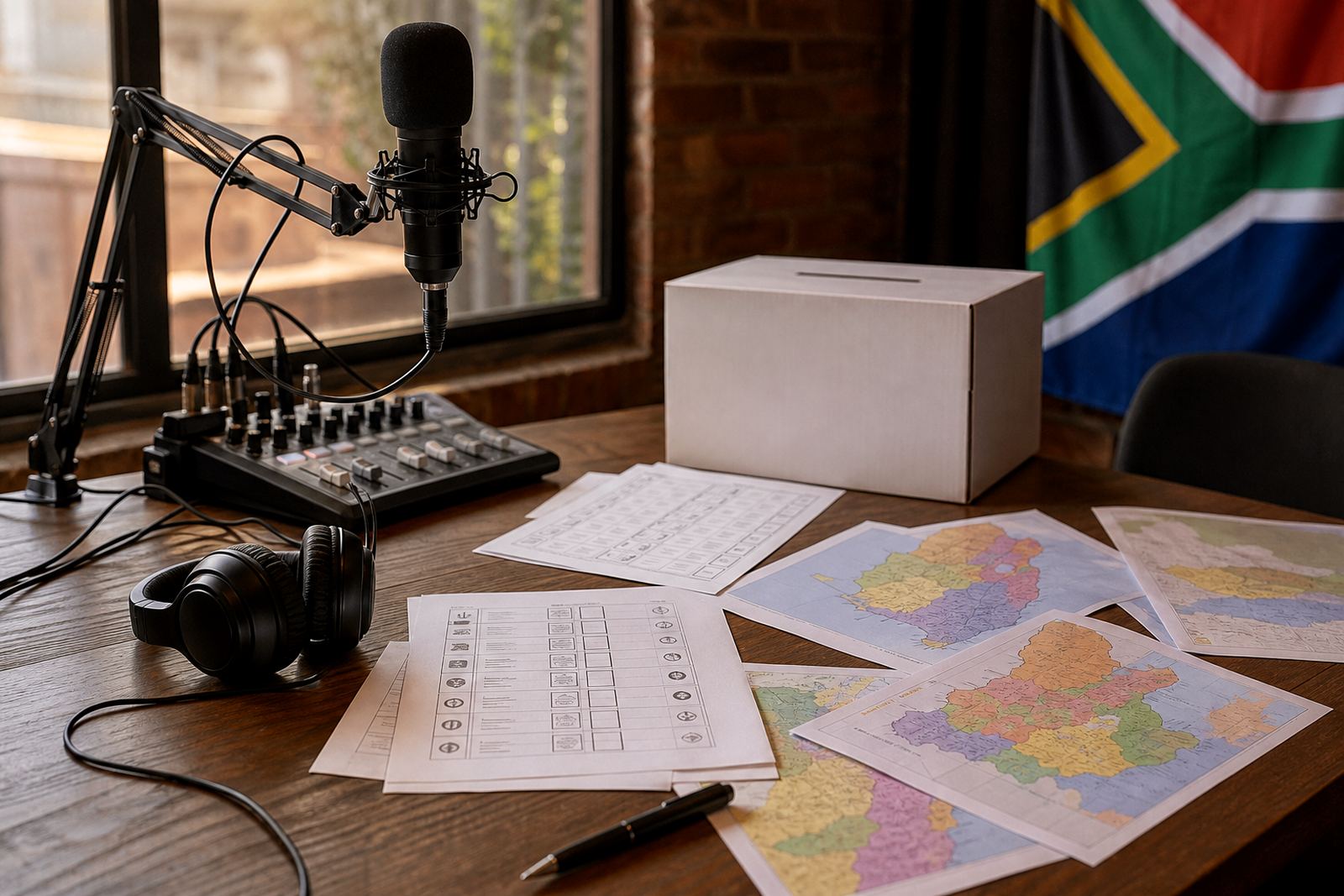
If your audience wants plain explanations of elections without party talk or campaign noise, this topic gives you a steady base. We cover how voting works, why different systems produce different results, and how election management bodies, courts and observers fit into the process.
Clarity matters. A voter may hear terms like proportional representation, first past the post, runoff, delimitation or coalition and still not know what they mean. Practical commentary on these ideas helps people understand the rules before they judge the outcome.
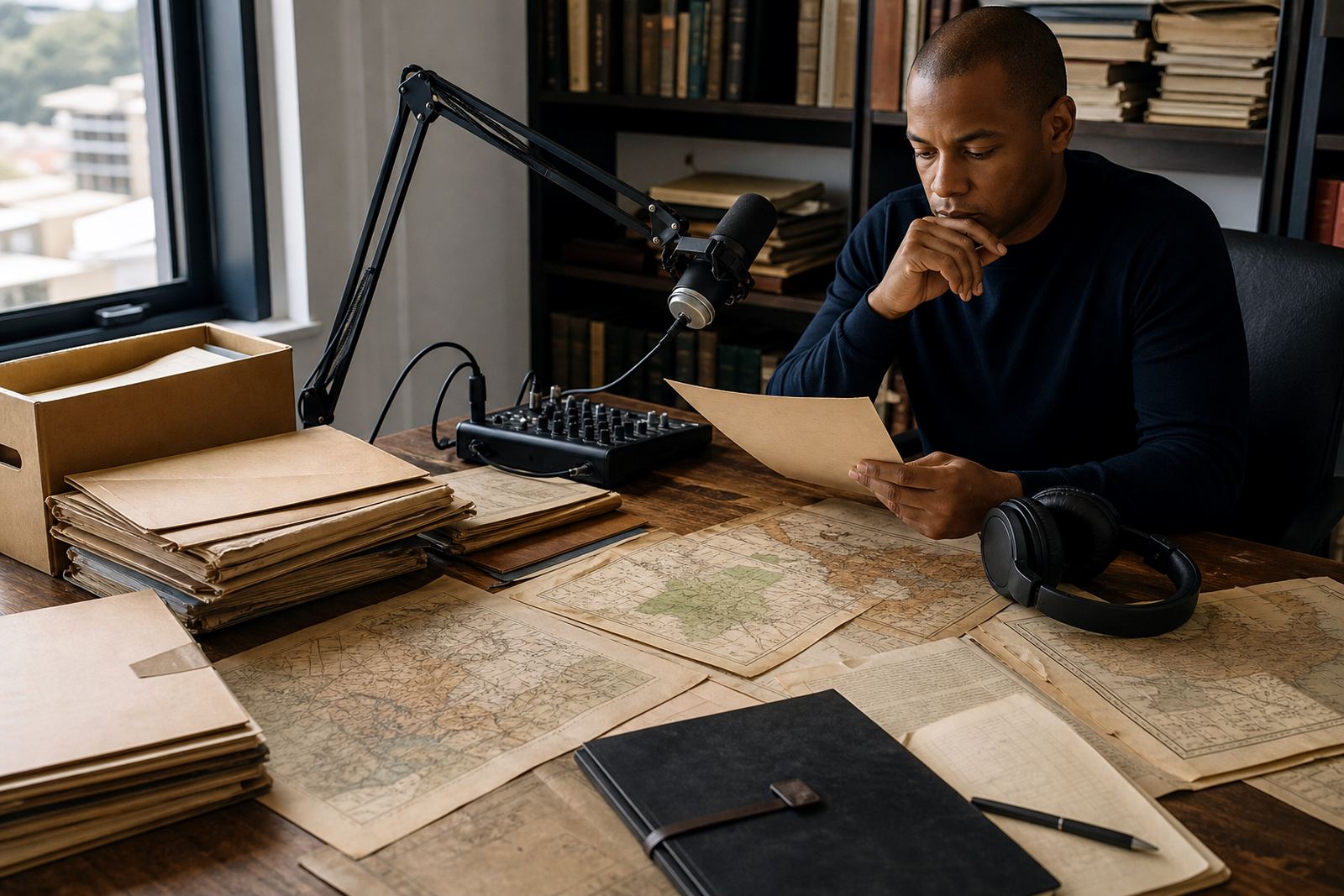
Typical production set for an elections series
An elections series usually works best with a repeatable set of tools and a small, disciplined team. In coastal or high humidity conditions such as Lagos or Accra, dry storage and regular cable checks help reduce faults.
- Microphones, stands and pop filters for clean voice capture
- Headphones for live monitoring and edit checks
- Recording device or audio interface with backup storage
- Editing software for noise reduction, sequencing and mastering
- Research notes, source folders and episode outlines
For written essays, the same topic set needs version control, fact checking, show notes and archive management so each piece stays consistent across South Africa, Kenya, Nigeria, Ghana and Zambia.
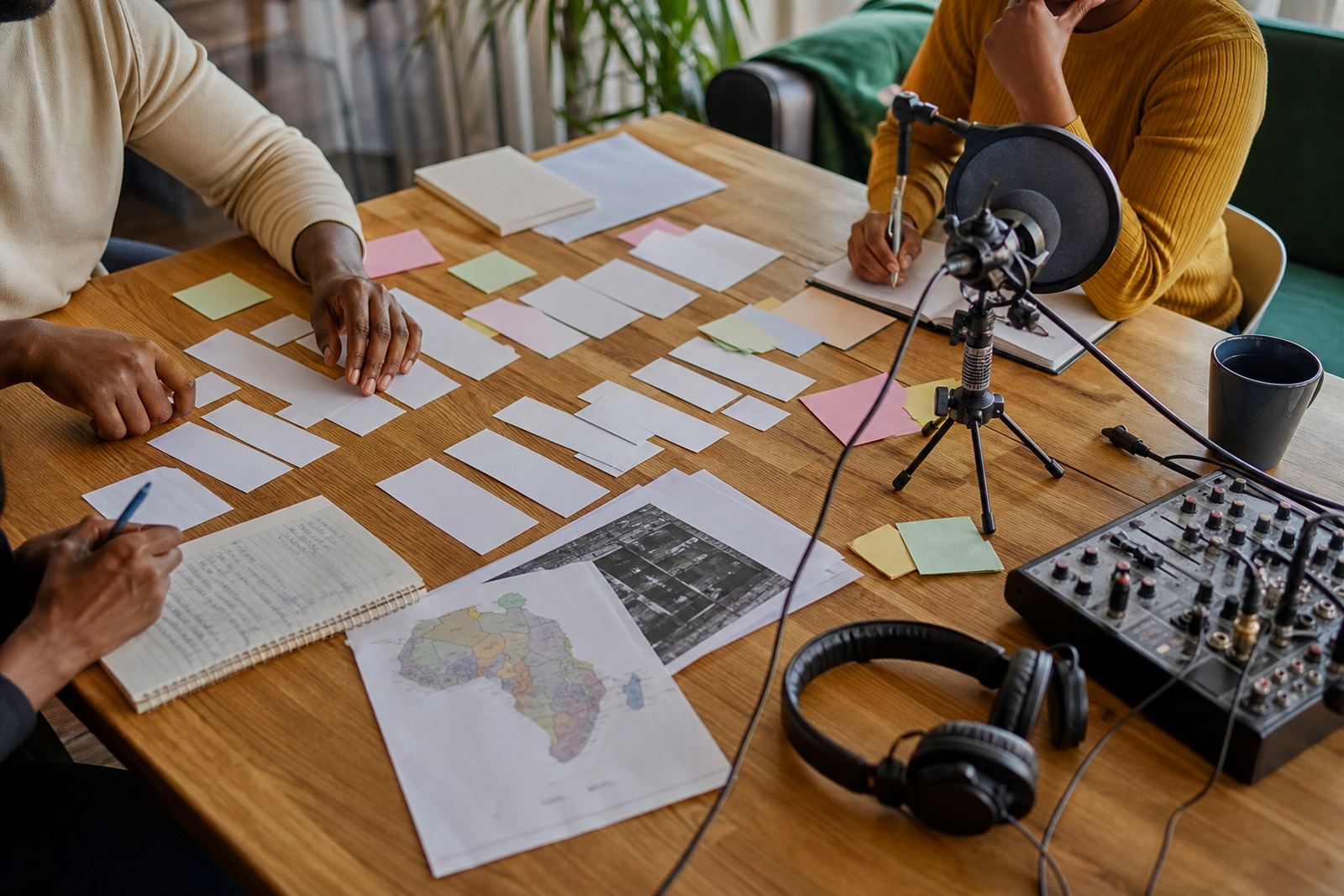
How to plan an election explainer series
Good election commentary is built in stages. Start with the basics of the voting system, then move to administration, then to the wider civic meaning of turnout, representation and legitimacy. That structure keeps the work useful for people encountering the subject for the first time and still gives regular followers enough depth to return.
Planning should also reflect local realities. In Johannesburg or Nairobi, a season may need separate episodes on municipal elections, national ballots and coalition government. In Lusaka or Accra, the focus may shift toward the role of electoral commissions, constituency boundaries and how results are verified. A clear outline saves time and stops the discussion drifting into opinion without evidence.
- Choose one country or compare two at a time
- Define the election stage: registration, campaigning, voting, counting or dispute resolution
- Set a word count or runtime before production starts
- Prepare a source pack with laws, official guidance and historical context
Common mistakes in election commentary
The most common mistake is treating election analysis like a commentary on personalities only. That leaves out the system itself, which is often where the real story sits. Another problem is using one election cycle to explain everything, even when the law or voting method has changed. It can sound neat but it is not accurate.
Another weak point is confusing administration with politics. Delays, ballot design, polling logistics and court challenges all matter, but they need careful explanation and not assumption. Good copy also avoids repeating rumours or unverified claims. If a fact cannot be checked, it stays out. That is basic discipline, not caution for its own sake.
- Avoid party language in educational pieces
- Do not generalise one country's rules to another
- Check dates, legal terms and place names twice
- Keep opinion separate from explanation
Budget ranges for podcast and essay production in Rand
For a focused elections page, budget depends on how much original reporting, editing and audio work you need. A light editorial package for a short series may start around R8,000 to R15,000. A fuller monthly package with research support, script development, editing and publishing coordination often sits between R18,000 and R35,000.
If you want a longer season with archive handling, stronger fact checking and audio mastering, budgets can move to R40,000 plus depending on episode count and turnaround times. For cross-border work across Johannesburg, Pretoria, Lagos, Accra, Nairobi and Lusaka, travel, transcription and faster review cycles can add to the cost. It is better to scope the work properly at the start than to patch it later.
How Populism Africa Review supports election coverage
Our team in Rosebank, Johannesburg handles podcast production, episode editing, script development, research support, fact checking, essay editing, copy editing, audio mastering, show notes, series planning, publication scheduling and archive management. That mix is useful when a topic needs both spoken explanation and written context. It also helps when a series has to stay consistent across several countries and political systems.
Thabo Michael Mabuza leads the work with Naledi Seakamela, Aisha Daniels, Kwanele Dlamini, Nadia Barnard and Ntando Ndaba. The aim is straightforward: explain elections as institutions, not just events. If you need support with a new elections series or a refresh of existing material, enquiries come through the contact page form.