Why democracy needs careful, plain-language commentary
Democracy is often discussed in moments of election fever or protest, but the real story sits in the everyday workings of institutions. Clear democracy coverage should explain how constitutions, courts, legislatures, local government and public oversight fit together, and why these systems sometimes hold and sometimes strain.
At Populism Africa Review, the focus is on making those moving parts understandable without turning them into slogans. That means explaining the role of opposition parties, coalitions, civil society, media freedom and the right to assemble, while keeping the discussion non-partisan. The aim is not to tell people what to think, but to give them enough context to think clearly about events in South Africa, Kenya, Nigeria, Ghana and Zambia.
In practice, this work suits audiences who want depth without technical clutter. A good episode or essay on democracy should be specific about institutions, careful about language, and grounded in the history of political reform, constitutional change and civic struggle in each country.
Typical production set for a democracy topic page
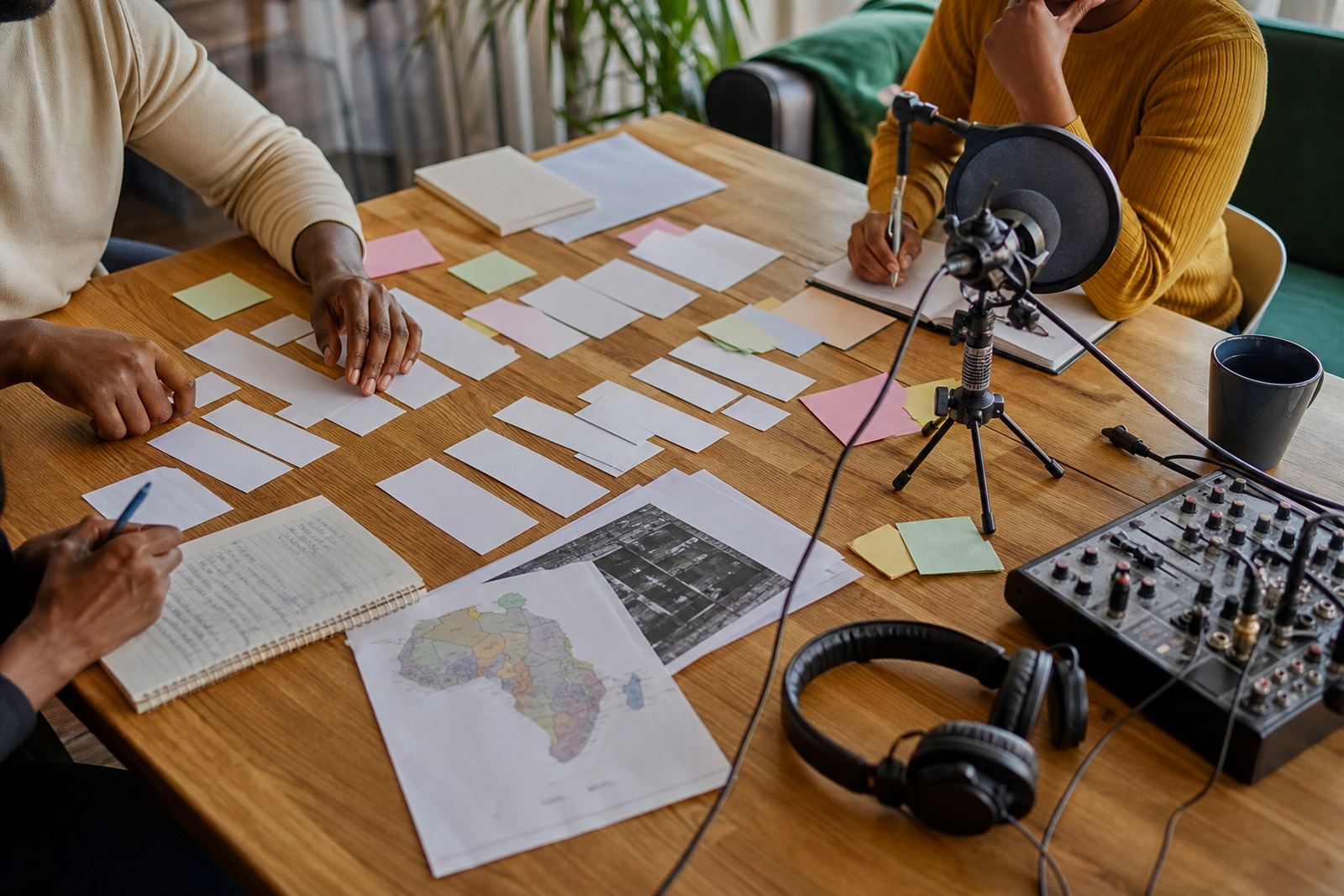
Democracy commentary usually needs more than one format. For Populism Africa Review, the core set is usually a podcast episode, a matching essay, short show notes and archive references that help revisit related themes. The team also needs a reliable research process because topics like elections, party systems and constitutional amendments can become confused quickly if sources are not checked properly.
- Podcast planning and episode scripting for a 20 to 45 minute discussion
- Research support using constitutions, parliamentary records and credible reporting
- Fact checking for names, dates, office holders and institutional terms
- Essay editing and copy editing for longer written commentary
- Audio mastering and show notes for clean publishing across devices
- Archive management so related discussions stay easy to find later
That means keeping files backed up, recording with enough power protection, and planning turnaround times so publication does not slip if the power cuts out or a meeting runs late.
How to structure a democracy discussion for clarity
The strongest democracy content usually starts with a simple frame: what institution, process or principle is being discussed, and why it matters now. From there, the episode or essay can move into the background, the current tension, and the practical effect on citizens. This structure works well for content on coalition politics, voter trust, local governance, electoral administration and the balance between executive power and oversight.
A clear layout also helps when the same topic is compared across countries. For example, an essay might examine how civic participation is expressed through community meetings in South Africa, how party competition shapes debate in Kenya, or how federal and state politics affect accountability in Nigeria. The point is to compare systems carefully, not to flatten them into one simple story.
- Open with the democratic question, not with opinion
- Define the institution or process in plain English
- Give historical context in a few paragraphs, without overloading the reader
- Separate facts, interpretation and open questions
- End with the civic lesson, such as participation, oversight or constitutional responsibility
Common mistakes when covering democracy topics
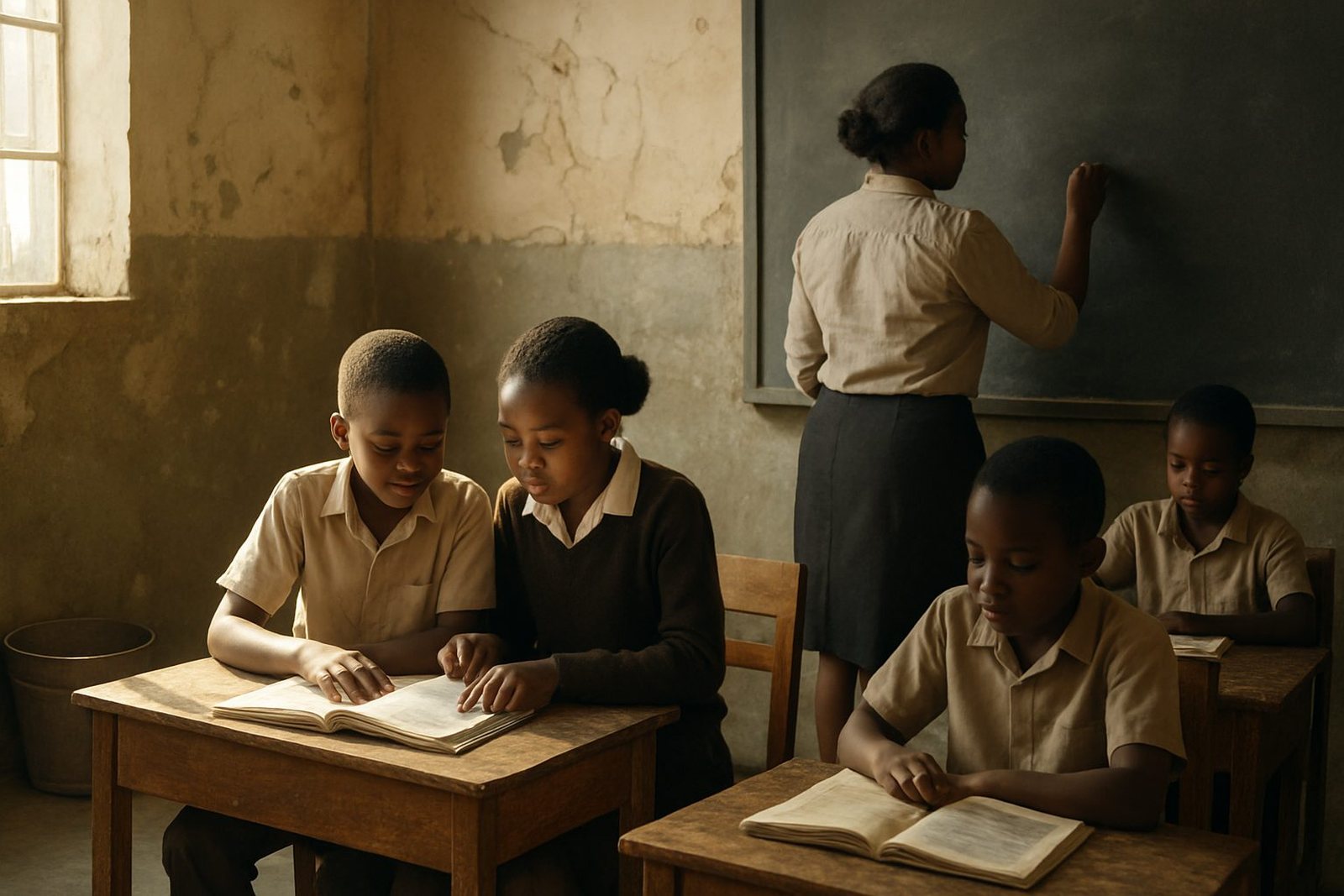
One of the most common mistakes is treating democracy as if it only happens at election time. That approach misses the quieter work of oversight committees, court rulings, municipal accountability, public hearings and the daily pressure of citizens trying to be heard. Another problem is using imported language that sounds grand but says very little, which can make even serious material feel detached from real life.
It is also easy to overstate certainty. Political systems are complicated and fast moving, so a careful producer or editor must avoid jumping from one event to a sweeping claim. For example, a protest, a cabinet reshuffle or a legal ruling might indicate strain, but it does not automatically explain the whole democratic picture.
Common mistakes to avoid include:
- Mixing analysis with endorsements or party talking points
- Using vague claims instead of naming institutions and procedures
- Ignoring local government, which is often where citizens feel democracy most directly
- Leaving out historical context for constitutions, transitions or reform debates
- Publishing without checking dates, titles and official terminology
In places with different media rules and civic expectations, like Nairobi, Accra or Lusaka, the language also needs care. A phrase that sounds harmless in one setting may be read as partisan or careless in another, so editing matters as much as research.
Budget ranges for democracy content planning
Budget depends on how much research, editing and publishing support is needed. A single short episode with light editing will sit at the lower end, while a full topic series with researched essays, detailed show notes and archive work will cost more. In Johannesburg and other major African cities, the practical cost is shaped by turnaround time, source checking and the number of revisions required.
As a working guide, simple democracy commentary for one episode or short essay can start from about R3 500 to R7 500. A more complete package with research support, script development, editing and publishing coordination may range from R9 000 to R18 000. Larger series work, especially where multiple countries are compared and archive management is included, can move into the R20 000 to R35 000 range depending on length and complexity.
That budget usually covers:
- Topic framing and outline planning
- Research notes and source checking
- Episode editing or essay editing
- Audio polishing and show notes
- Scheduling and archive preparation
For teams working through irregular power supply or multiple review rounds, it is sensible to allow a buffer. It is better to plan a realistic budget upfront than to rush a democracy piece and weaken the argument at the end.
What audiences expect from a serious democracy page
People looking for democracy commentary are usually not asking for noise, they want context. They want to know how institutions work, why tensions arise, and what civic participation can actually achieve. The important distinction is between democratic form and democratic practice, which is often where the real debate sits.
For Populism Africa Review, that means creating a steady home for commentaries that are thoughtful, measured and useful across South Africa, Kenya, Nigeria, Ghana and Zambia. The material should be accessible to first-time listeners but still rewarding for people who follow politics closely. That balance takes discipline in scripting, editing and publishing, and it is especially important when the subject touches public trust, accountability and constitutional rules.
If you need support with democracy content, the enquiry form on the contact page is the best way to start. A careful brief makes it easier to plan the episode structure, reading list, editing needs and publication schedule without wasting time.