Project brief from a Johannesburg client
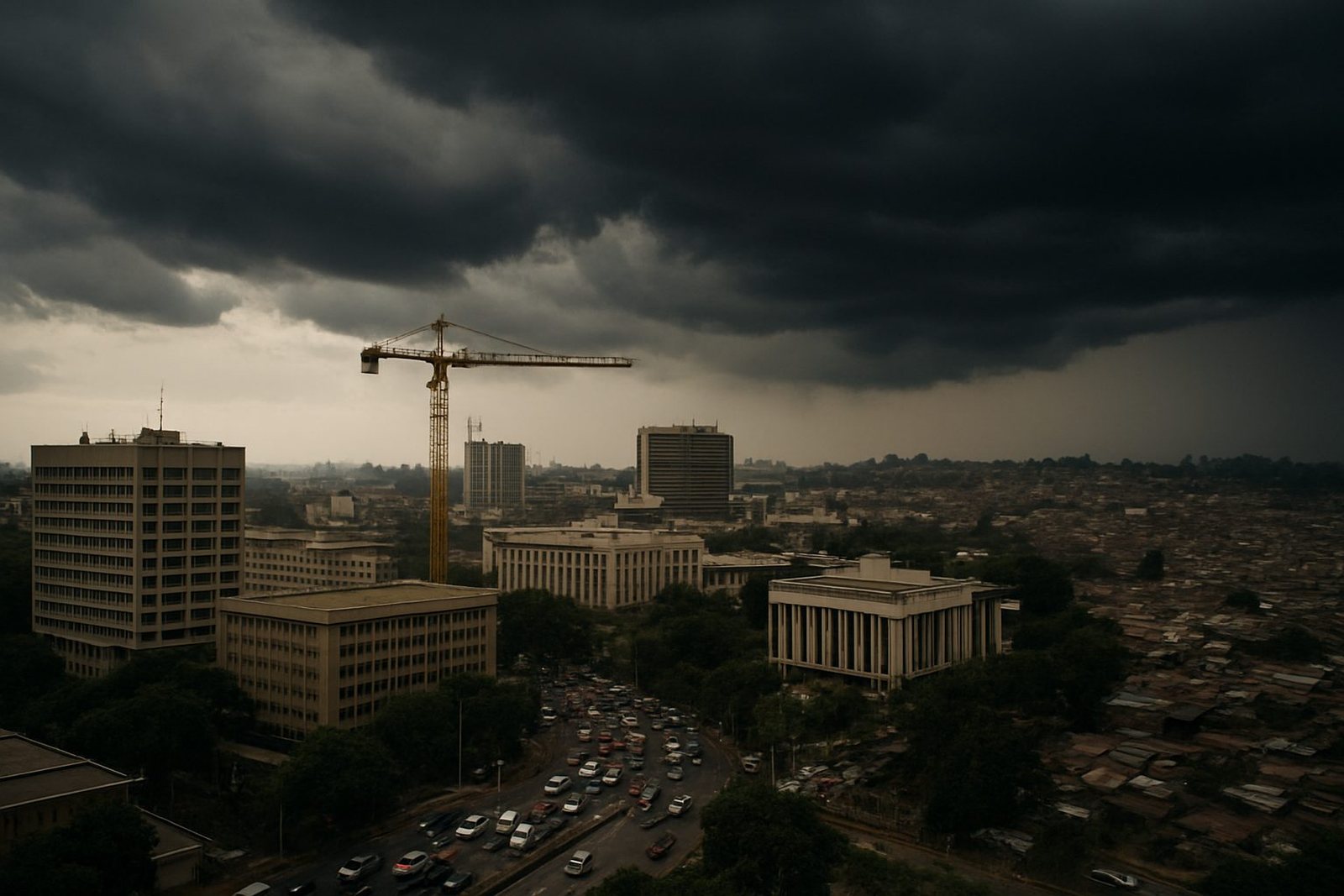
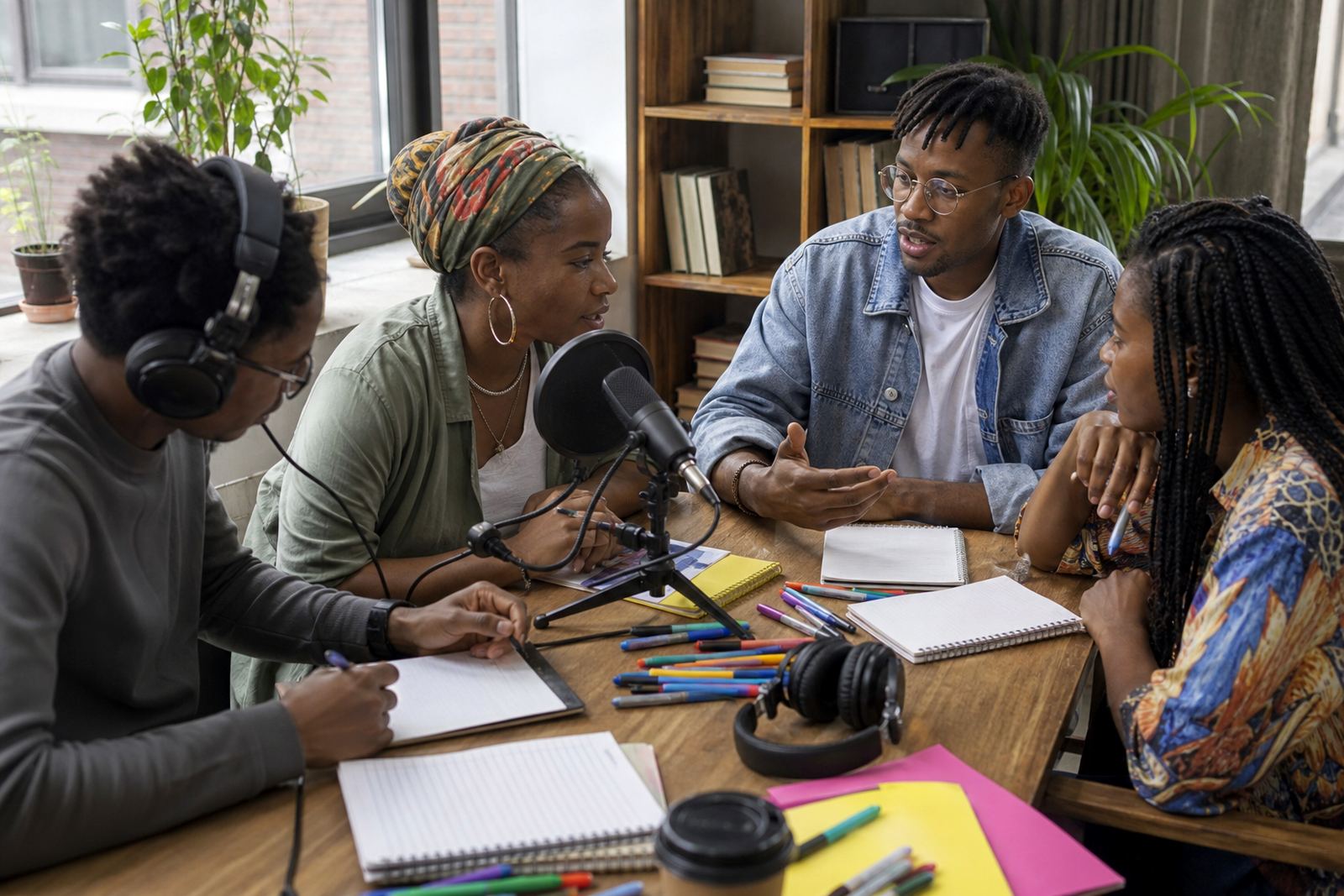
A South African media client in Johannesburg needed a clear, non-partisan series on Zambia for anyone wanting context rather than slogans. The work had to explain how the state works, how civic institutions developed over time, and why historical turning points still matter in day to day politics.
The client wanted a series that could stand on its own as a political education resource. That meant plain language, careful sourcing and a structure that helped audiences follow the links between constitutional rules, party competition, public administration and civic participation without drifting into opinion-led commentary.
- Project type: podcast series with companion essays
- Region covered: Zambia, with context drawn from wider African political history
- Audience: listeners seeking clear political explanation
- Tone: independent, factual and non-partisan
What had to be handled carefully
The main constraint was accuracy without overstatement. Zambia's political history includes periods of constitutional change, shifts in party competition and changes in how institutions have been used and reformed. We had to present those themes in a way that was readable, balanced and useful to someone who might be new to the subject.
We also had to keep the series tightly focused. The client did not want broad Africa-wide generalities or commentary that leaned on names, campaign drama or short-term speculation. The material needed to stay on institutions, civic life and historical change, with no claims about living politicians or party fortunes.
- No partisan framing or endorsement
- No election forecasts or opinion polling claims
- No quotes, interviews or guest features fabricated for effect
- No clutter, just a clear line from history to institutions to civic practice
Research, scripting and editorial support
We began with background research on Zambia's constitutional development, the role of parliament, the presidency, courts, local government and civil society organisations. From there we shaped a series outline that could move logically from historical context into modern civic life. Each episode and essay had a defined purpose, so the series could be followed as a coherent body of work rather than a loose set of reflections.
Our team then prepared scripts, tightened the structure and checked factual references against general public knowledge and accepted historical timelines. We also handled editorial consistency across audio and written material so the language stayed calm, exact and accessible. The result was a series that could be listened to in the car, at home or during a quiet lunch break in Rosebank or Pretoria, with the same clarity in each format.
- Series planning and episode structure
- Script development and rewrite support
- Research support and fact checking
- Essay editing, copy editing and show notes
From pitch to published piece
The project ran over 6 weeks from briefing to final scheduling. The first stage covered scoping and research. The second stage focused on drafting and editorial review. The third stage covered polishing the audio notes, aligning the essays with the episode order and preparing publication scheduling so the release pattern stayed steady.
That pace worked well for a subject that needed care. It gave enough time to test each argument, trim repetition and make sure the series did not rush through complex ideas. It also allowed for archive management, which is important when a political series is meant to stay useful after the first release window passes, especially when audiences may return to earlier episodes for reference.
- Week 1: brief, scope and research plan
- Weeks 2 to 3: script drafting and review
- Weeks 4 to 5: editing, show notes and audio finishing
- Week 6: publication scheduling and archive filing
Key facts we built into the series
The content had to be grounded in the basics that shape Zambian political life. We kept the focus on institutions and civic practice, then linked those basics to historical change in a way that people could follow. That gave students, professionals and general audiences a stronger grasp of how state society relationships work.
In practical terms, that meant using clear definitions, careful transitions and a steady editorial hand. We avoided jargon where possible and explained ideas such as constitutionalism, executive authority, legislative oversight and civic participation in everyday language. A few sentences were reworked more than once because accuracy matters more than speed when the topic is public life.
- Political institutions explained in plain language
- Historical context placed before commentary
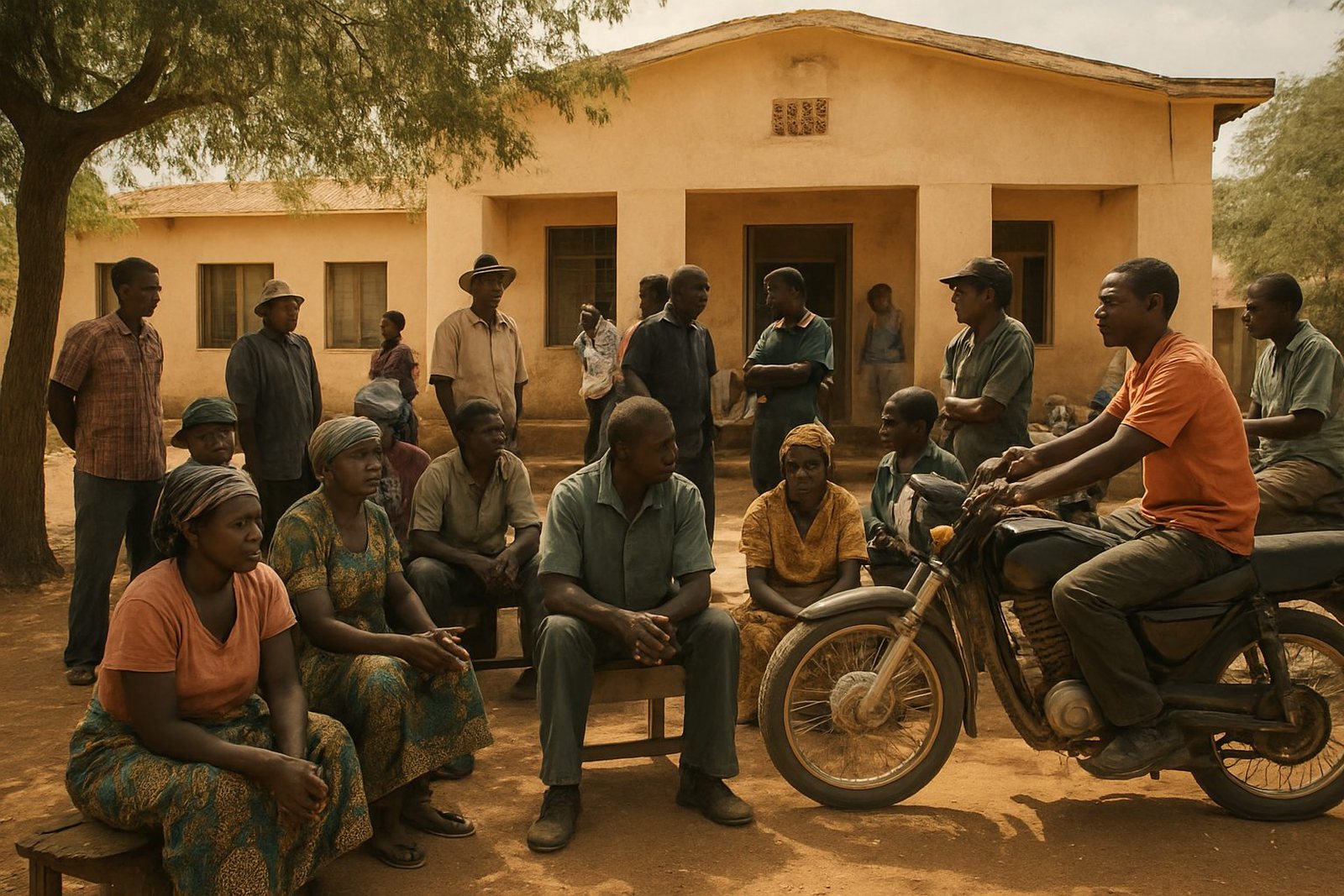
- Civic life treated as a lived daily reality, not an abstract topic
- Neutral wording throughout the scripts and essays
Results and what we would keep
The finished project gave the client a solid Zambia series that could be used across podcast and publishing channels without needing separate content streams for each format. The material was orderly, easy to schedule and simple to archive for later use. It also gave audiences a clearer route into a subject that can often be explained in a way that is either too broad or too narrow.
If we did the project again, we would use the same approach: start with institutions, build the historical line carefully and keep the editorial tone steady from the first outline to the final published piece. That method works well for politically sensitive content because it avoids noise and keeps the focus on what people actually need to understand.
- Clearer audience pathway from context to conclusion
- Consistent editorial voice across audio and written content
- Useful archive material for future reference
- Better reusability for later series on other countries
Why the editors took this commission
This project fit our Johannesburg team because it sits right at the point where research, editing and publication planning meet. Thabo Michael Mabuza oversaw the direction, while Naledi Seakamela, Aisha Daniels, Kwanele Dlamini, Nadia Barnard and Ntando Ndaba each handled a clear part of the process. That made it easier to keep the work organised, especially when several episodes and essays had to line up with one another.
For a topic like Zambia State Society, a steady process matters more than flashy presentation. The subject needs patience, clean writing and a willingness to leave out anything that feels rushed. That is the kind of work we do best, whether the series is aimed at Johannesburg, Lusaka or a wider regional audience.
Key facts
| Project | Zambia State Society |
|---|---|
| Client type | Independent political commentary publisher in Johannesburg |
| Location | Rosebank, Johannesburg, Gauteng |
| Focus | Political institutions, civic life and historical change in Zambia |
| Timeline | 6 weeks from briefing to publication scheduling |
| Services | Podcast Production, Episode Editing, Script Development, Research Support, Fact Checking, Essay Editing, Copy Editing, Audio Mastering, Show Notes, Series Planning, Publication Scheduling, Archive Management |