Project brief from Rosebank, Johannesburg
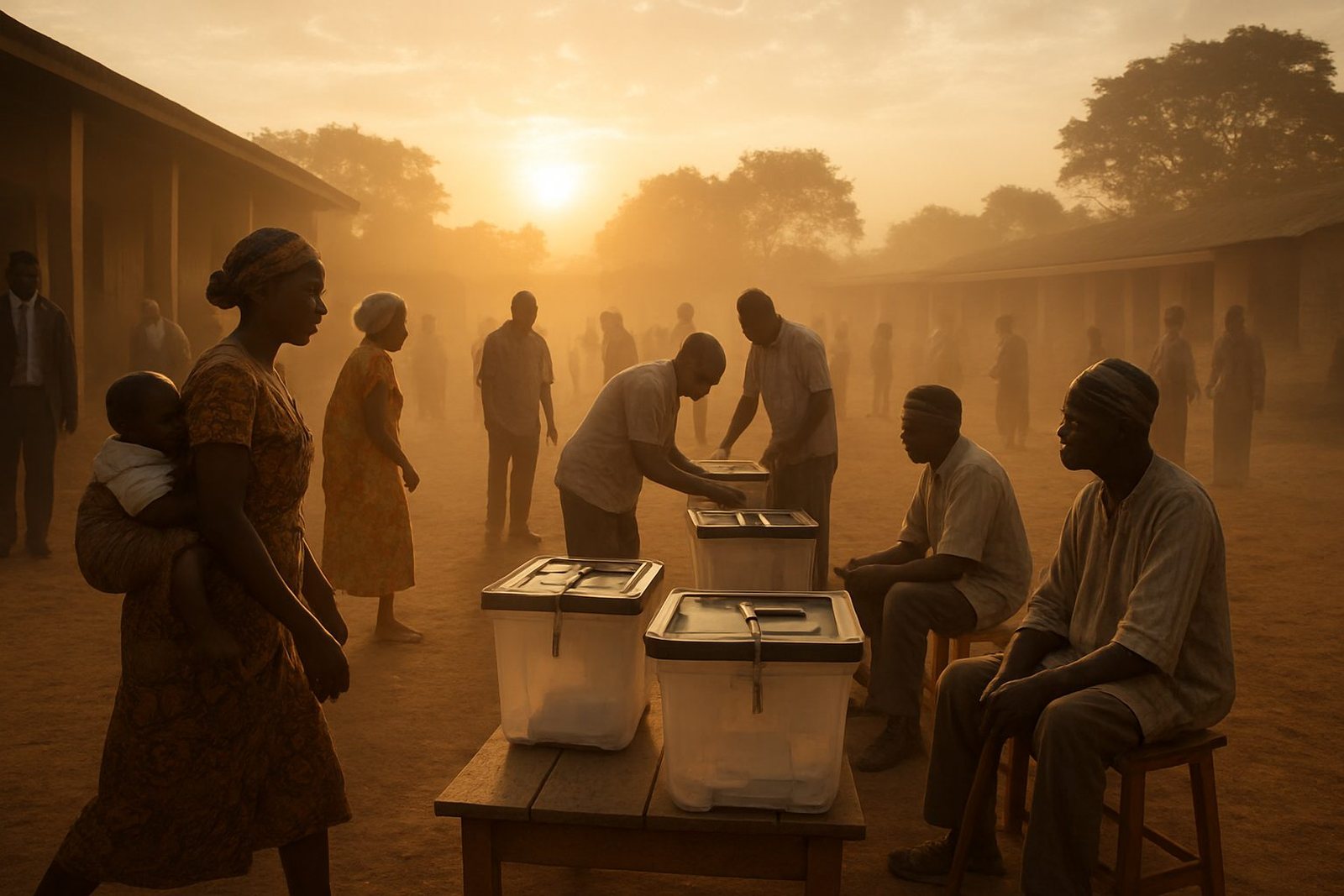
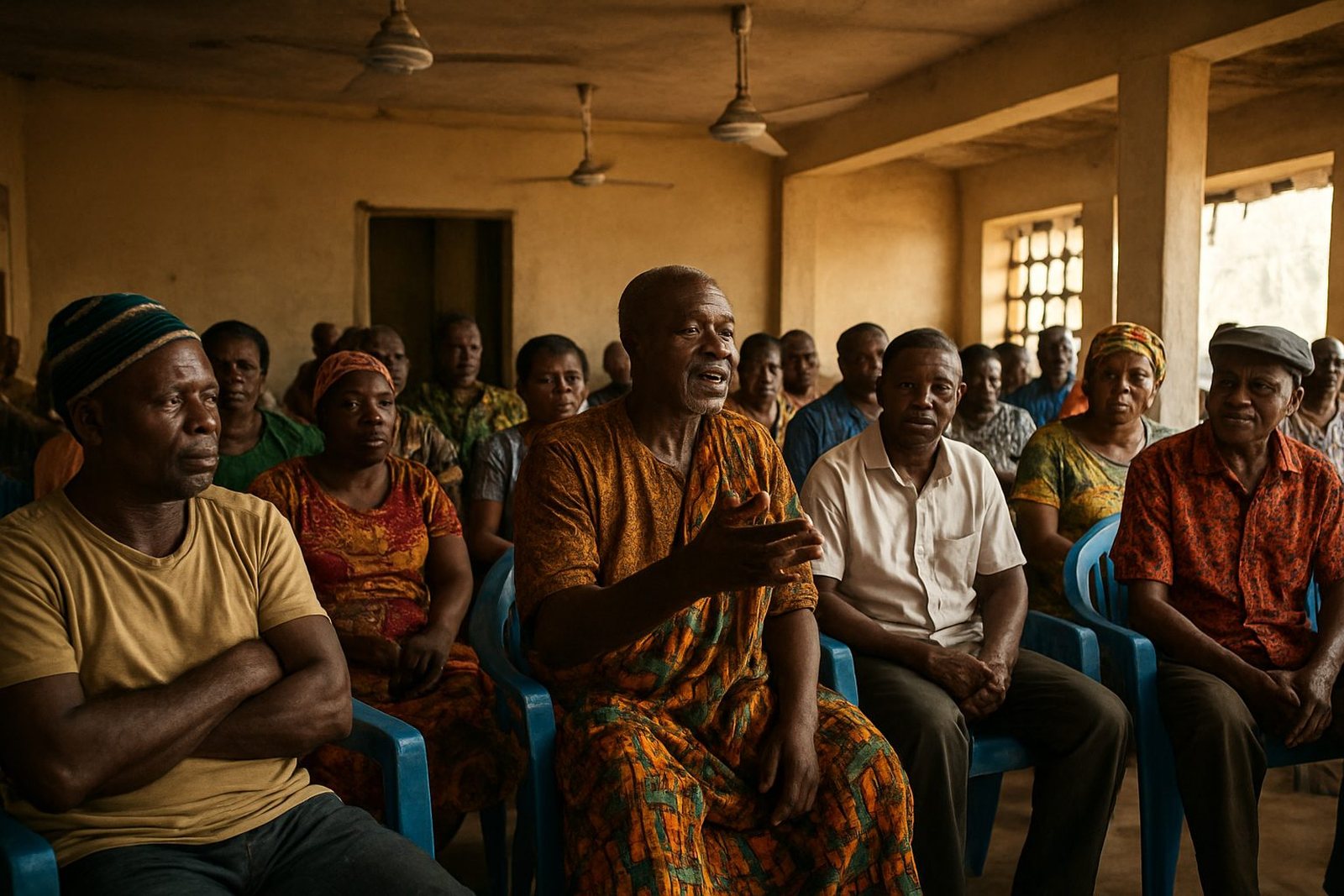
The series connected older political records with present-day public debate without slipping into party language or commentary that favours any side. Its reach extended across Johannesburg and Pretoria, with a wider regional audience in South Africa, Kenya, Nigeria, Ghana and Zambia looking for grounded analysis of how politics is remembered, recorded and retold.
The brief called for clear writing on archives, memorial culture, institutions and political storytelling. It also had practical limits. No fabricated interviews, no made-up polls, no claims about named living politicians, and no election forecasting. The tone had to stay steady and informative, with enough depth for people who already follow politics while still accessible to someone arriving through a podcast episode or essay for the first time.
How we shaped the editorial direction
The series needed structure because the topic can easily drift into opinion without context. We worked with the team to set a format that could move from historical memory into current institutions, then back again to show why archives still matter in public life. The approach was practical: explain the idea first, then show how it appears in real political systems and public culture across African countries.
- Series theme built around memory, archives and civic understanding
- Editorial scope set across South Africa, Kenya, Nigeria, Ghana and Zambia
- Strictly non-partisan framing with no electoral prediction
- Language kept clear across podcast episodes and essays
That meant every episode outline and essay plan had to answer the same question: what does this historical record tell us about how political power is remembered, challenged or preserved? The result was calm, careful writing that could hold complexity without sounding academic or vague.
What we supplied and how it was managed
We supported the project across podcast production and publishing work. That included script development, research support, fact checking, essay editing, copy editing, audio mastering, show notes, series planning, publication scheduling and archive management. The team also worked through how to present source material in a way that respected the limits of the brief and kept the commentary useful for a public audience.
Because the series dealt with political memory, consistency mattered. We checked references, tightened wording, and made sure each piece had a clean path from historical detail to present-day relevance. The publishing side was handled so episodes and essays could land in a steady sequence, which helped the audience follow the argument from one instalment to the next.
- Research notes aligned to the episode and essay outline
- Fact checking against public records and general historical sources
- Copy and essay edits for clarity, tone and accuracy
- Audio and publication preparation for a regular release flow
Timeline and working rhythm
The project ran over 8 weeks. The first two weeks were used for scoping, source gathering and a structure for the series. Weeks 3 to 5 focused on script development, research checking and early editing. The final part of the schedule covered audio finishing, show notes, publication timing and archive organisation so the material could be kept in order for future use.
Working across podcast and publishing formats meant the pace had to stay disciplined. Audio takes time, and so does careful political writing. We kept the workflow practical, with one round feeding the next instead of trying to rush everything at once. That made it easier to catch small errors early and keep the series consistent from start to finish.
Results for the audience and the publisher
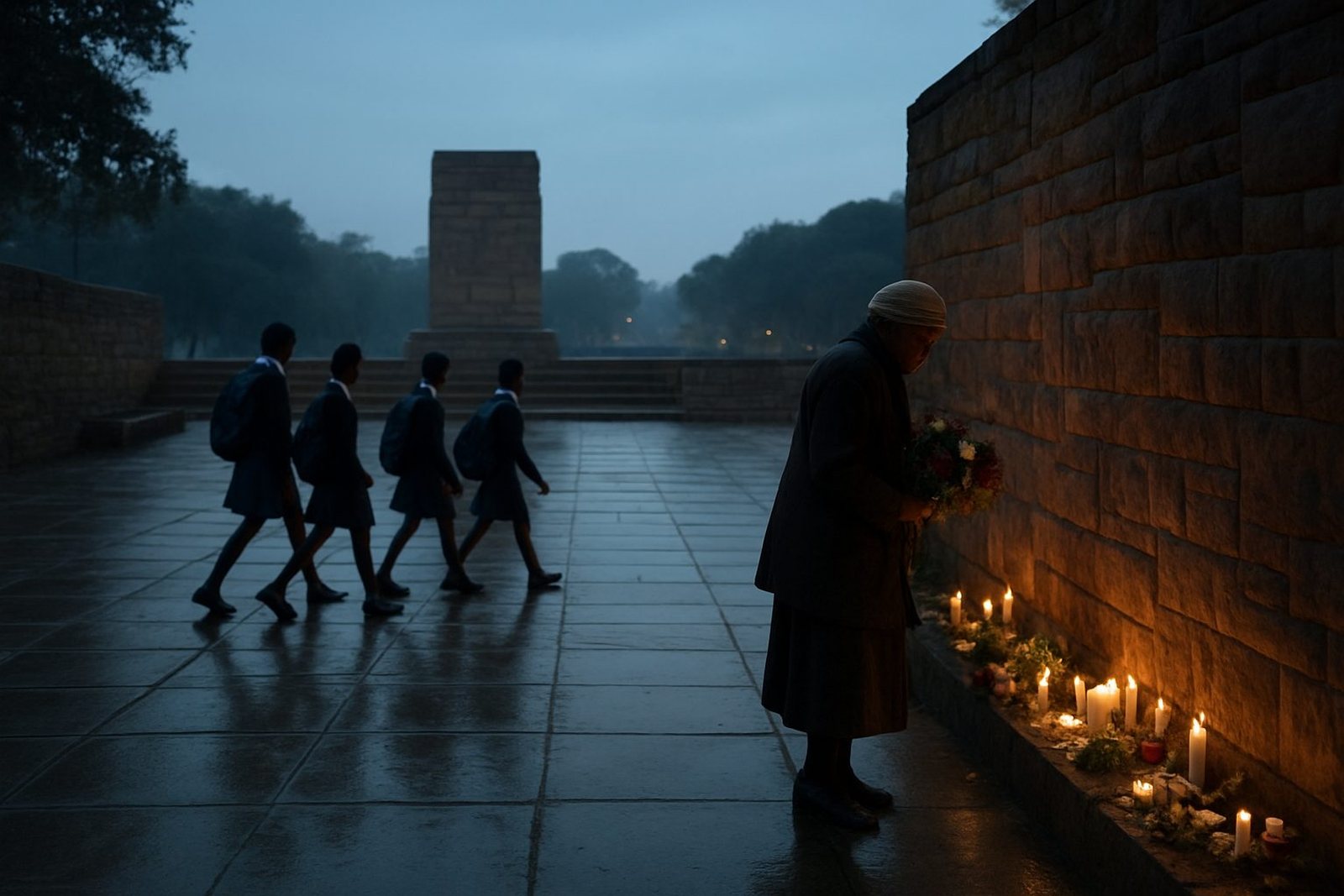
The finished series gave Populism Africa Review a clear, repeatable way to discuss politics through memory and history rather than through partisan reaction. It strengthened the sense of why archives, memorial sites and public records still matter in African political life. The work also gave the publisher a cleaner archive structure for later reuse, which is useful when a series has to stay accessible over time.
For a commentary platform, the benefit is not only the finished episode or essay. It is also the editorial discipline behind it. The project helped strengthen a format that can be used again for other topics where history, institutions and public debate overlap. There was no need for hype, just steady work and proper checking, which is what the subject needed.
Kept for the next series
We would use the same approach again for any politically sensitive series that needs clarity without partisanship. The combination of structured research, measured scripting and careful publication planning worked well for this kind of topic. It also suited a team based in Rosebank serving audiences across Gauteng and beyond, where political discussion often crosses city, language and national lines.
If we were starting the project again, we would keep the same core process and make sure the archive plan is set from day one. That saves time later, especially when a series needs to be reused, expanded or revisited after new political developments.
- Keep the non-partisan framing from the first outline
- Build the archive structure alongside the first scripts
- Separate research checking from final publication scheduling
- Leave enough time for audio and text review before release
Key facts
| Project type | Independent political commentary podcast and essay series |
|---|---|
| Client base | Rosebank, Johannesburg |
| Audience region | South Africa, Kenya, Nigeria, Ghana and Zambia |
| Timeline | 8 weeks |
| Core services | Podcast Production, Script Development, Research Support, Fact Checking, Essay Editing, Audio Mastering |
| Team | Thabo Michael Mabuza, Naledi Seakamela, Aisha Daniels, Kwanele Dlamini, Nadia Barnard, Ntando Ndaba |