Project brief from Rosebank, Johannesburg
Populism Africa Review is an independent political commentary platform based in Rosebank, Johannesburg, with an audience reaching South Africa, Kenya, Nigeria, Ghana and Zambia. The Elections Series explains voting systems, electoral administration and democratic legitimacy in a way that is useful to ordinary people, students and civic-minded audiences. The content sits comfortably between podcast episodes and longer written essays while staying careful, factual and non-partisan.
The brief also needed to work across different political systems. That meant keeping the language general enough to travel across countries, but specific enough to explain the basics properly. We were asked to avoid party politics, avoid making claims about living politicians, and avoid any forecasting about election outcomes. The result had to be calm, readable and grounded in civic education, with enough structure for a series that could be published steadily over time.
How we shaped the series
We started by mapping the main questions that people usually ask when an election approaches: who runs the vote, what makes a ballot valid, how results are verified, and why people accept an outcome even when they disagree with it. From there, we built a series outline that broke the topic into manageable parts instead of trying to explain everything in one long piece.
The editorial approach was practical. Each episode or essay needed to answer one clear question, use plain English and avoid jargon where possible. When technical terms were needed, we explained them in context rather than leaving the reader to guess. We also kept the tone steady and measured, because election material can become noisy very quickly.
- Series structure built around core civic questions
- Plain language for mixed audiences across Africa
- No partisan framing, endorsements or predictions
- Suitable for podcast episodes, essays and show notes
Research, fact checking and editorial control
Because the subject touches on law, institutions and public trust, we gave the research stage extra weight. The team checked general electoral concepts against established civic and constitutional knowledge, then made sure the wording stayed neutral. We did not use made-up figures, polls or quotes, and we kept clear boundaries around what could be said about present-day politics in different countries.
Our research lead and editor worked through drafts together to keep the explanations accurate and easy to follow. That included checking terms like proportional representation, first-past-the-post, electoral commission, voter roll, constituency, ballot spoilage and legitimacy. Where a concept could be misunderstood, we rewrote the passage in simpler language. The finished writing kept the meaning intact while making the series easier to share with people who may not follow political reporting every day.
- Fact checking focused on electoral process and public institutions
- Editorial review for neutrality and clarity
- Copy editing for grammar, flow and consistency
- Final proofing before publication scheduling
Podcast and publishing support
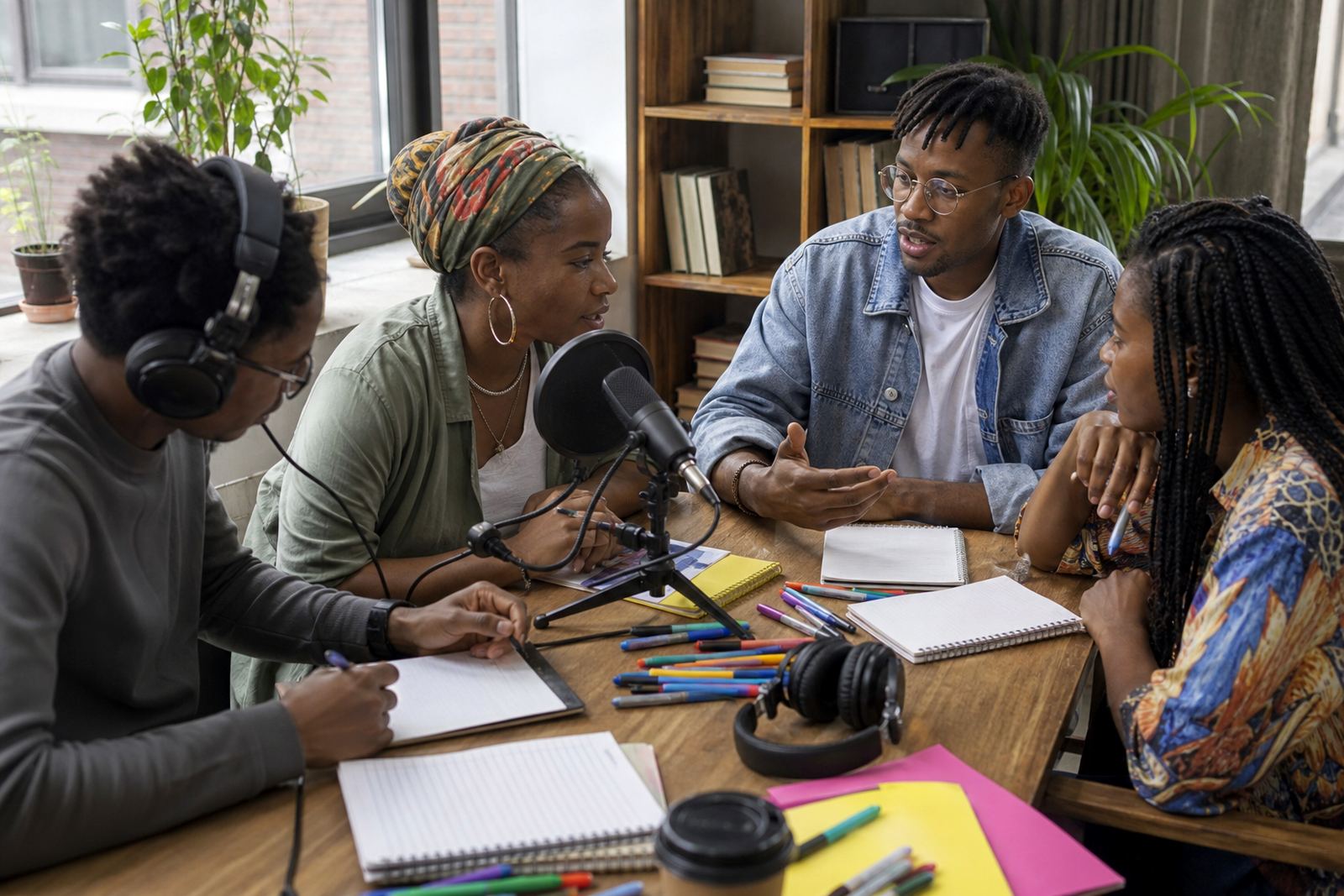
The series was not only written, it was packaged for release across a publishing platform and podcast workflow. That meant preparing scripts that could be read naturally, editing audio so the delivery stayed clean, and writing show notes that helped listeners follow the main points afterwards. We also prepared publication schedules so the series could be released in a sensible order rather than as isolated items.
Our podcast producer and publishing coordinator handled the practical side of the roll out. This included episode editing, audio mastering, show notes, archive management and timing for publication. We kept the materials consistent so the same series could work as a podcast, as essays and as a reference collection for future use. The final output gave the project a clear editorial identity without making it feel overproduced or overcomplicated.
Timeline, scope and working pace
The project ran over 8 weeks from outline to final delivery. The first stage was planning, followed by research and script drafting, then editing and final publication preparation. We worked in short rounds so the team could review language, confirm structure and tighten the explanations before anything went live. That schedule gave enough time to deal with sensitive wording carefully, which matters when a series is dealing with elections and public trust.
In practical terms, the work covered a full editorial stack rather than just writing. It also had to suit the realities of a Johannesburg base with regional audience reach, where delivery schedules need to hold up across different time zones and working patterns. The process was steady, not rushed, and that helped keep the series clear and consistent from start to finish.
- Duration: 8 weeks
- Format: podcast scripts plus essays and show notes
- Coverage: electoral systems, administration and legitimacy
- Audience: South Africa, Kenya, Nigeria, Ghana and Zambia
Kept for the next series
This project showed the value of building political education content in layers. We would use the same approach again for any client who needs to explain public institutions without sliding into opinion-led commentary. The strongest part of the process was the combination of research discipline and clean editorial structure, which made the series easier to understand and easier to publish regularly.
For a future series, we would keep the same workflow: careful briefing, topic mapping, neutral drafting, fact checking and final scheduling. We would also continue to make space for regional examples without forcing comparisons that do not fit. That balance helps content stay relevant in Johannesburg, Nairobi, Lagos, Accra and Lusaka while keeping the focus on ideas rather than personalities. It is a good fit for audiences who want better context before they form a view.
Key facts
| Client type | Independent political commentary publisher |
|---|---|
| Base | Rosebank, Johannesburg |
| Project | Elections Series |
| Scope | Podcast production, essay development and editorial support |
| Timeline | 8 weeks |
| Coverage | Voting systems, electoral administration and democratic legitimacy across Africa |