Why the series was commissioned
The series opens a focused conversation on how public language affects ordinary life. It explains multilingual politics in plain terms, while giving enough depth for people who follow government, civic life and media across the region.
Language Public Life was intended for audiences in Johannesburg, Pretoria, Soweto and further afield in Nairobi, Lagos, Accra and Lusaka. The topic needed to stay grounded in general political ideas rather than party debate. It also had to avoid slogans and personality-led commentary, because the core issue was not who said what, but how language choices influence inclusion, access to services and who gets heard in official spaces.
We treated the project as both a public education series and a publishing exercise. That meant the writing had to work on page and in audio, with clean structure, careful sourcing and wording that would stand up to scrutiny. The client wanted a series that could explain why translation matters in state communication, and why multilingualism is more than a ceremonial gesture.
What had to be handled carefully
The main constraint was neutrality. The series had to explain language policy, communication rights and institutional practice without drifting into support for any named politician or party. We also had to avoid fabricated claims, personal anecdotes and any statement that could be read as a forecast about elections or public opinion.
The series stays accessible to people with different levels of familiarity, from policy students to everyday listeners who want to understand why notices, speeches and public hearings are not always accessible in the same way. That required a balance between context and clarity. The language stays direct and avoids academic clutter where possible.
- Non-partisan editorial tone across every episode and essay
- General knowledge only, with no quotes or claims about living politicians
- Clear handling of translation, inclusion and public communication
- Suitable for a regional audience across South and East, West and Southern Africa
- Written and spoken formats had to carry the same core argument
What we supplied and produced
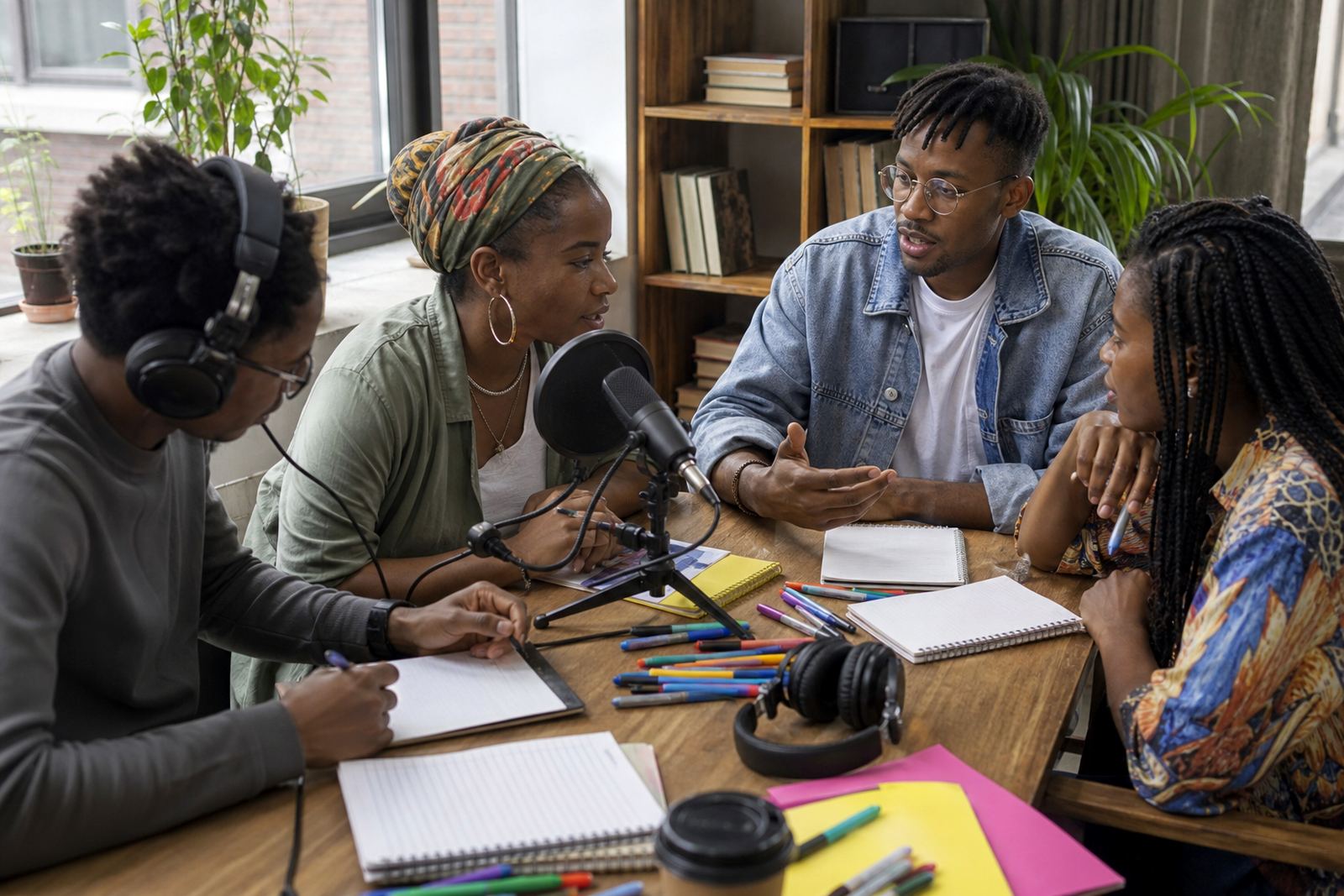
We developed the series structure, then handled the full writing and publishing workflow. That included episode ideas, script development, research support, fact checking, essay editing, copy editing, show notes and publication scheduling. The audio side was produced for clarity and steady pacing, with mastering done so the material could be listened to on phones, laptops and in lower-bandwidth settings without sounding uneven.
The project also needed archive discipline. Because the series revisited related themes over more than one release, we organised notes, draft versions and final copy so the material could be reused properly in future publishing. That made it easier to keep terminology consistent, especially where the series referred to public institutions, interpretation, school language policy and municipal communication.
Our team in Rosebank worked on the project over six weeks from first outline to final release. Thabo Michael Mabuza guided the overall direction, Naledi Seakamela led editing, Aisha Daniels handled podcast production, Kwanele Dlamini carried the research work, Nadia Barnard managed publishing, and Ntando Ndaba handled audience and partnership coordination. The process was practical and fairly tight, with each stage signed off before the next one began.
Key topics covered in the series
The series looked at language as a matter of access, not just identity. We focused on the idea that a state can be formally multilingual and still leave people behind if notices, hearings, forms and service lines are not translated well or delivered in the languages people use every day. That point was handled through general political history and institution-level explanation rather than current headlines.
- How multilingual constitutions and language policies are meant to work in public life
- Why translation in government communication affects participation and accountability
- The difference between symbolic recognition and practical inclusion
- How schools, municipalities and public broadcasters shape language access
- Why interpretation and plain language matter in hearings, clinics and service centres
- How publishing can support public understanding without taking sides
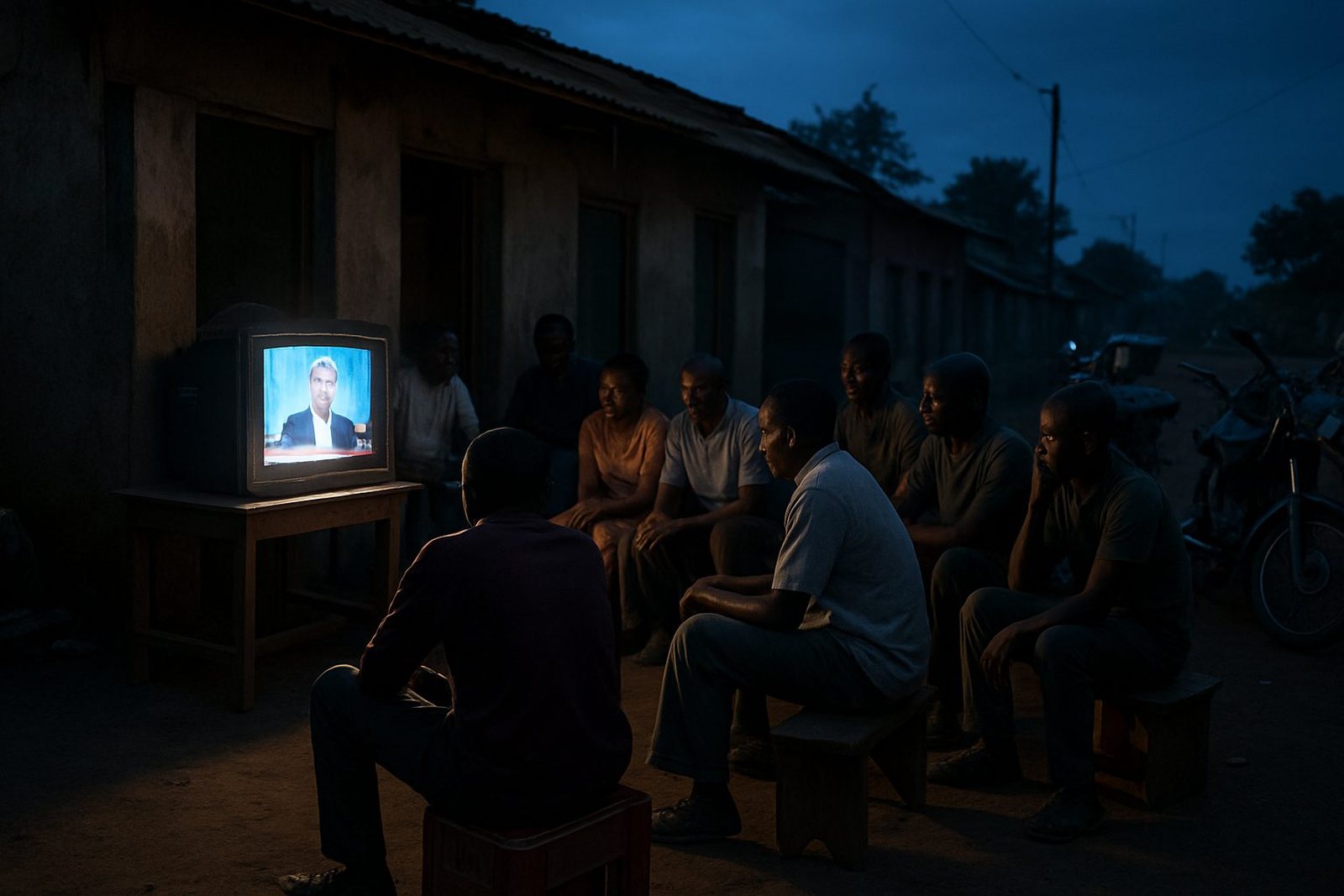
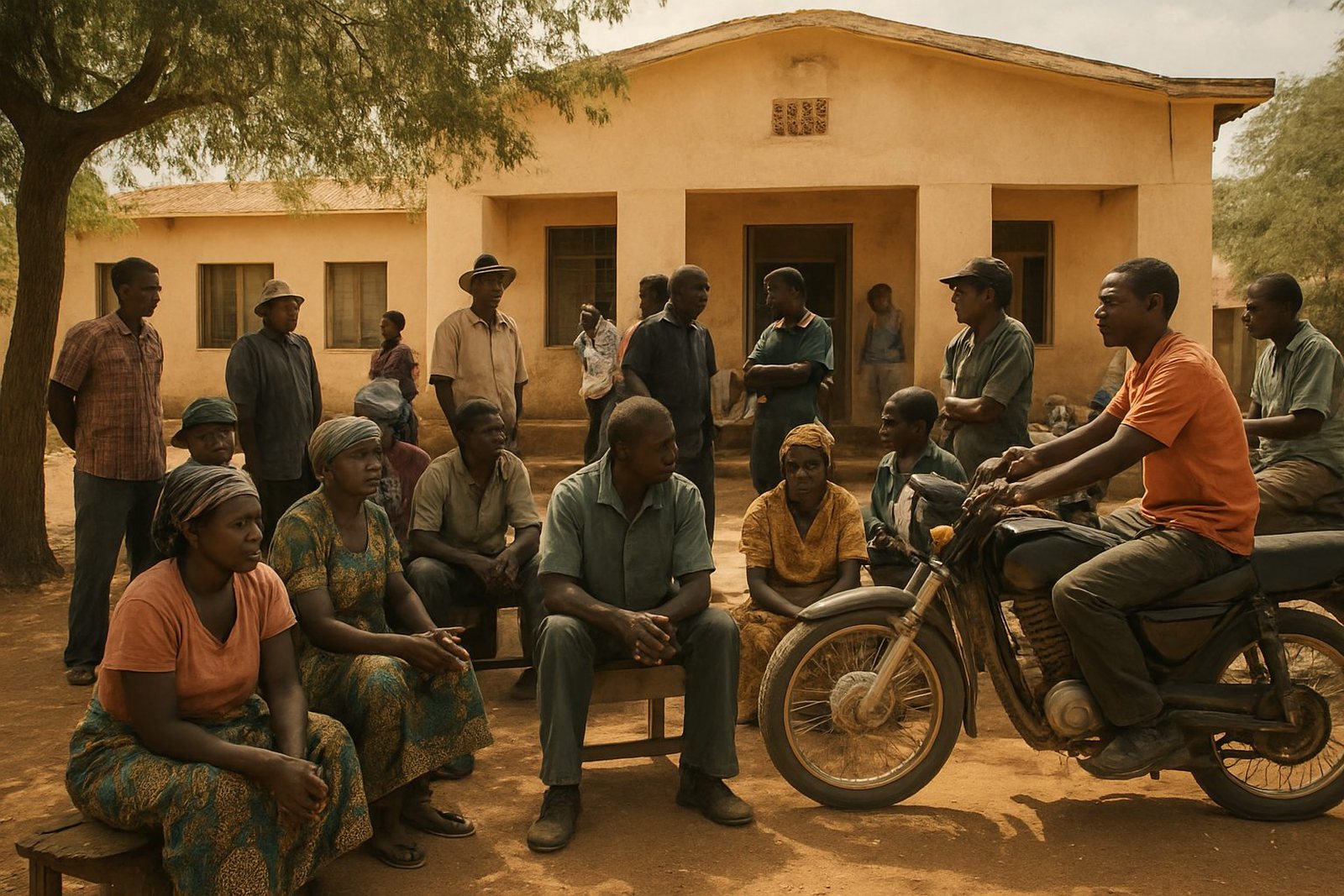
We kept the discussion anchored in examples that are easy to recognise across African cities. A municipal notice that is too technical, a hearing that moves too fast for interpretation, or a public message that arrives only in one language can all limit participation. Those are ordinary problems, but they have political consequences.
Results and practical value
The finished series gave the client a clear editorial asset that could be used across podcast platforms and long-form publishing. It added a focused strand to their broader political coverage and gave audiences a way to think about language as part of democratic practice rather than as a side issue. The result was a series that read cleanly, sounded considered and stayed within the non-partisan brief.
It also worked well as a reference point for future coverage. Because the writing was structured around general concepts, not current personalities, the series could be revisited when similar questions come up in public administration, education or media policy. That matters in a region where language debates often repeat in different forms, with different official settings and local expectations.
- One clear series theme that could be expanded later
- Reusable scripts, notes and archive files for follow-on publishing
- Audio and text versions aligned for consistent messaging
- Workable for audiences in Johannesburg, Gauteng and other African cities
- Content stayed suitable for public discussion without partisan drift
Kept for the next series
Political explanation without party positioning works best when it starts with a narrow question, defines the terms early and keeps the writing close to public life. That keeps the material useful and avoids overcomplicating a subject that is already difficult for many people.
We would also keep the same production rhythm. A six-week timeline was long enough to research properly and short enough to keep the series current. It allowed for drafting, review, audio edits and publication scheduling without rushing the work at the end. In a project like this, that balance matters. A good political series should sound calm, not crowded.
For future language and inclusion projects, we would again pair essay writing with podcast production. The combination gives the client two ways to reach the audience, and it helps the topic move between analysis and everyday understanding. That practical mix was the right fit for Language Public Life, and it is the model we would use again if the brief called for similar work.
Key facts
| Project | Language Public Life |
|---|---|
| Client type | Independent political commentary publisher |
| Base | Rosebank, Johannesburg |
| Timeline | 6 weeks |
| Coverage | South Africa, Kenya, Nigeria, Ghana and Zambia |
| Services | Podcast Production, Episode Editing, Script Development, Research Support, Fact Checking, Essay Editing, Copy Editing, Audio Mastering, Show Notes, Series Planning, Publication Scheduling, Archive Management |