What Opposition Roles Covers
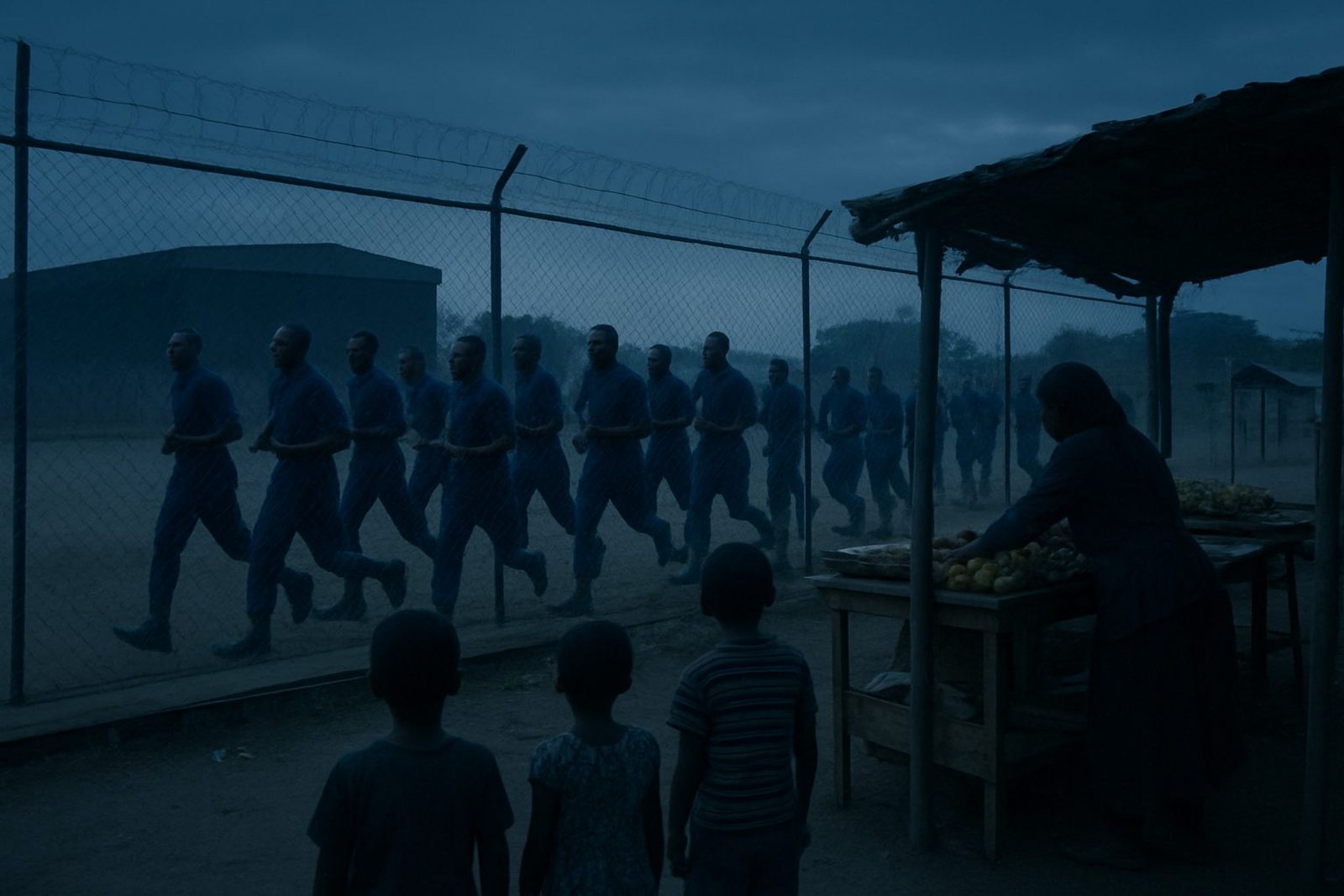
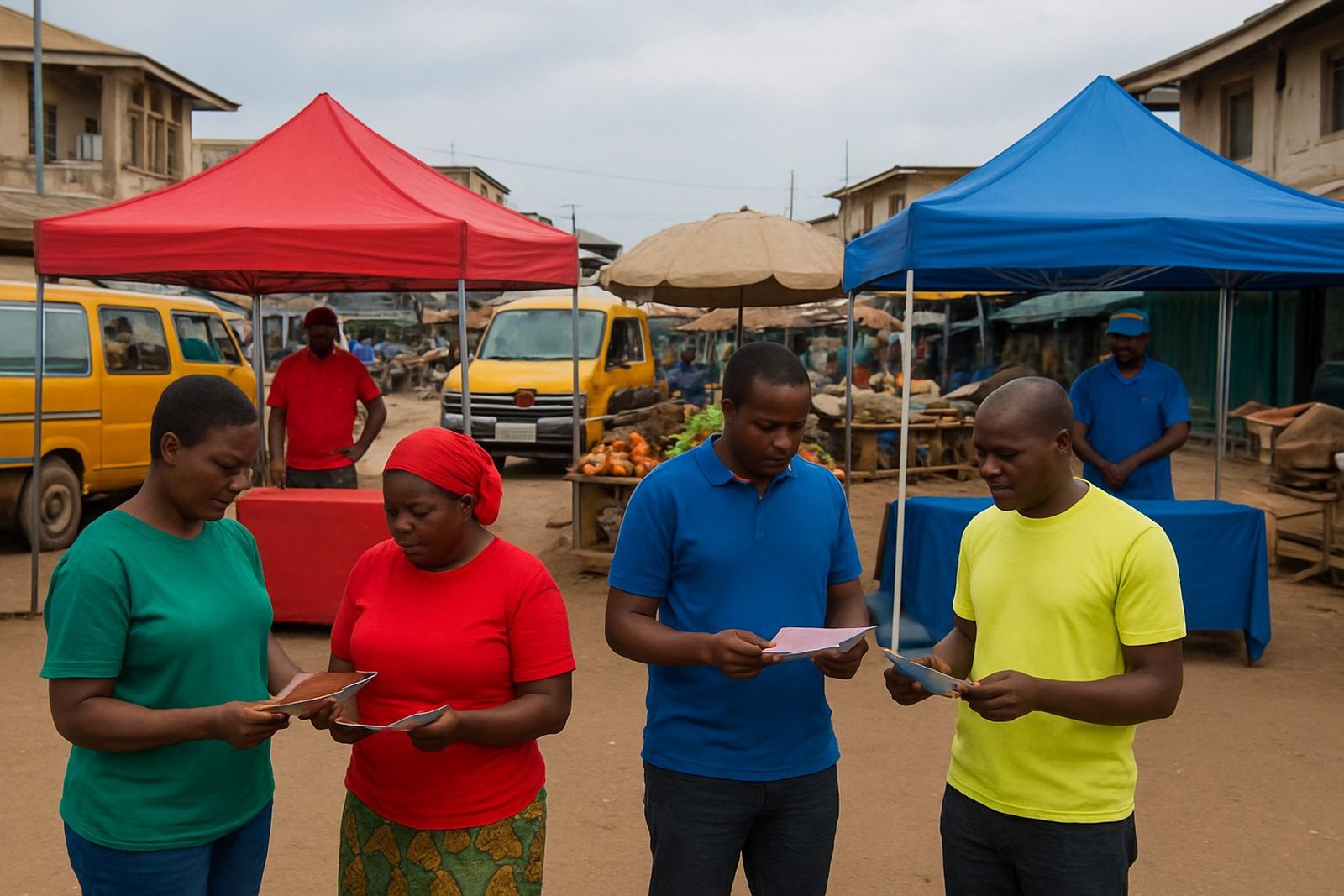
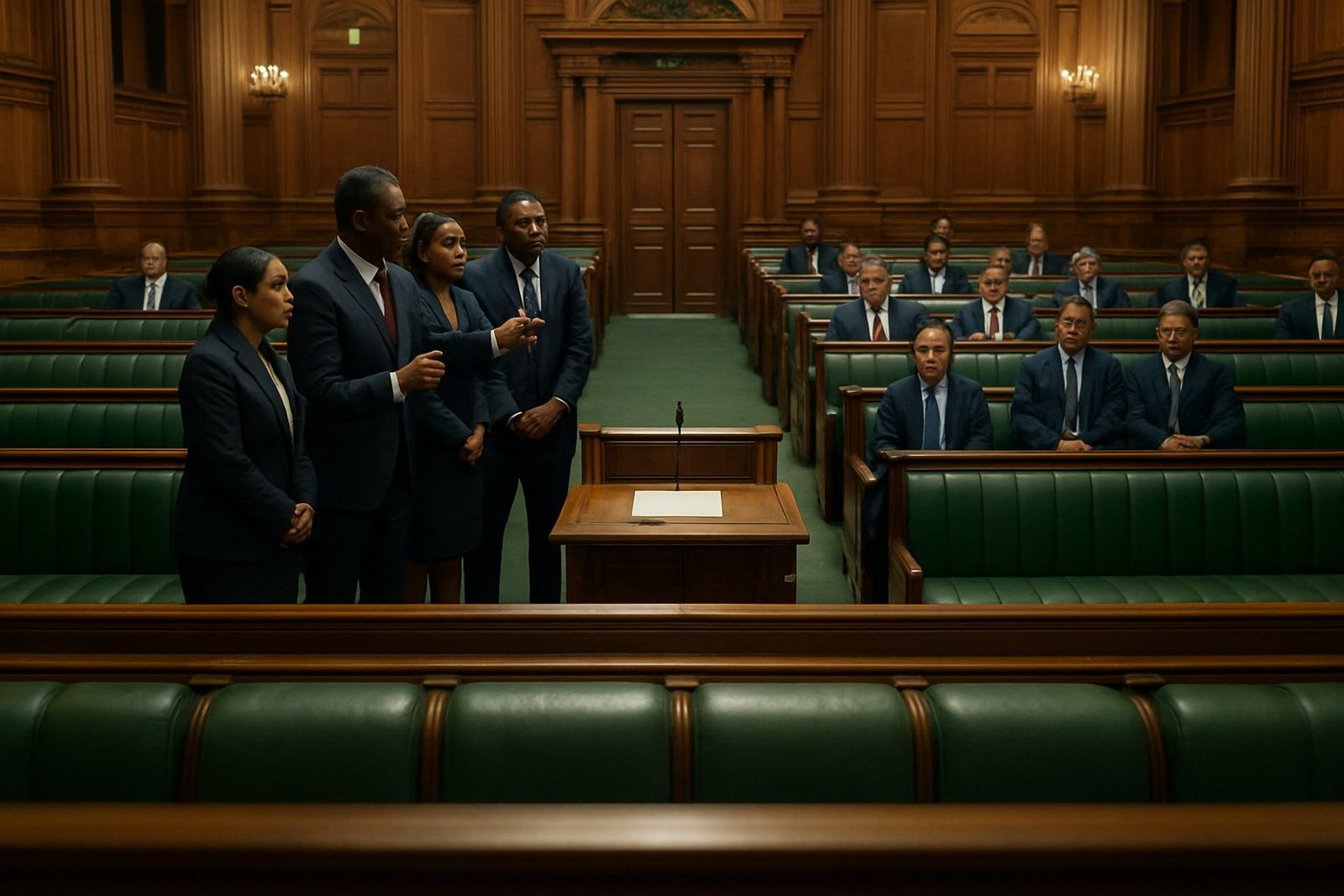
This episode looks at opposition as a normal part of democratic life, not as a slogan or a side issue. It explains how opposition parties, civic voices and parliamentary minorities can question executive power, test policy claims and offer another route for voters to compare ideas. The discussion is grounded in general political history and institutions, with examples drawn from South Africa, Kenya, Nigeria, Ghana and Zambia.
It suits listeners who want to understand why opposition matters in cabinets, legislatures and public debate. We keep the tone practical and non-partisan, so the focus stays on roles, checks and the limits of power rather than on personalities. That makes it useful for students, policy watchers and community leaders who need a steady overview.
- Explains scrutiny, accountability and alternative policy positions
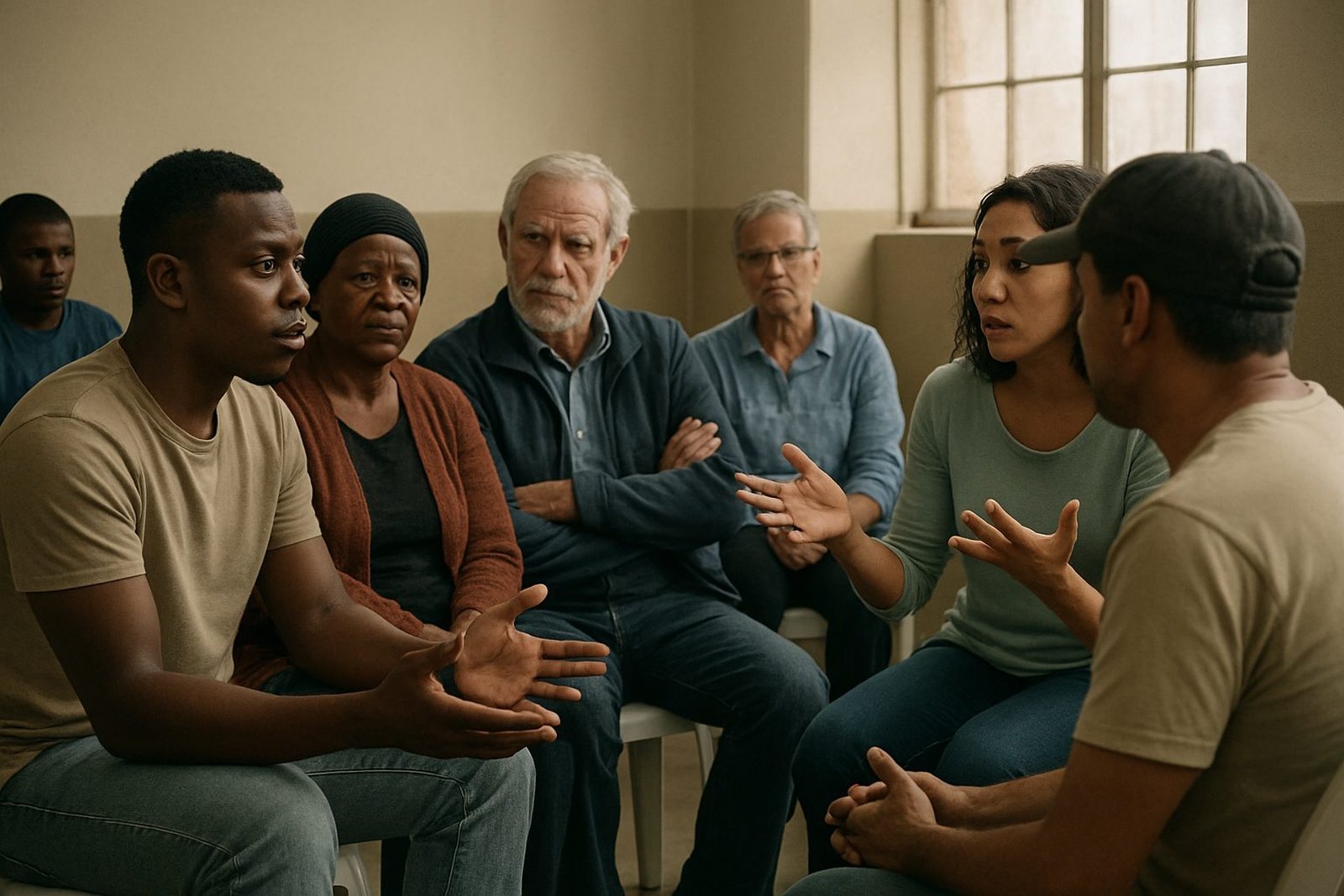
- Sets out the difference between opposition in parliament and opposition in civic life
- Shows how constitutions, standing rules and public hearings shape debate
Best Fit by Audience and Setting
Opposition Roles works well for anyone following politics from Johannesburg, Pretoria, Soweto and the wider Gauteng area, as well as regional audiences in Nairobi, Lagos, Accra and Lusaka. It is especially useful when context is needed before a committee meeting, a campus seminar, a newsroom briefing or a public dialogue. The episode is written so it can be followed without needing specialist training.
The format also suits institutions that need balanced background material for internal discussions, civic education sessions or training workshops. If your audience is trying to understand how to disagree well in public life, this episode gives a calm entry point. It is not a campaign piece and it is not built around breaking news, so it remains relevant after the immediate headlines have moved on.
- Good for schools, colleges, libraries and civic groups
- Useful for podcast listeners who prefer clear, structured explanation
- Fits panel discussions, reading groups and briefing packs
Format, Sizes and Options
The standard version is a focused audio episode with supporting notes, while longer options can include a companion essay, expanded show notes and a short reading guide. For teams that want a tighter listen, the core episode can be cut to a concise edition of around 18 to 25 minutes. For deeper coverage, a long-form version of 35 to 50 minutes allows more room for institutional detail, historical context and comparisons across countries.
We can also package the content as a series opener, a stand-alone explainer or part of a broader season on democratic systems. If needed, the same topic can be prepared as an edited transcript for publication. That helps when an audience prefers reading over listening, or when a partner wants both audio and text from one brief.
- Short episode: 18 to 25 minutes
- Standard episode: 25 to 35 minutes
- Long-form episode: 35 to 50 minutes
- Add-ons: essay edit, copy edit, show notes and archive tagging
Formats and access
Good care begins with the script. The episode should be checked for clarity, balanced argument and accurate use of terms such as legislature, executive, majority, minority and oversight. After recording, editing removes long pauses, repeated phrases and technical noise while keeping the speaker’s meaning intact. Fact checking is especially important where the topic touches on constitutions, electoral systems and legislative procedure across different countries.
For ongoing servicing, archive the final mix, transcript and show notes in a labelled folder structure so the material can be reused later. This is useful for series planning, future updates and classroom use. If the episode is part of a broader publishing schedule, set a review cycle so older references can be checked against changes in law or procedure.
- Check for factual accuracy before publication
- Store final audio, transcript and notes together
- Review terms and examples if the episode is reused later
What to Check Before Ordering
Before you place an order, confirm the angle, target length and level of detail you want. Decide whether the episode should lean toward institutional explanation, historical background or practical civic education. It also helps to state which countries should be mentioned so the script stays focused and does not drift into unrelated examples. For a non-partisan output, the brief should be clear on tone, audience and the amount of commentary allowed.
For a commentary brief, write to Populism Africa through the contact page form with your topic, format and deadline, and we use that first brief to confirm scope, timing and delivery format. Populism Africa Review is based in Rosebank, Johannesburg, with work that reaches audiences across Gauteng and beyond. Our team includes Thabo Michael Mabuza, Naledi Seakamela, Aisha Daniels, Kwanele Dlamini, Nadia Barnard and Ntando Ndaba, and the process is handled with the same care whether the request is for audio, essays or archive support.
- Confirm episode length, format and publication use
- State the countries or institutions to be covered
- Specify whether you need audio only, text only or both
- Check the turnaround time and review process before approval
Key facts
| Topic | Opposition roles in democratic systems |
|---|---|
| Format | Podcast episode with optional essay and show notes |
| Length | 18 to 50 minutes depending on version |
| Coverage | South Africa, Kenya, Nigeria, Ghana and Zambia |
| Production | Script development, recording, editing and mastering |
| Delivery | Audio file, transcript, archive copy and publication notes |