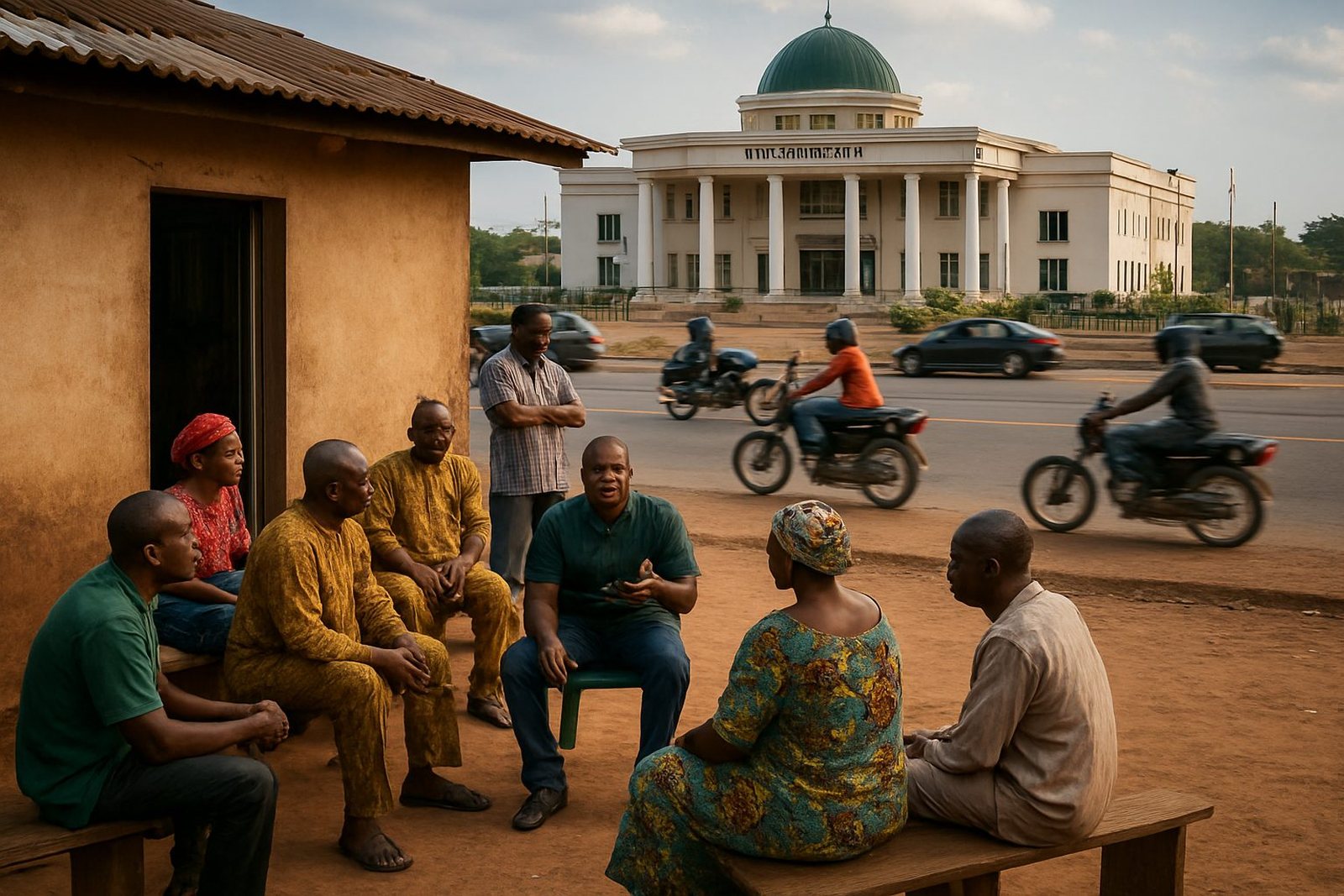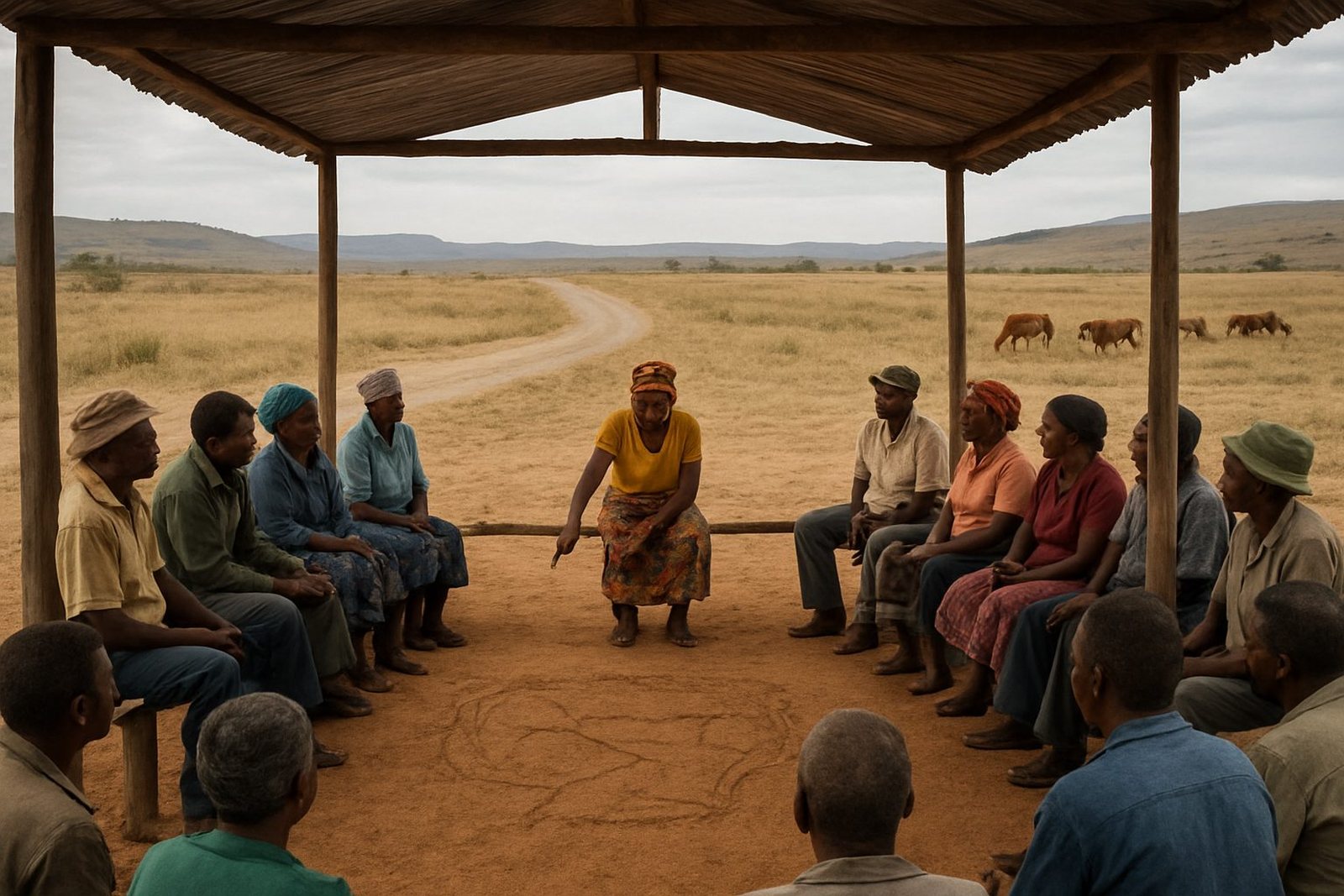
What this episode covers
Language and Power is a focused political commentary episode that explains how language works inside public institutions, parties, media and community life. It looks at why language is never only about words. It also carries status, memory, authority and exclusion, especially in countries where several languages compete for space in schools, parliament, courts and local government.
The episode is written for listeners who want a clear, non-partisan explanation of multilingual politics across South Africa, Kenya, Nigeria, Ghana and Zambia. It is suitable for general audiences, students, civic groups and anyone trying to understand how public communication can include or leave out different communities.
- Explains multilingual governance in plain language
- Compares formal and informal communication in politics
- Shows how symbols, translation and language policy affect trust
Format options for broadcast and reading
This title can be produced as a stand-alone podcast episode, a paired audio and essay release, or part of a short series on citizenship and institutions. The usual spoken version runs well at 18 to 28 minutes, while the essay companion can be set at 1 200 to 1 800 words depending on the publication schedule. If you need a tighter slot for radio-style delivery, the script can be trimmed without losing the core argument.
- Solo commentary episode for quick release
- Script plus show notes for a podcast feed
- Extended essay version for publishing platforms
- Series slot with linked themes on state, identity and media
Where it suits best
This topic works well for audiences that deal with public communication every day, including universities, civic education projects, newsroom audiences and policy discussion forums. It is also a strong fit for organisations running multilingual outreach in Johannesburg, Pretoria, Soweto, Nairobi, Lagos, Accra and Lusaka, where a single public message may need to travel across more than one language community.
It suits institutions that want thoughtful material for internal learning as well as public-facing publishing. In practice, it gives teams a way to discuss communication without reducing language to a simple translation issue.
- Higher education and policy discussion programmes
- Media, publishing and public communication audiences
- Civic education and governance forums
- Organisations working across several language groups
Editorial process
Like any recurring commentary series, this episode benefits from careful editing, fact checking and archive management. The language used around politics should stay accurate and neutral, with clear distinctions between policy, identity and historical background. If the piece is being republished later, the notes and file names should be kept in order so that updates can be made without confusion.
For ongoing use, the most practical care is to keep source material organised, check pronunciation of place names and terms, and review the script for date-sensitive references before release. That helps the content stay useful over time and keeps the tone steady across platforms.
- Keep final audio, script and notes in one labelled archive
- Check spelling of names, places and institutions
- Review any law, policy or procedure references before publishing
- Refresh intro wording if the episode is reused in a new series
What to check before ordering
Before placing an order, confirm the language mix, target audience and intended length. It also helps to decide whether the episode will be used as a single publication or as part of a broader editorial series. If there are house style requirements, such as South African English spelling, quote handling or a preferred reference style, those should be shared at the start.
For a smooth turnaround, send any background themes early, including the countries or institutions you want covered and the level of detail required. That makes the script more useful and avoids unnecessary rewrites later on.
- Confirm episode length and publication format
- List the countries, institutions or themes to be covered
- State any preferred tone, terminology or style rules
- Provide deadlines for recording, editing and publishing
Key facts
| Episode length | 18 to 28 minutes standard, shorter cuts available |
|---|---|
| Companion essay | 1 200 to 1 800 words |
| Language | South African English |
| Focus | Multilingual politics, public communication and symbolic inclusion |
| Regions covered | South Africa, Kenya, Nigeria, Ghana and Zambia |
| Delivery | Podcast audio, edited script, show notes and publication-ready copy |