What This Episode Covers
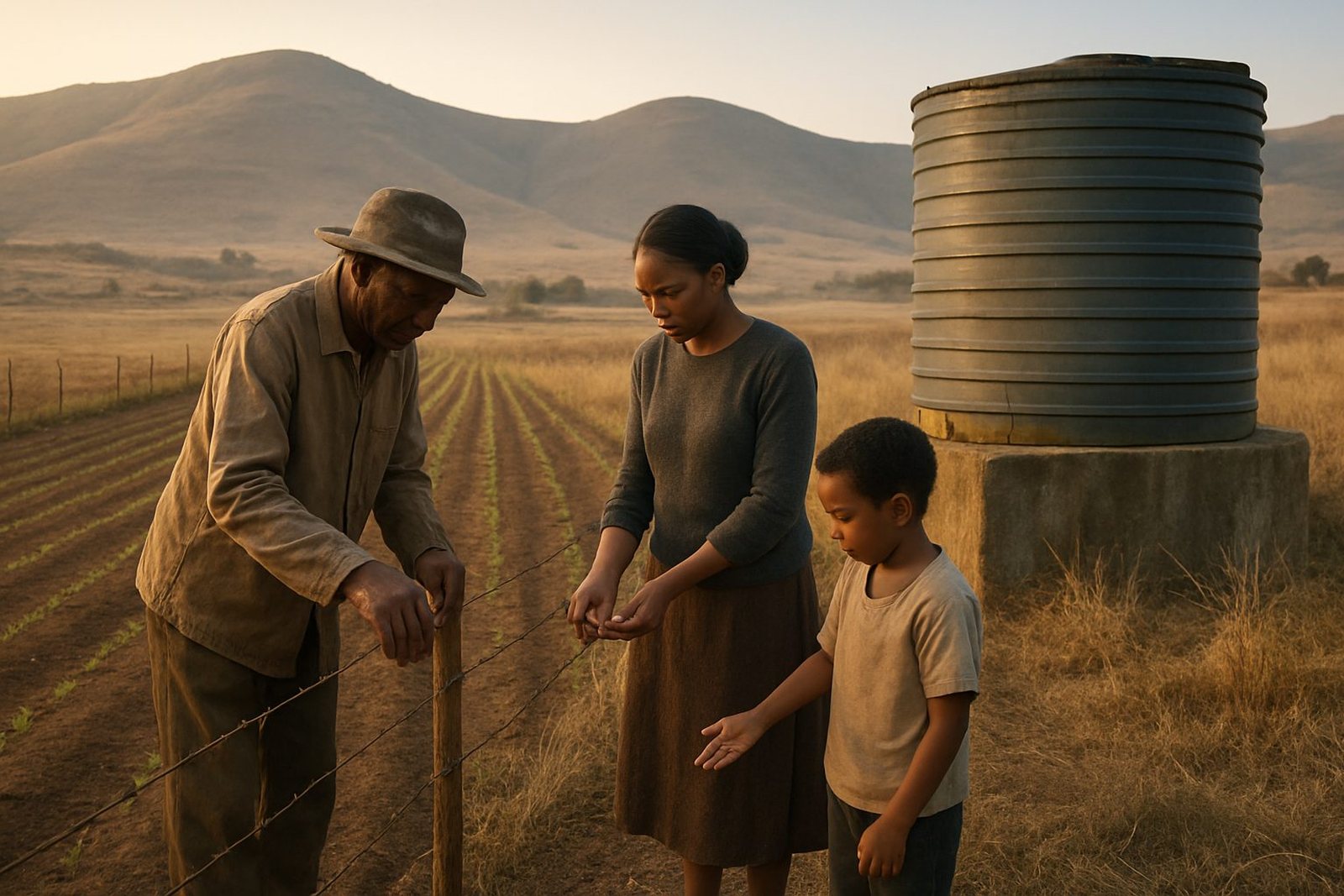
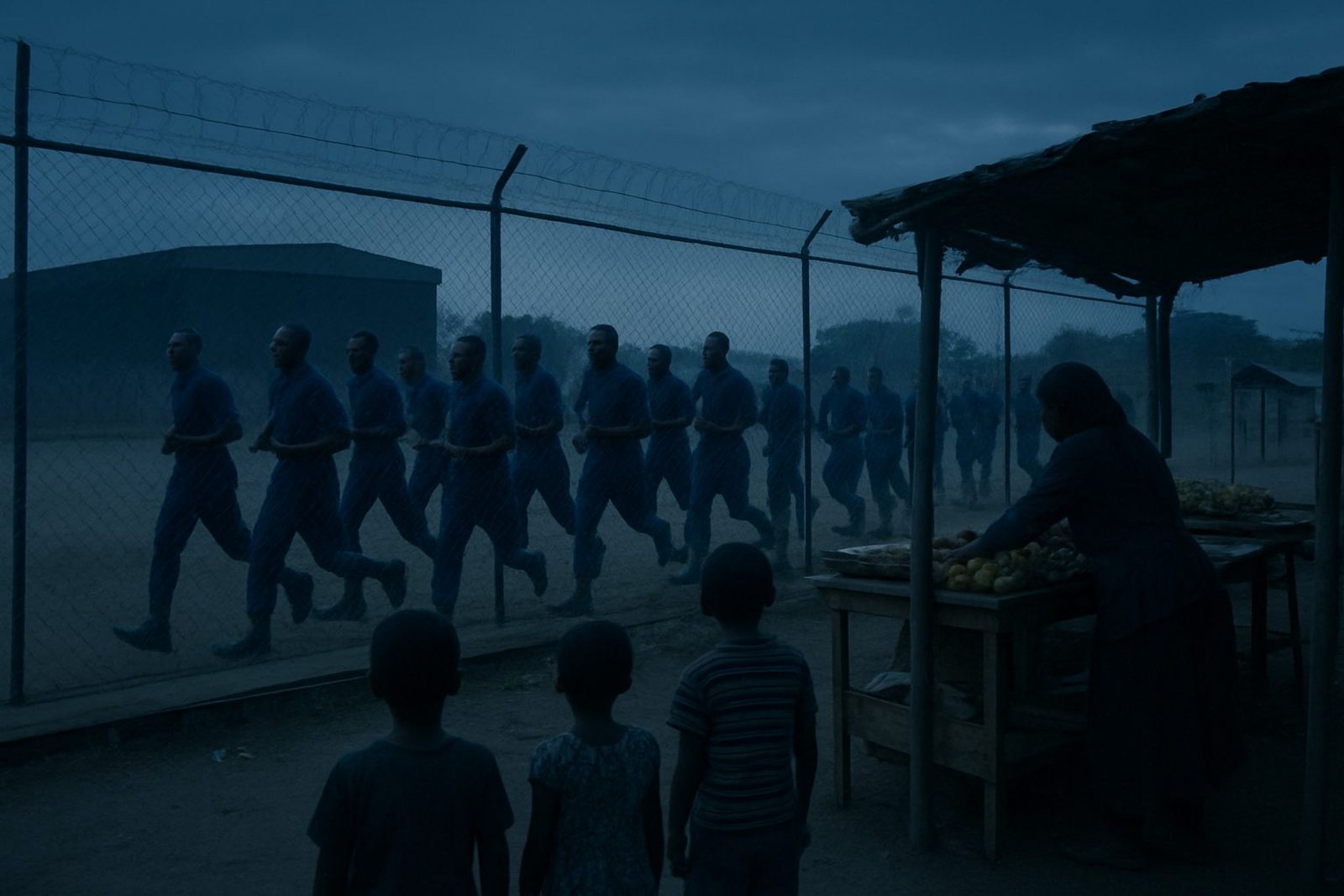
Security Institutions looks at how police services, intelligence structures, defence forces and correctional systems fit inside a constitutional order. The episode explains why civilian control matters, what lawful oversight should look like and where the line sits between public safety and political interference.
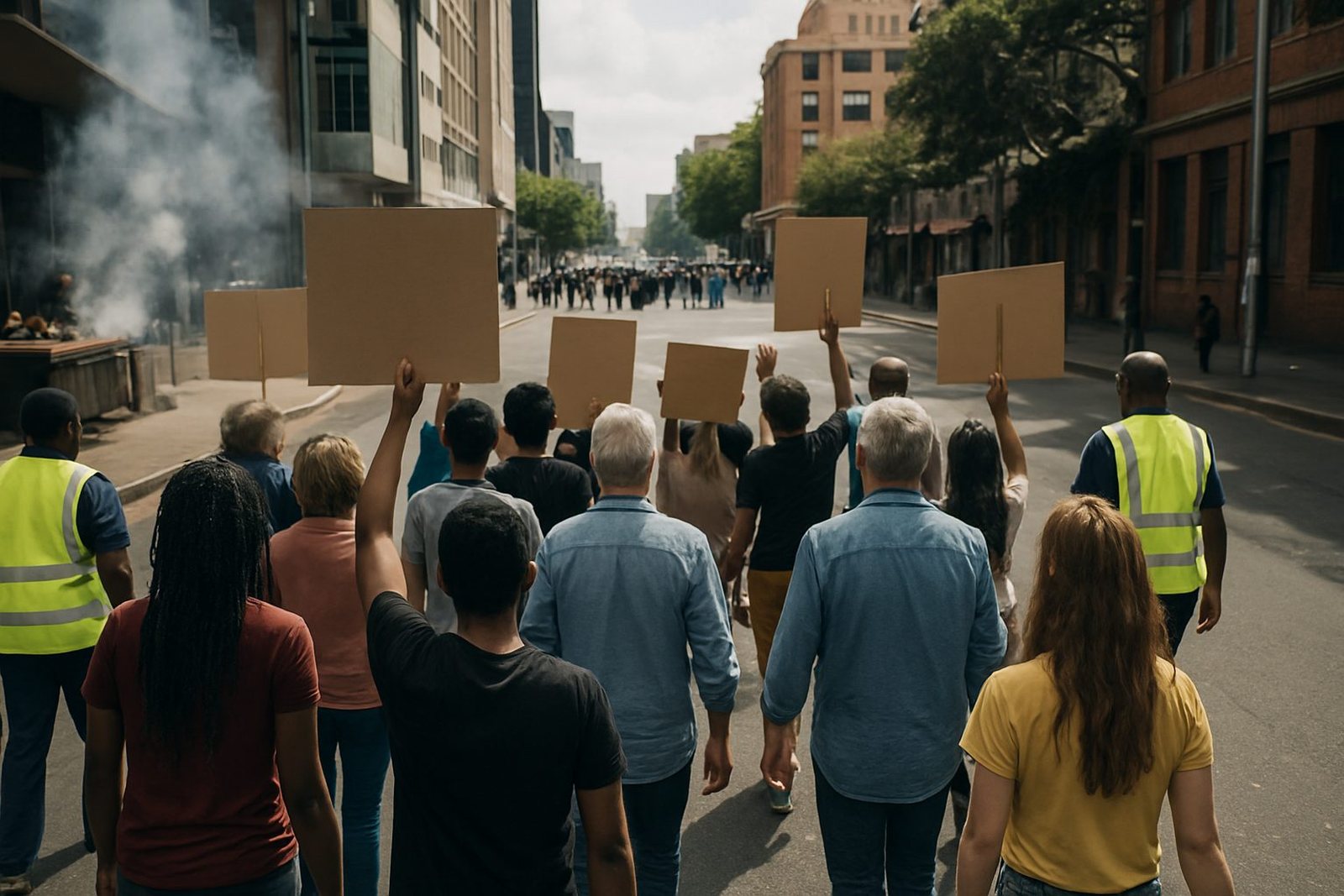
It is written for listeners who want a clear picture of institutions rather than slogans. The approach is non partisan and historical, so the discussion covers how post colonial states built security systems, how constitutions try to limit abuse and why those limits are often tested during protests, elections or periods of unrest.
Episode Sizes And Format Options
Choose a short commute listen or a fuller research piece. Standard options are a 12 to 15 minute episode, a 20 to 25 minute episode and a long form 35 to 45 minute edition. Each option can also be paired with a written essay for those who prefer text.
- Standard audio episode for general audiences
- Extended analysis episode for students, editors and policy teams
- Audio plus essay bundle for publication and archive use
- Series planning option for a three part run on institutions and accountability
If you need a tighter format for a weekly release schedule, the shorter version keeps the core argument intact. The longer version allows more space for constitutional history, oversight bodies and the practical tensions between security and transparency.
Where It Suits Best
This episode works well for audiences in Johannesburg, Pretoria and Soweto, as well as listeners in Nairobi, Lagos, Accra and Lusaka who want cross country comparisons. It suits university seminars, civic education programmes, newsroom training, governance newsletters and public interest publishing.
Because the subject is institutional rather than event driven, it has a long shelf life. That makes it useful for archive pages, resource libraries and background listening when a news cycle is moving fast and the facts need context. In larger organisations it can support internal briefings for editorial teams or research teams.
- Higher education and civic learning
- Policy and governance publications
- Newsroom reference libraries
- Public discussions on accountability and constitutionalism
Production, Publishing And Archiving
The episode is produced from Rosebank, Johannesburg, with planning support from the research and publishing team. Script development, fact checking, audio editing, show notes and publication scheduling are handled as part of the full service, so the final piece is ready for release in a tidy sequence.
For broadcasting or platform delivery, the audio is mastered for clear speech, steady levels and easy playback on mobile data, home speakers and office headphones. Archive management is included so the final files, notes and versions are stored properly for future use.
What To Check Before Ordering
Before you place the order, check the intended audience, the preferred length and whether you need only audio or audio plus essay. It also helps to confirm the level of detail required on constitutional law, oversight institutions or comparative country examples. If the brief is too broad, the episode can lose focus.
- Target audience and reading level
- Preferred runtime and release deadline
- Need for a companion essay or show notes
- Any country focus, such as South Africa, Kenya, Nigeria, Ghana or Zambia
- Archiving requirements and file naming preferences
If you are commissioning the episode for a publication schedule, confirm the lead time early. Research heavy topics need space for source checking and careful wording, especially where security institutions and constitutional boundaries are concerned.
Formats and access
That means regular review of sources, updates where laws or institutions change and occasional re-editing if the episode is republished in a series or learning pack.
For ongoing use, keep the episode with its notes, final script and metadata together so the material stays searchable. If you are building a themed run on political institutions, schedule related episodes in a sensible order rather than dropping them in at random. It keeps the argument clear and helps listeners follow the logic.
Good care also means keeping the tone neutral. The best security commentary explains systems, not personalities, and that discipline makes the content more useful over time.
Key facts
| Product type | Independent podcast episode with companion essay option |
|---|---|
| Core topic | Civilian oversight, security agencies and constitutional boundaries |
| Format options | 12 to 15 min, 20 to 25 min, 35 to 45 min |
| Coverage | South Africa plus comparative references to Kenya, Nigeria, Ghana and Zambia |
| Included services | Script development, fact checking, audio mastering, show notes and archive management |
| Delivery | Digital audio file and written copy supplied for publication scheduling |