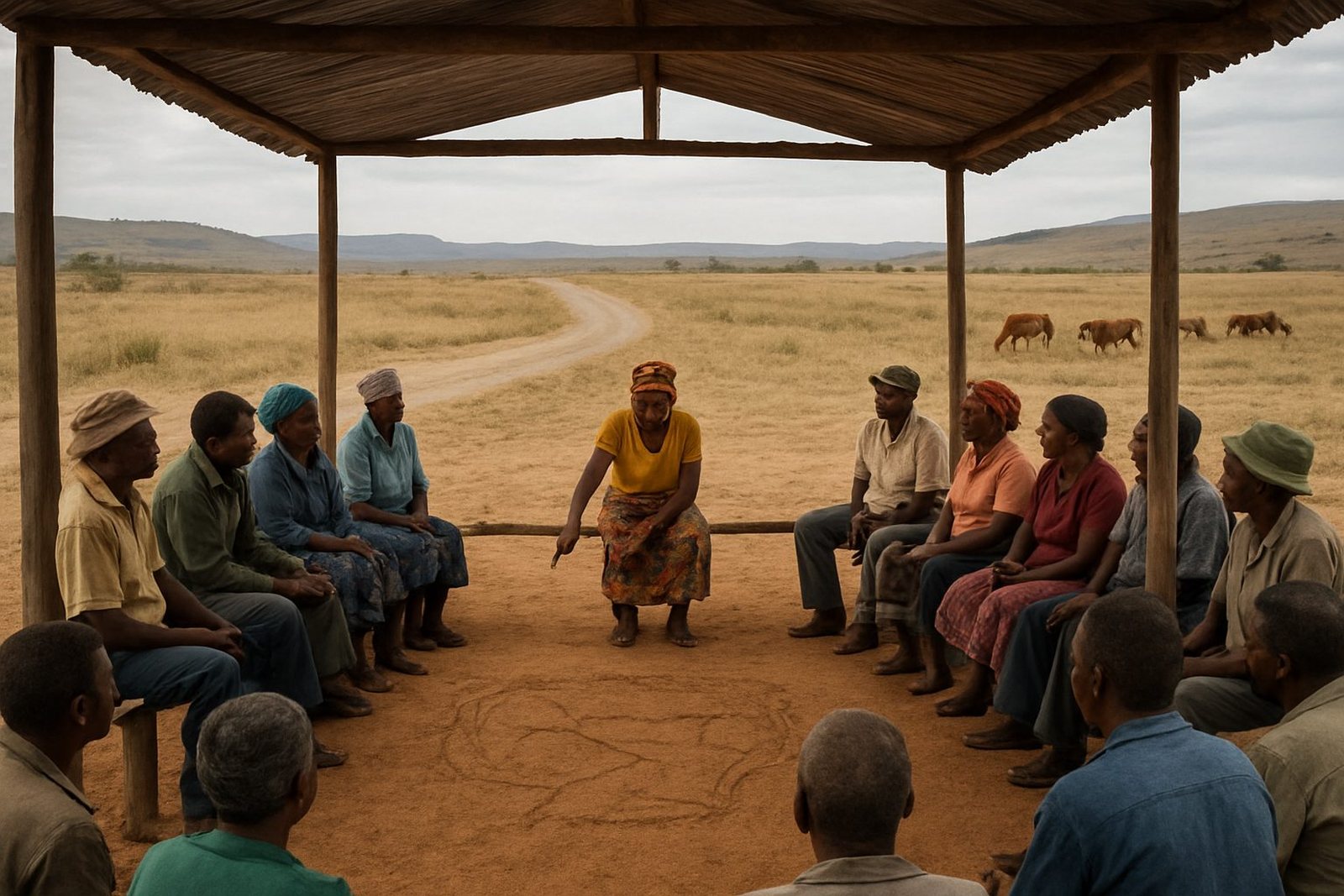
What this episode covers
Party Systems looks at the basic building blocks of political competition and how they shape governance, opposition strategy and voter choice. The episode explains how parties organise themselves, how electoral rules affect seat outcomes, and why the same constitution can produce very different results in different countries. It is written for listeners who want a clear explanation without party slogans or campaign noise.
The discussion stays strictly non-partisan. It focuses on general ideas such as coalition politics, executive dominance, opposition fragmentation and the role of legislatures, courts and electoral commissions. Rather than chasing daily headlines, it gives listeners a steady framework for understanding why some systems produce stable governments while others create frequent bargaining, splits and realignments.
Formats and episode options
This episode is available in several lengths so it can suit a quick briefing or a longer classroom-style listen. A standard cut runs at about 28 to 35 minutes, while a longer edition can run from 45 to 60 minutes for audiences that want more detail on institutional history and regional comparison. A shorter 12 to 15 minute version works well for newsletter audio, briefing notes or social clips.
- Short explainer: 12 to 15 minutes, one core theme and a clean takeaway
- Standard episode: 28 to 35 minutes, best for general audiences
- Extended edition: 45 to 60 minutes, includes deeper regional context and more institutional detail
- Series slot: grouped with related episodes on elections, coalitions and state power
The format can be adapted for South African, Kenyan, Nigerian, Ghanaian or Zambian audiences, with examples chosen to match the listening public. Where needed, the script can lean more academic or more conversational, depending on the publication schedule and audience level. If a client wants a tighter editorial line, the episode can be structured with clearer chapter breaks and a stronger summary at the end.
Where it suits best
Party Systems suits civic education programmes, university reading lists, public affairs podcasts and any publication that needs careful commentary on African politics. It also works well for election season explainers because it helps audiences understand the wider system before they hear claims about parties, coalitions or constitutional reform. In Johannesburg and Pretoria it can support policy audiences, while in Soweto, Nairobi, Lagos, Accra and Lusaka it can be used for community discussions and student groups.
It is especially useful where listeners need a practical overview of why party labels do not always tell the full story. Some systems are highly competitive, with several parties able to win seats and shape government. Others are dominated by one large party, while smaller parties compete for visibility and influence. This episode helps audiences compare those models without assuming that one system is automatically better than another.
- University and college politics modules
- Civic education groups and public forums
- Newsletters, podcasts and policy briefings
- Conference panels and backgrounders for journalists
How we publish
For studio use, a basic interview setup with two microphones, headphones and a recording interface is enough for a clear result.
For mobile or remote sessions, stable internet is needed if contributors are joining from other cities. A wired connection is preferred where possible, especially when recording from offices in Rosebank, Pretoria or other busy areas with traffic noise. Avoid echo from bare walls and switch off air conditioners, alarms and nearby printers during recording.
- Room: quiet indoor space with low echo
- Input: one or two microphones depending on the format
- Delivery: final file ready for publication scheduling and archive storage
Editorial process
Good care starts with keeping the script current and the references clear. Because party systems can change slowly over time, the episode should be reviewed before each reissue to make sure the explanation still matches current institutions and electoral rules. Terms like proportional representation, first-past-the-post, coalition government and dominant-party rule should be used consistently so listeners are not left guessing. Small updates are often enough, but they matter.
The audio file should be checked for levels, background noise and clipped speech before publication. We also recommend a tidy archive trail with version notes, date stamps and a final approved master. That makes it easier to repurpose the episode later for a series revisit or a course pack. If the episode is stored alongside essays or show notes, label the file clearly and keep one master copy separate from working drafts. A simple filing system saves time when reseach is needed again months later.
What to check before ordering
Decide how detailed you want Party Systems to be and which country examples should lead the discussion. If the audience is new to political analysis, a broad overview may be best. If they already know the basics, the episode can spend more time on coalition logic, party discipline, floor-crossing, constituency pressure and the role of independent institutions. It is also worth deciding whether the tone should be more explanatory or more analytical.
Check the following before placing the order:
- Target length and preferred episode format
- Countries or regional comparisons to include
- Whether you need show notes, copy editing and fact checking alongside the audio
- Publication date and archive naming requirements
- Any house style rules for terminology, spelling and references
If you need a launch series, the episode can be paired with related themes such as electoral systems, coalition bargaining, executive power or opposition politics. That helps keep the content organised and gives listeners a stronger foundation for later episodes.
Key facts
| Product type | Independent political commentary episode |
|---|---|
| Topic | Broad patterns in multi-party, dominant-party and competitive systems |
| Standard length | 28 to 35 minutes |
| Extended length | 45 to 60 minutes |
| Delivery format | Audio episode with optional show notes |
| Support options | Script development, research support, fact checking, editing and publication scheduling |