A brief rooted in public life, not party politics
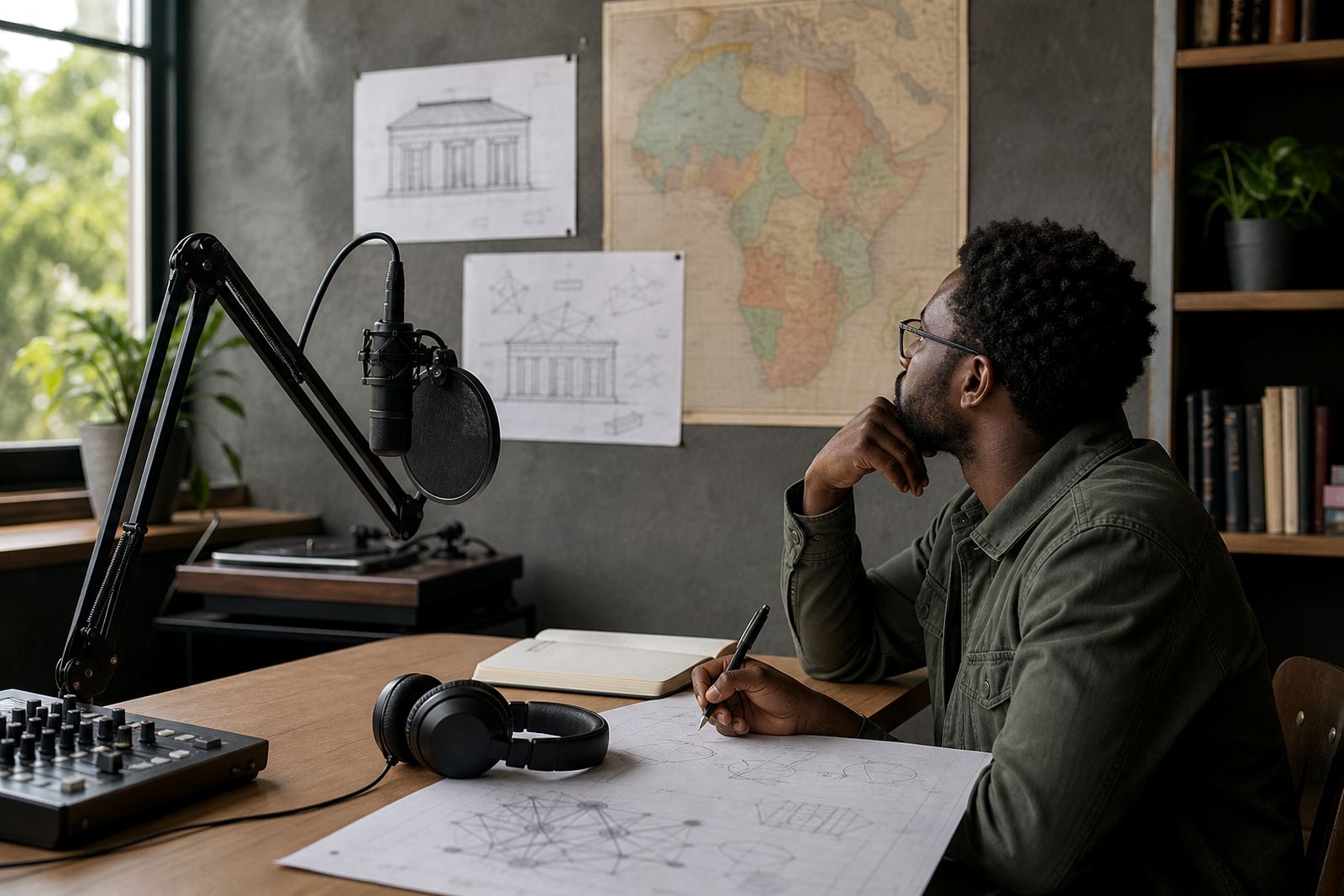
The client type was an independent political commentary publisher based in Rosebank, Johannesburg, with an audience across Gauteng and other African cities. The brief for Religion and Citizenship was to create a series that could explain how faith, law and civic duty meet in everyday political life without slipping into partisan comment or sectarian language.
The subject needed care because religion is present in schools, courts, voting behaviour, community organising and family life, yet the series could not turn into a debate about who is right. The ideas had to stay understandable for a general audience, from people who follow politics closely to those who want a clearer view of how public institutions work.
- Client type: independent political commentary publisher
- Base: Rosebank, Johannesburg
- Audience reach: South Africa plus Kenya, Nigeria, Ghana and Zambia
- Format: podcast series with companion essays
- Topic focus: belief, public ethics and constitutional pluralism
What the series had to explain clearly
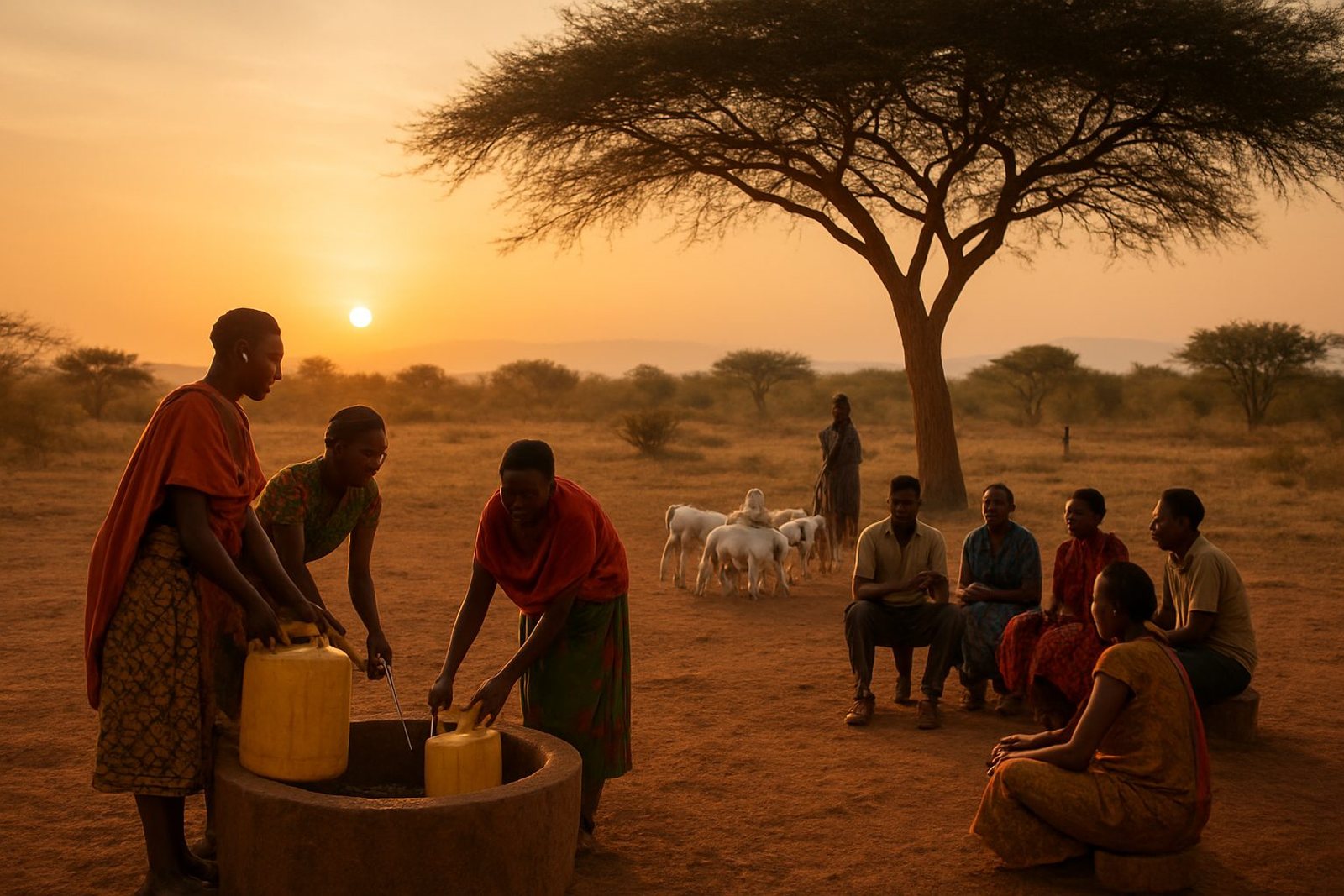
The editorial angle was educational rather than argumentative. We set out to explain constitutional pluralism, secular governance, freedom of religion, equality before the law and the limits that public institutions place on all forms of belief. The writing needed to show how these ideas work in practice in African democracies, where churches, mosques, customary systems and civic institutions often operate side by side.
We also had to keep the language accessible. That meant defining terms in plain English, using short examples and avoiding academic overstatement.
- Explain belief and citizenship without preaching
- Keep the tone balanced and non-partisan
- Avoid unverified claims, polls or named living figures
- Show the role of constitutions, rights and public institutions
Research, editing and fact checking support
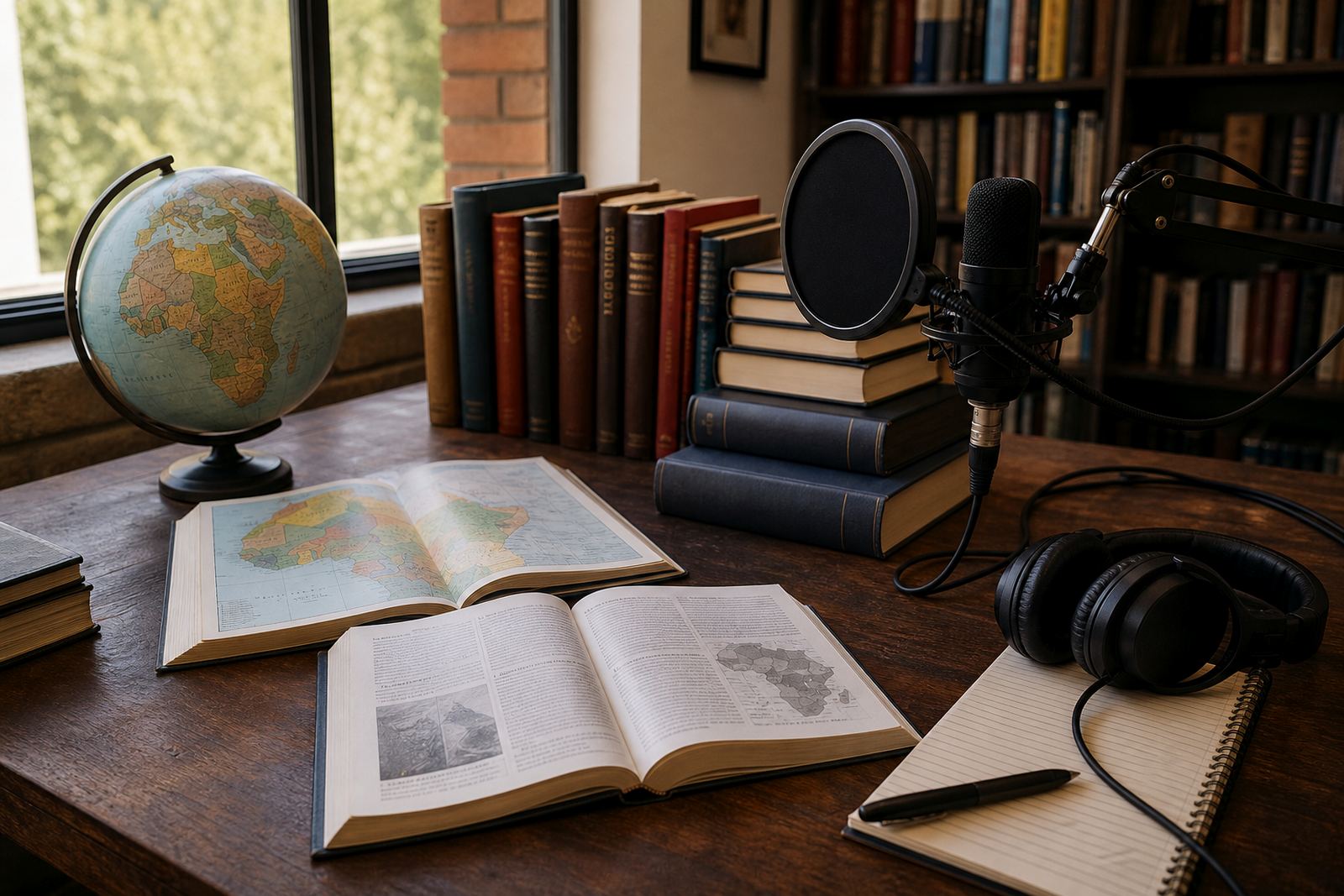
Our team handled research support, fact checking, script development, essay editing and copy editing. The research work focused on constitutional language, civic history and the everyday vocabulary of public ethics. We checked wording carefully so that terms like rights, neutrality, pluralism and public order were used consistently across the series.
Because the topic crosses several countries, we kept the structure broad enough to compare systems without forcing false similarities. The result was a set of pieces that could speak to South African debates while still making sense in Kenya, Nigeria, Ghana and Zambia. The process also included show notes and publication scheduling, so each episode and essay could be released in a steady sequence.
The team on the project was led internally by Thabo Michael Mabuza, with editorial input from Naledi Seakamela, Aisha Daniels, Kwanele Dlamini, Nadia Barnard and Ntando Ndaba. That mix of production, research and audience planning helped keep the work tight and practical, not vague or overdone.
Production rhythm and timeline
The timeline suited a series that needed steady pacing. It allowed enough room to revisit definitions, tighten transitions and make sure each episode built on the previous one. That mattered because the subject could easily become crowded with theory. Keeping the delivery in a weekly rhythm helped the audience follow the thread across the full run.
- Week 1: scope and structure
- Weeks 2 to 4: research, scripts and essays
- Week 5: fact checking, show notes and mastering
- Week 6: scheduling, archive setup and release prep
Results that made the series easier to use
The finished series gave the client a clear, reusable body of work on a subject that often gets handled in fragments. Episodes and essays were aligned, so a listener could hear the discussion and then follow up with a written piece that set out the main ideas in a calmer format. That made the project useful both as commentary and as a reference point for future coverage.
It also strengthened the publication’s position as a place for informed citizenship rather than reaction. The work supported open dialogue without taking sides, and the structure gave the audience space to think through the topic at their own pace. In practical terms, the client received material that could be used across the podcast feed and the publishing platform without extra rework.
For a project touching on religion and public life, that balance mattered. It kept the tone disciplined, accurate and suited to careful political writing rather than noise.
Kept for the next series
If we were repeating the project, we would keep the same approach: plain language, strong editorial boundaries and a clear sequence from research to publication. That method suited the subject and the audience. It worked because every part of the process had a defined job, from archive management through to final copy polish.
We would also keep the multi-country framing. In Africa, religion and citizenship do not sit inside one neat national story. They touch courts, schools, local government, family structures and the everyday habits of civic life. A series that handles those links carefully can stay useful for a long time, even as public debate shifts.
- Keep the tone even and explanatory
- Build each episode around one core idea
- Compact summaries for busy schedules
- Preserve the archive so the series can be revisited later
Key facts
| Project type | Independent podcast and essay series |
|---|---|
| Client base | Rosebank, Johannesburg |
| Timeline | 6 weeks |
| Core focus | Religion, public ethics and constitutional pluralism |
| Territory | South Africa, Kenya, Nigeria, Ghana and Zambia |
| Services supplied | Podcast Production, Script Development, Research Support, Fact Checking, Essay Editing, Audio Mastering, Show Notes, Series Planning, Publication Scheduling, Archive Management |