A regional brief from Johannesburg
The client was a Johannesburg based political commentary publisher in Rosebank, with an audience that follows politics in South Africa, Kenya, Nigeria, Ghana and Zambia. The brief was to create a Constitution Series that could explain core constitutional ideas in plain language, while keeping the tone calm, factual and useful for people who may not have studied law or political science. The series had to work as both podcast content and written essays, with enough structure for a steady release over several weeks.
Balance was essential. The material needed to describe constitutional design, checks and balances, rights, federal and unitary systems, and amendment procedures without turning into party debate or opinion-led commentary. The language also needed to stay accessible for general listeners while remaining precise enough for anyone seeking a fuller understanding of institutions and legal processes.
- Project type: podcast and essay series
- Client location: Rosebank, Johannesburg
- Coverage: South Africa, Kenya, Nigeria, Ghana and Zambia
- Focus: constitutional ideas, institutions and amendment processes
The brief, constraints and editorial guardrails
The series needed to explain political systems across five countries without making claims about living politicians, election outcomes or party positions. That meant every script had to stay on general constitutional principles and historical context that can be verified from public knowledge. We avoided speculative language and kept the writing grounded in how constitutions are drafted, interpreted and amended in practice.
There were also format constraints. Each episode had to stand alone, but still fit into a wider sequence. We planned the order so that one topic would build on the next, starting with the meaning of a constitution, then moving into separation of powers, bill of rights clauses, courts, independent institutions and amendment rules. The copy had to be tight enough for audio, but not so compressed that it became thin or unclear.
- No partisan framing
- No quotes, interviews or named guests
- No statistics or polls
- No predictions or endorsements
- No legal jargon without explanation
Research and editing on the series
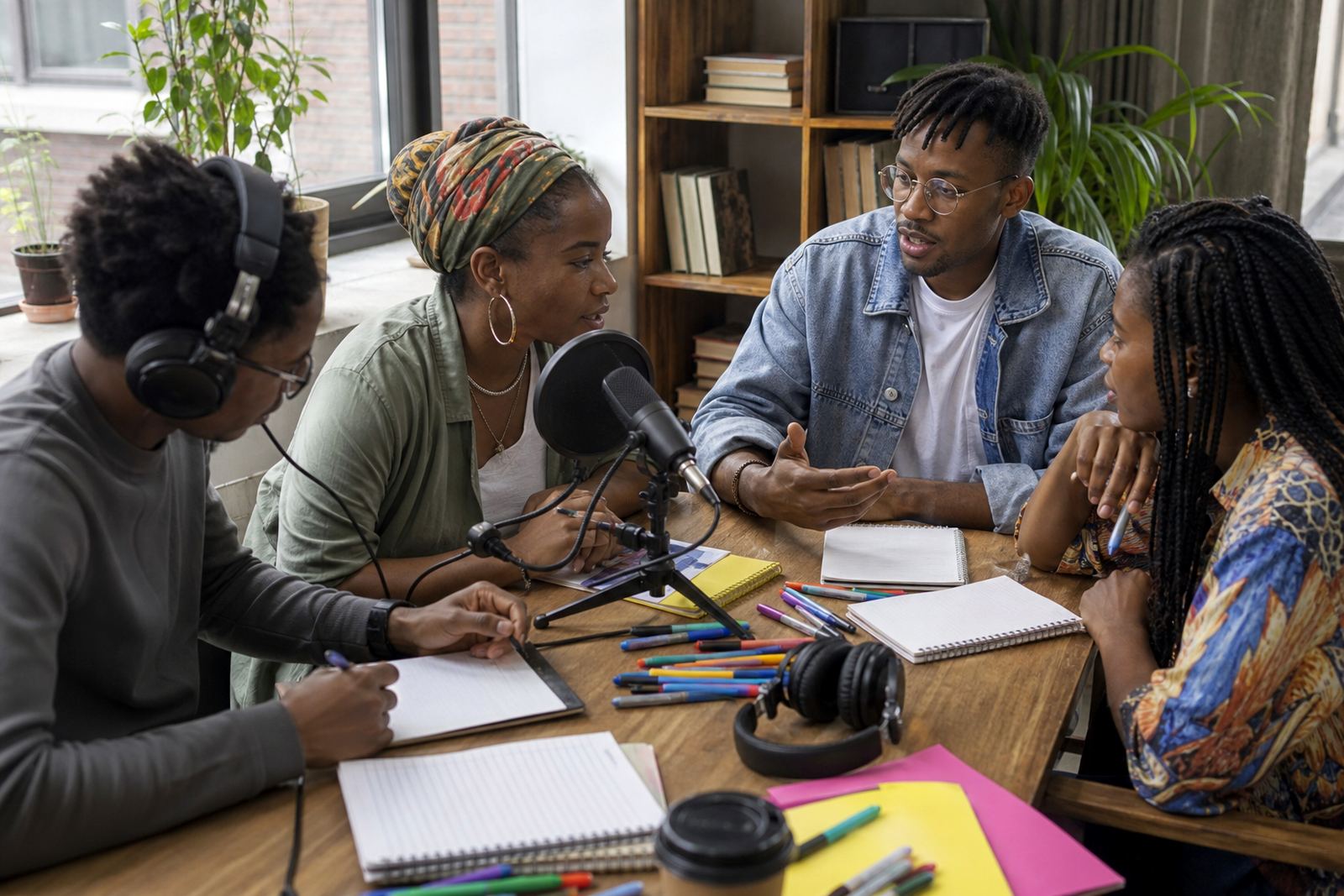
We supplied the full editorial package for the series. That included research support, script development, fact checking, episode editing, show notes, copy editing, audio mastering, publication scheduling and archive management. The research lead mapped the constitutional material country by country, while the editor shaped the structure so each episode could move from definition to example without losing pace. The podcast producer handled audio flow and timing, making sure the series sounded consistent from one episode to the next.
We also prepared supporting essays to match each audio release. These pieces gave the audience a quieter reading format for people who wanted to revisit the main points, compare systems, or follow up on terms such as judicial review, amendment thresholds and constitutional supremacy. A few passages needed careful trimming because the first draft was too academic for general listeners, but that was sorted quickly once we checked the reading level and tightened the sentence length.
- Script outlines and episode structure
- Country-by-country constitutional notes
- Fact checking and copy editing
- Show notes with clear key points
- Audio mastering for release quality
Timeline and production pace
The Constitution Series was completed over six weeks. The first week was spent on scoping, topic order and source review. Weeks two and three focused on script drafts and research notes, with the editor reviewing language for clarity and consistency. Week four was dedicated to the first round of audio production and revisions, while week five covered final editing, show notes and publication scheduling. The last week was used for archive organisation and final checks before release.
This pace worked well because constitutional topics need time for accuracy. A rushed script can flatten important distinctions between, say, rights language and enforcement mechanisms, or between an amendment process and a full constitutional overhaul. By giving the material a measured timeline, we kept the writing accurate and the delivery steady, even when the subject matter became technical.
What the series explains clearly
The series gave the client a clear educational block of content that could be used across podcast platforms and the publication site. It helped position the brand as a serious source of political explanation rather than reactive commentary only. The audience got a sequence that was easy to follow, and the client gained reusable content that could be referenced in future episodes or essays on governance, rights and institutions.
What stood out most was the way the series opened up discussion without pushing anyone towards a fixed view. People could hear how constitutional rules are supposed to work, why amendment rules differ from one country to another, and how institutions such as courts, legislatures and commissions fit together. That kind of explanation matters in Gauteng and for audiences following African politics from Nairobi, Lagos, Accra or Lusaka. It also left room for further episodes on devolution, presidential systems, parliamentary systems and constitutional crises.
- Clearer audience understanding of constitutional basics
- Reusable content for future political education episodes
- Stronger editorial consistency across audio and text
- Better structure for a long-form public affairs series
What we’d repeat for the next series
We would use the same method again: start with a tight scope, define the institutions and terms in advance, then build the episodes around one practical question at a time. That approach keeps the work accessible and avoids overloading the audience. It also makes it easier to maintain a non-partisan tone, which is essential when covering constitutional law and political history across several countries.
We would also keep the same review process. Research first, then scripting, then a careful edit for clarity and audio rhythm. That sequence saves time later and helps avoid corrections after publication. For a topic like this, the strongest result comes from patient editorial work rather than rushing to cover everything at once. It is simple enough in principle, but it takes real discipline to keep it accurate and plain.
For clients planning similar work in Johannesburg, Pretoria or further afield, the main lesson is that constitutional content performs best when it is structured, calm and properly checked. That is what makes it useful for a public audience, and it is why this series held together so well.
Key facts
| Project | Constitution Series |
|---|---|
| Client type | Independent political commentary publisher |
| Base | Rosebank, Johannesburg |
| Coverage | South Africa, Kenya, Nigeria, Ghana and Zambia |
| Timeline | 6 weeks |
| Services | Podcast Production, Episode Editing, Script Development, Research Support, Fact Checking, Essay Editing, Copy Editing, Audio Mastering, Show Notes, Series Planning, Publication Scheduling, Archive Management |