Start with the voter roll
Before any ballot is cast, an election depends on the voter roll. This is the official list of people who are allowed to vote. In many systems, a citizen must register in advance, provide proof of identity and, in some cases, confirm an address or voting district. If your name is missing, you may not be allowed to vote on the day even if you are eligible.
Registration periods are usually announced well before polling day. Some countries allow online checks, while others still rely on in person updates at local offices or designated centres. It is wise to check early, especially if you have moved between Johannesburg and Pretoria, changed your surname, or recently turned 18.
- Check that your identity document is valid and easy to find.
- Confirm your voting district or ward before election day.
- Update your details if you have moved home.
- Keep proof of registration if your country provides it.
What happens when you get to the station
On election day, voters usually go to a polling station linked to their address or district. The station may be a school, community hall, church or municipal building. Officials check your details, mark the roll and issue a ballot paper or direct you to a voting booth. The process is meant to protect secrecy, prevent duplicate voting and keep the queue moving.
Most stations follow a similar order. You arrive, present identification, verify your name, receive voting materials, mark your choice in private and place the ballot in the box. In some countries, biometric checks are used as an extra safeguard. In others, a manual mark on the voter roll is still standard.
- Bring the correct identification document.
- Arrive early if you can, especially in busy urban areas.
- Follow the instructions of election officials carefully.
- Keep your ballot secret until it is placed in the box.
How to read the ballot paper
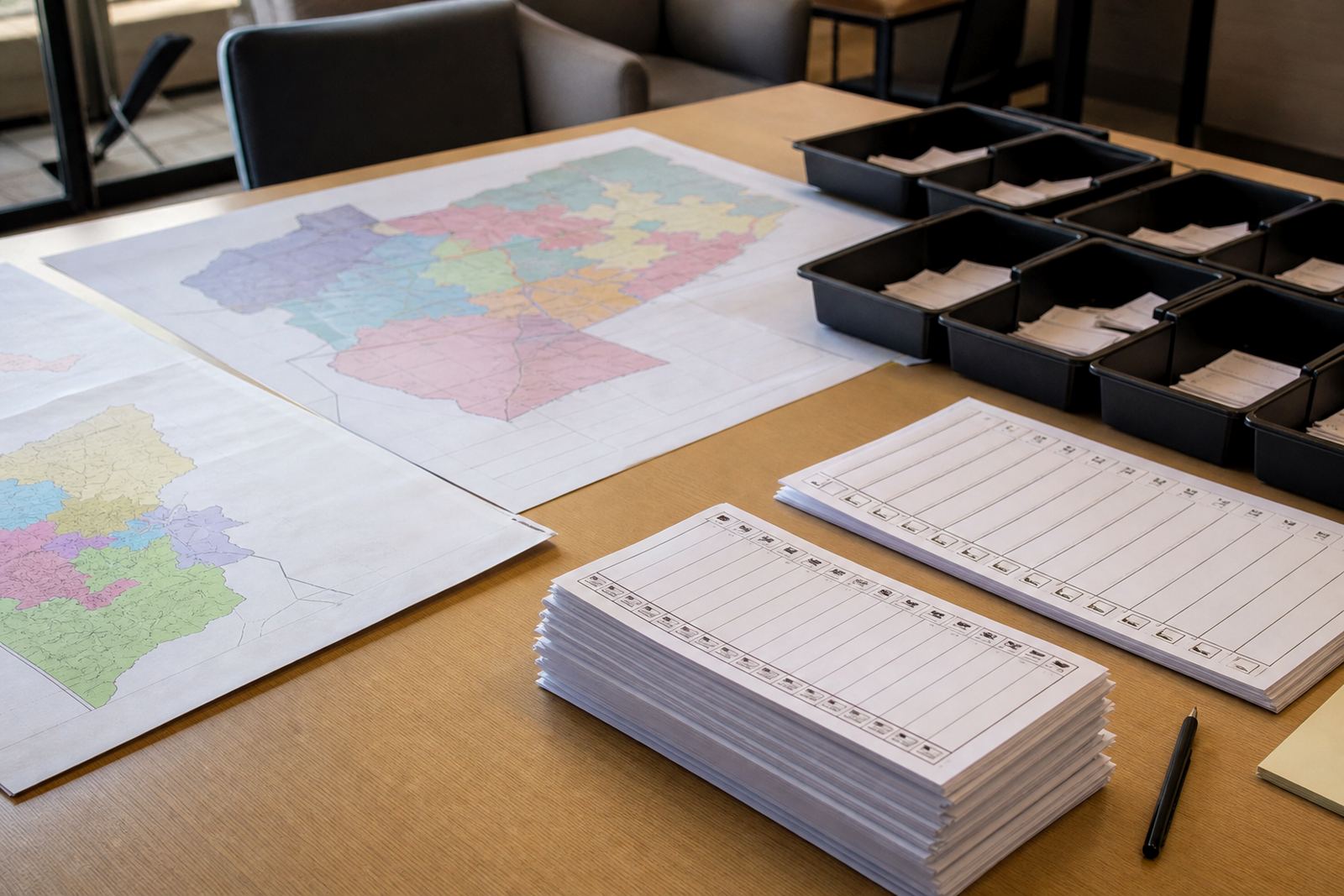
Ballot papers can look simple or crowded depending on the system. They may list parties, candidates or both. In some elections, voters choose a ward councillor, a member of parliament or a president. In others, there are separate ballots for different offices on the same day. The important point is that each ballot has rules about how to mark it correctly.
Some ballots require one clear mark next to a name or symbol. Others ask for a number, a cross, a tick or a preferred order. If the instructions are ignored, the vote may be rejected during counting. That is why election education matters. A person can be registered and present on time, but still lose their vote through an unclear mark.
- Read the instructions on every ballot paper.
- Use the pen or pencil provided if required.
- Do not write extra notes unless the rules allow it.
- If you spoil a ballot, ask whether it can be replaced.
Counting, verification and results
Once polling closes, officials count the ballots in the presence of party agents, observers and sometimes members of the public. The aim is to compare the number of ballots issued, the number returned and the number counted. If those figures do not match, officials must account for the difference before results are finalised.
Counting can happen at the polling station, at a local centre or at a central location. Results are then transmitted to an electoral commission for verification and announcement. This stage matters because it is where errors, missing paperwork and disputes are most likely to appear. In a country with long travel distances or heavy rain, delays can happen without meaning fraud.
After counting, some systems allow objections, recounts or legal challenges. Others finalise results only after every district report has been checked. Good process is slow enough to be accurate and fast enough to keep public trust.
Different electoral systems change the outcome
Not all elections work the same way. The method used to translate votes into seats can shape the final result as much as the campaign itself. A simple majority system usually means the person or party with the most votes wins the seat. Proportional representation tries to match seats more closely to the share of votes won. Mixed systems combine both.
These choices affect how voters think about strategy, coalition building and representation. They also influence whether smaller parties can win seats, whether independents have a fair chance, and how regions are represented in parliament. In South Africa, Kenya, Nigeria, Ghana and Zambia, the details differ, so it helps to understand the rule set before assuming one country works like another.
- Majority systems usually reward the top vote-getter in a district.
- Proportional systems spread seats across parties based on vote share.
- Mixed systems use a combination of district seats and party lists.
- Run-off systems may require a second round if no one clears a threshold.
A practical checklist for election day
Good election habits are simple but important. They help you avoid delays, reduce mistakes and understand what is happening around you. Whether you are voting in Soweto, Lusaka, Accra or Nairobi, the same practical preparation applies. Keep your documents ready, know your station and leave enough time for queues, transport and weather.
If you are following results from home, remember that early figures may be incomplete. Wait for official confirmation before treating numbers as final.
- Check your registration status before polling day.
- Pack your identity document the night before.
- Know where your polling station is located.
- Allow extra travel time for traffic or weather.
- Follow the ballot instructions exactly.
- Keep waiting for the official results, not rumours.