What the Local Government episode covers
This episode looks at the role of municipalities in everyday life, from water, refuse collection and roads to zoning, rates and community liaison. It also explains how local councils fit into wider provincial and national systems, and why local politics often shapes the issues people feel first. The aim is plain explanation, so the listener can follow the institutions and the trade offs without having to wade through jargon.
It suits audiences who want a calm overview of municipal power, local accountability and the limits of what councils can actually do. The tone is analytical and non-partisan, with no election talk or party promotion, just the institutional facts and the practical questions that come up when services slip.
Format options and episode sizes
Local Government can be produced as a single stand alone episode or as part of a short series on state institutions. Common lengths are 20 to 25 minutes for a fast explainer, 35 to 45 minutes for a fuller discussion, or 50 to 60 minutes when the episode needs deeper context and careful unpacking. The format can be tightened for commuting listeners or expanded for teaching, briefing and research use.
Each version can include a written summary, section headings and episode notes for easy reference. If a series is being planned, the topic can also be split into smaller parts, such as municipal powers, ward structures, budgeting, and public participation.
- Short edition: 20 to 25 minutes for general audiences
- Standard edition: 35 to 45 minutes for balanced coverage
- Extended edition: 50 to 60 minutes for schools, forums or research use
- Series option: one topic per episode for clearer follow through
Where it suits best
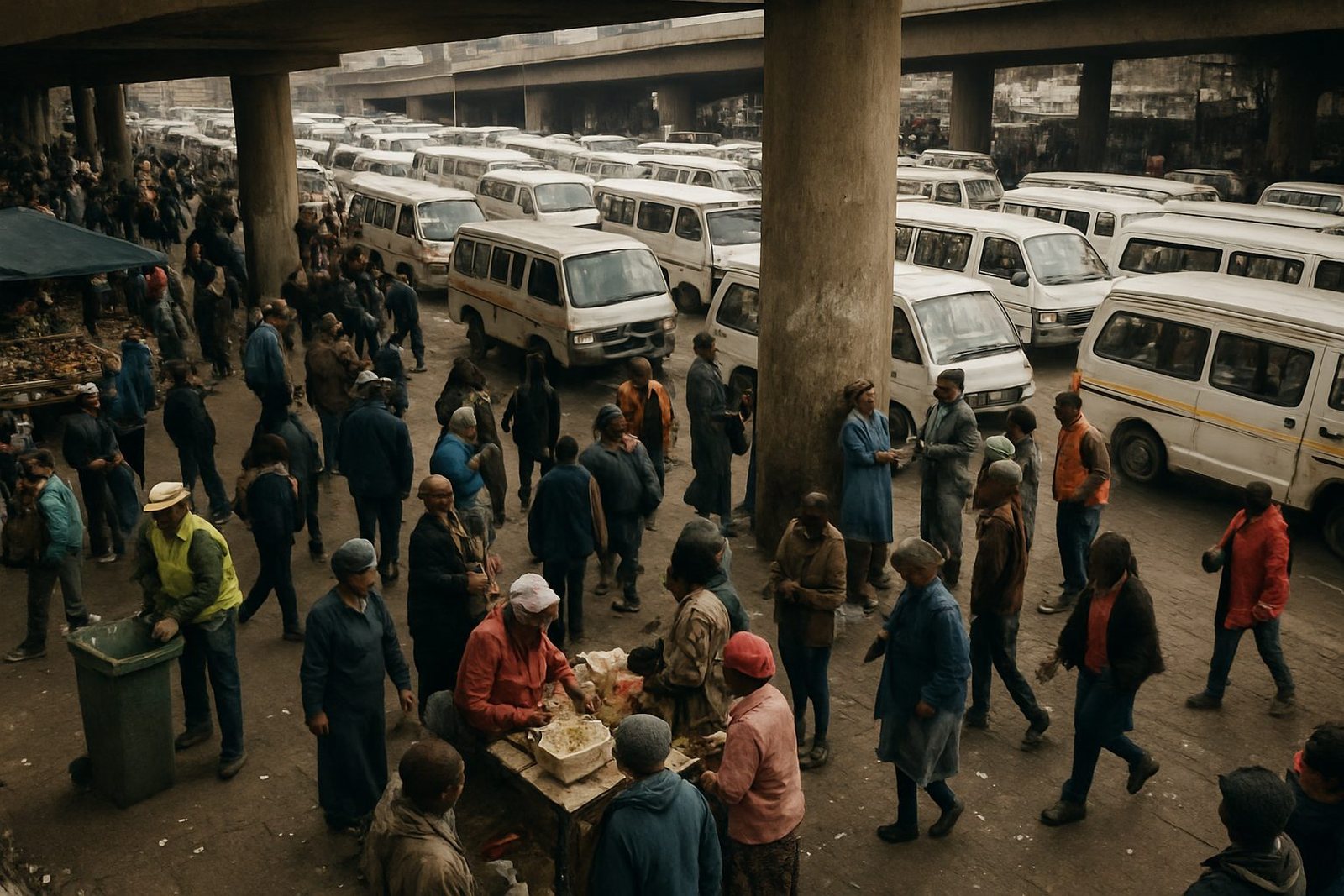
It works well in urban areas where municipal decisions affect transport, refuse, billing and basic maintenance. It also suits audiences in Nairobi, Lagos, Accra and Lusaka who want a wider African comparison of local administration and public accountability. Because the subject is practical, it fits university groups, civic organisations, newsroom briefings and public discussion programmes.
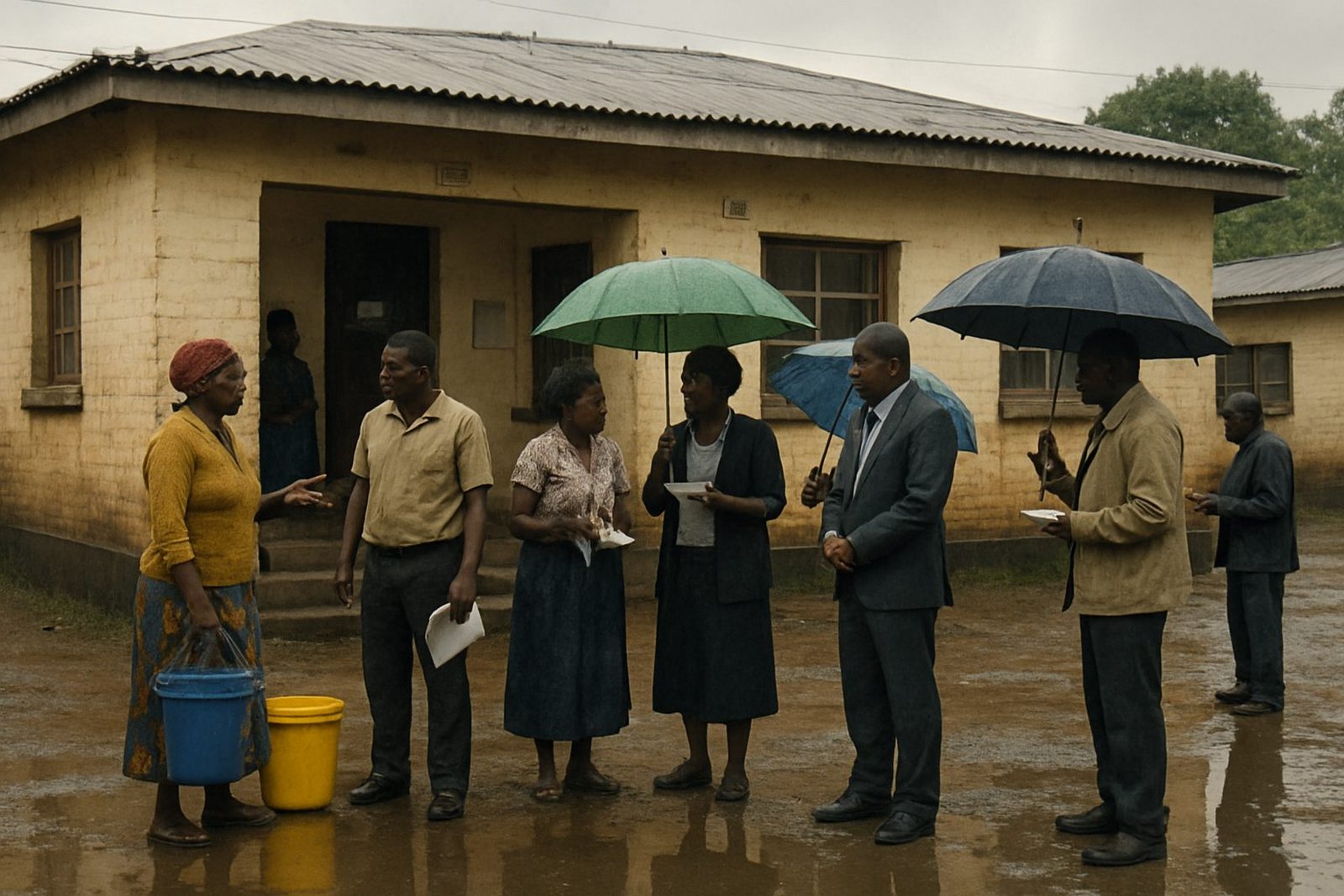
It is especially useful where people want to understand who is responsible for a service failure, what a municipality can fix directly, and where provincial or national departments take over. That distinction matters, because local government is often asked to do more than its legal powers allow.
Reading and listening
Good care for a political episode starts with fact checking and careful script work. Names of institutions, office holders and legal terms should be checked before release, and any description of council powers should match the relevant constitutional or statutory wording. The editing process should trim repetition, balance the pace and keep the episode focused on explanation rather than reaction.
For ongoing use, it helps to keep a clean archive of the final file, the transcript if available, and the episode notes. That makes it easier to reuse sections later for a class, a briefing or a follow up piece. Periodic updates may be needed when municipal rules change or a new budget cycle begins, so the material stays current and useful, not stale.
What to check before ordering
Before confirming the episode, decide whether you want a general introduction or a more detailed analysis with examples from selected cities. Also check whether the focus should be South Africa only or a comparison across several African countries, because that changes the structure and the level of detail. If you need the piece for publication, teaching or internal briefing, say so early so the tone and length match the use case.
It is also worth confirming the final delivery needs, such as audio only, audio plus show notes, or a longer supporting essay. If the episode will sit inside a series, the next topic should be planned at the same time so there is a clear thread from one instalment to the next.
- Desired length and level of detail
- Country focus or comparison range
- Need for show notes, transcript or essay support
- Target audience such as public, academic or newsroom use
Key facts
| Topic | Municipal powers, service delivery and local accountability |
|---|---|
| Format | Podcast episode with optional show notes and essay support |
| Typical length | 20 to 60 minutes depending on scope |
| Coverage | South Africa, Kenya, Nigeria, Ghana and Zambia |
| Use cases | Public education, newsroom briefing, classroom use, civic discussion |
| Delivery | Digital audio file with written support materials if required |