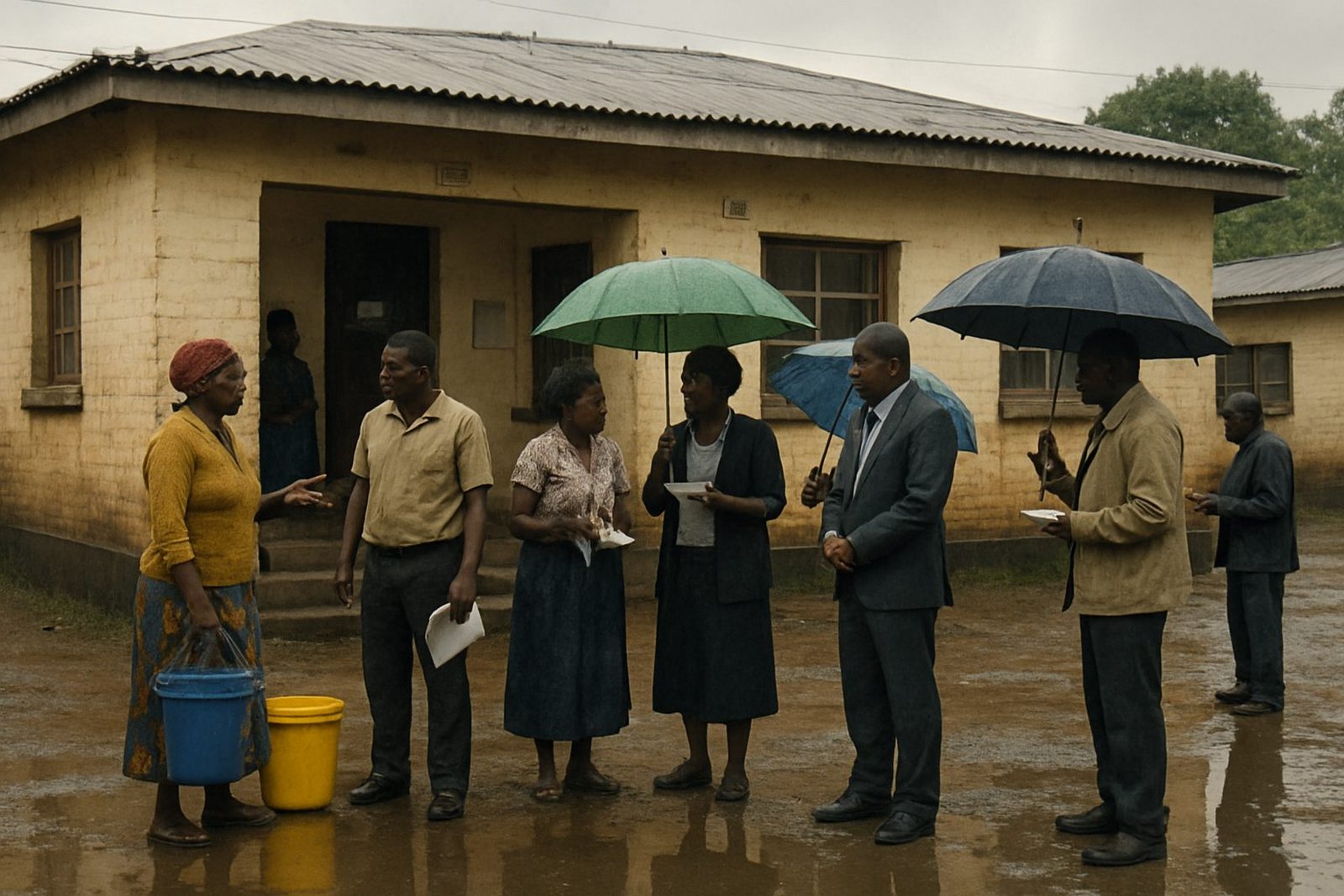
What Diaspora Voices Covers
Diaspora Voices is a focused episode on migration, transnational ties and political conversation across borders. It looks at how people who live outside their country of origin stay connected through family, remittances, voting rules, civic life and everyday debate, with examples drawn from South Africa, Kenya, Nigeria, Ghana and Zambia.
The format is meant for an audience that wants a practical explanation of the issues, not slogans. It works well when the subject needs context: why diaspora communities organise, how host-country rules affect movement and work, and how public life changes when people are spread across more than one national setting.
- Independent political commentary in plain language
- Suitable for podcast listeners and essay audiences
- Can stand alone or form part of a wider series on governance and mobility
Available Episode Lengths And Series Options
We shape Diaspora Voices to suit different publishing plans, from a single feature episode to a short run within a broader political series. Standard options are available in clear runtimes, so you can match the piece to your audience and editorial calendar. If you need a tighter cut for social audio or a fuller long-form version, that can be planned at the script stage.
- Short feature: 12 to 15 minutes
- Standard episode: 18 to 25 minutes
- Extended edition: 30 to 40 minutes
- Series arc: 3 to 6 connected episodes
- Audio plus written essay companion
For groups publishing weekly, a shorter episode with a clean script and matching show notes usually works best. For quarterly publication or special topic coverage, the longer format gives room for historical background and institutional detail without feeling rushed.
Best suited to podcast and essay audiences
This episode suits publishers, civic groups, academic audiences and media platforms that need a steady, well researched discussion of African politics with a cross-border lens. It is especially useful where listeners live in one country but follow public debate in another, or where family links stretch across Johannesburg, Nairobi, Lagos, Accra and Lusaka.
It also fits organisations that work with migration, public policy, voting rights, labour mobility, higher education, youth advocacy or community media. The tone remains measured and non-partisan, so the episode can sit alongside news explainers, public forums and essay publishing without feeling out of place. In a market where people are often pulled into noise, the format keeps the conversation grounded.
- Podcast platforms and publishing sites
- Policy and civic education content
- University, NGO and community radio settings
- Cross-border audience development programmes
How we publish
Good care starts with clean files, clear labelling and a proper approval trail. We keep episode versions organised, so script drafts, edited audio, show notes and final publication files can be found quickly when needed. That matters when an issue returns months later and a publisher needs to revisit the same topic without starting from scratch.
Routine servicing for this kind of product means checking audio quality, updating background notes and confirming that references still reflect current institutions and migration rules. Where a series is ongoing, archive management helps keep titles, publish dates and supporting text in order. It sounds simple, but a messy archive causes avoidable delays.
- Store final audio in more than one location
- Keep scripts and show notes labelled by date and version
- Review older episodes when laws or institutions change
- Plan periodic audio checks for hiss, clipping or uneven levels
What To Check Before Ordering
Before you commission Diaspora Voices, check the focus, length and intended audience. The subject can be broad, but a tight brief makes the final piece stronger. Decide whether the episode should lean toward history, institutions, policy or lived experience, and confirm whether you want only the audio product or a wider publishing package with editing and scheduling included.
It also helps to confirm your approval process early. If more than one person will review the script or final cut, set deadlines upfront so the release date does not drift. A clear brief saves time, and it keeps the tone consistent across the whole series.
- Confirm topic scope and target country or region
- Choose episode length and whether a companion essay is needed
- Decide who signs off on script and final audio
- Check delivery dates against your publication schedule
- Ask for archive handling if the episode will be republished later
Key facts
| Product type | Independent political commentary episode and essay package |
|---|---|
| Core theme | Migration, transnational ties and political conversation across borders |
| Standard lengths | 12 to 15 min, 18 to 25 min, 30 to 40 min |
| Format options | Single episode, short series, audio plus essay |
| Base of operations | Rosebank, Johannesburg, Gauteng |