What This Episode Covers
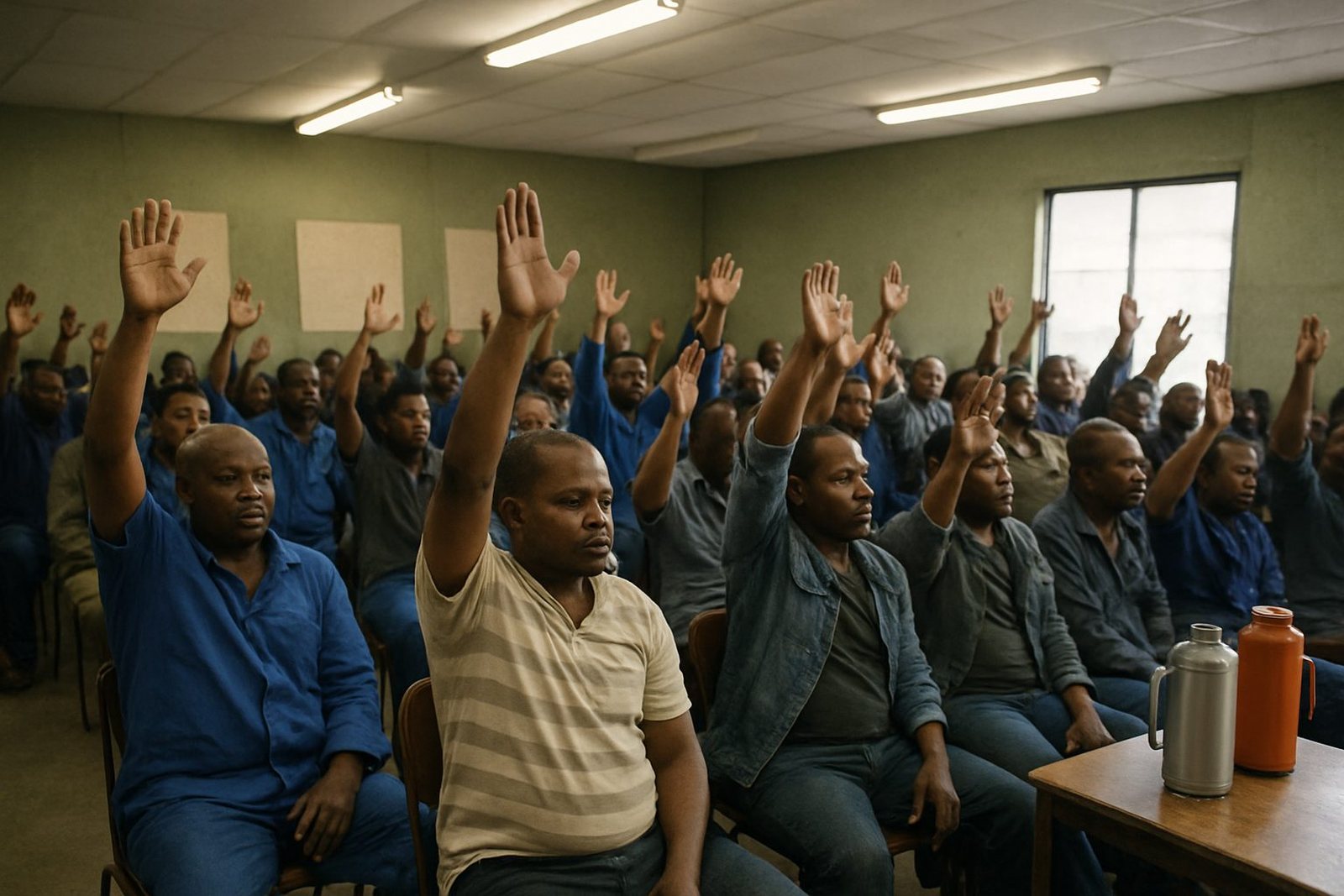
Trade Unions looks at the basic ideas behind organised labour, from membership structures and workplace representation to the way unions speak for workers in talks with employers and the state. The episode keeps to general political history and institutions, so the focus stays on how unions function, how they developed, and why they often become part of wider debates on wages, public services and labour law.
It suits listeners who want a calm explanation of the subject rather than a party-political argument. The tone is practical and grounded, with enough background for first-time listeners and enough detail for people who already follow labour politics.
- Organised labour and worker representation
- Collective bargaining and strike action
- Unions, public policy and political influence
- Labour history across African democracies
Formats, Lengths and Listening Options
This title is available as a standard single episode, a slightly longer extended cut, or a short-form companion edit for listeners who prefer a tighter run time. The core episode is suitable for a commute, office listening or classroom discussion, while the extended version gives more room for background on labour institutions and the legal framework around bargaining.
For programme planning, the episode can be released on its own or paired with related topics such as industrial relations, public sector unions, wage negotiations and the role of civic organisations in democratic life. If you are building a themed series, it also fits neatly into a broader run on governance and social movements.
- Standard episode for general audiences
- Extended episode for deeper context
- Short companion cut for social clips or previews
- Series placement for politics, labour and governance
Where It Suits Best
Trade Unions works well for audiences in Johannesburg, Pretoria, Soweto and other Gauteng listening communities, as well as in Nairobi, Lagos, Accra and Lusaka where labour questions often sit close to public policy, service delivery and informal work. It also suits tertiary classrooms, civic forums, newsroom briefings and workplace learning sessions where people want a factual overview without heavy jargon.
The episode is useful where listeners need to understand how unions interact with employers, ministries, commissions and labour courts. It is especially helpful in settings where workers, managers and community groups need shared language for discussing wages, safety, discipline and dispute resolution.
- Universities and colleges
- Civic education sessions
- Newsroom and research teams
- Workplace and union training rooms
Reading and listening
This episode is easy to maintain because the content is file-based and can be reused for repeated listening, training or archive reference. Keep the audio file stored in a backed-up folder, with the show notes and any related essay copy filed together for quick access. If you use the episode in a shared office or community setting, check the playback file before each session so there are no skips or volume issues.
For ongoing servicing, the main task is editorial rather than mechanical. Review the notes if labour law changes, if a new historical reference needs tightening, or if the episode is being repurposed for a different audience. A clean transcript and accurate metadata make future use simpler and more reliable, especially when material is archived for later programmes.
- Store audio and notes in one organised folder
- Keep a backup copy for future use
- Check playback before events or meetings
- Update supporting copy when context changes
What to Check Before Ordering
Before placing an order, confirm the intended audience, preferred length and whether you need a standalone episode or part of a series. It also helps to decide whether you want a broader policy angle, a history-led explanation or a tighter focus on collective bargaining and industrial action. That choice affects how much background is included and how the episode is paced.
Delivery format, the level of editorial support, and whether show notes, archive management or publication scheduling are included all shape the final package alongside the audio. Where the episode will be used in more than one city or branch, general language keeps it relevant in Johannesburg, Pretoria, Soweto, Nairobi, Lagos, Accra and Lusaka. A clear brief up front saves time later and keeps the final package aligned with your programme plan.
- Target audience and use case
- Episode length and release format
- Required support services and scheduling needs
- Any archive, transcription or notes requirements
Editorial Approach and Research Standards
The episode is prepared with a non-partisan approach, using general knowledge of labour history, public institutions and democratic practice across Africa. It explains ideas in plain language and avoids claims that depend on opinion, campaign language or election talk. That makes it suitable for listeners who want context rather than persuasion.
Research is handled with care so the writing stays factual and the structure remains easy to follow. The result is a clear account of how unions operate, how they shape public debate and why they remain an important part of political life, even when people disagree about their role. The aim is straightforward explanation, not noise.
Key facts
| Product type | Independent political commentary podcast episode |
|---|---|
| Core topic | Organised labour, collective bargaining and political influence |
| Format options | Standard, extended and short-form companion edit |
| Audience | General listeners, students, civic groups and newsroom teams |
| Base location | Rosebank, Johannesburg |
| Coverage area | South Africa, Kenya, Nigeria, Ghana and Zambia |