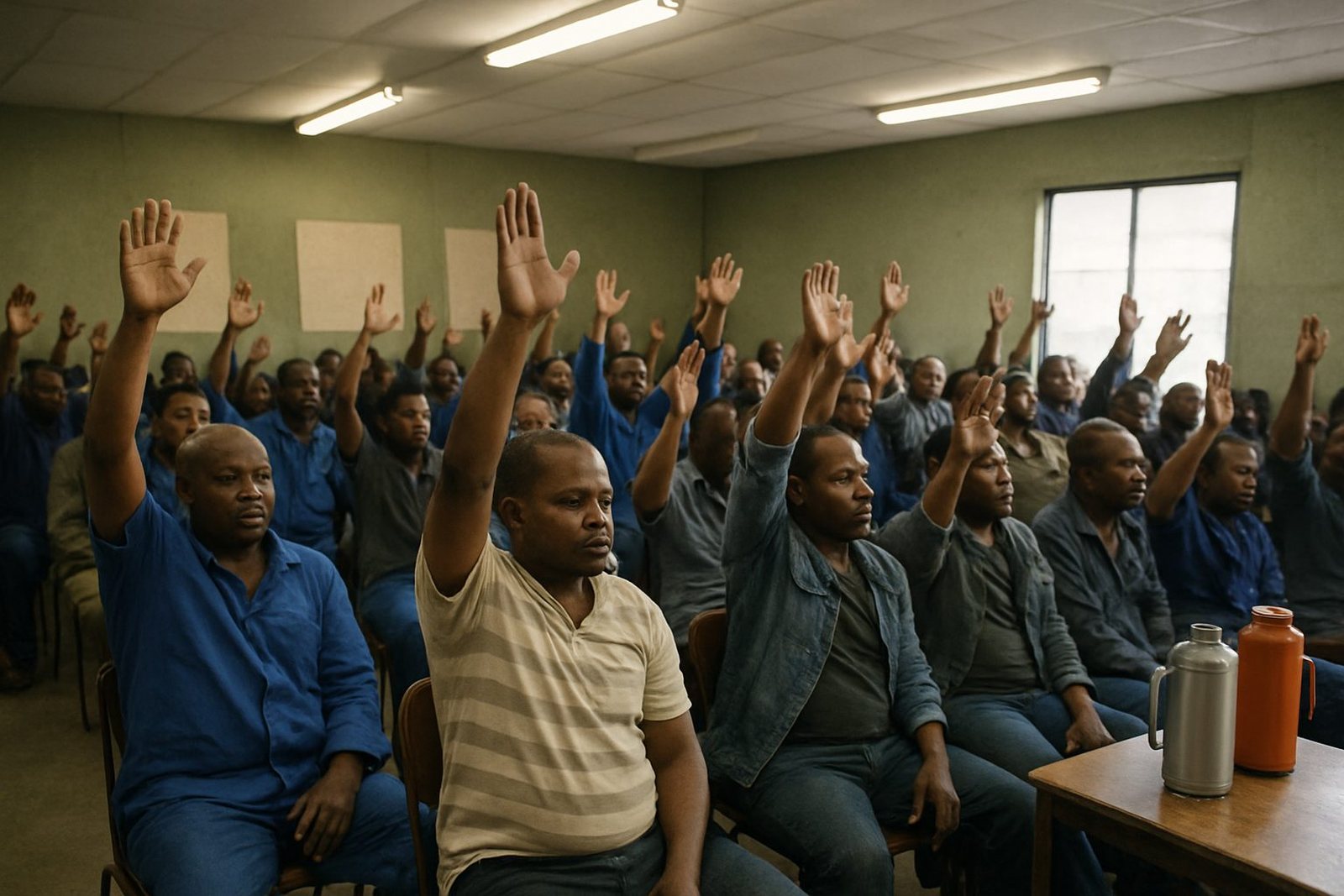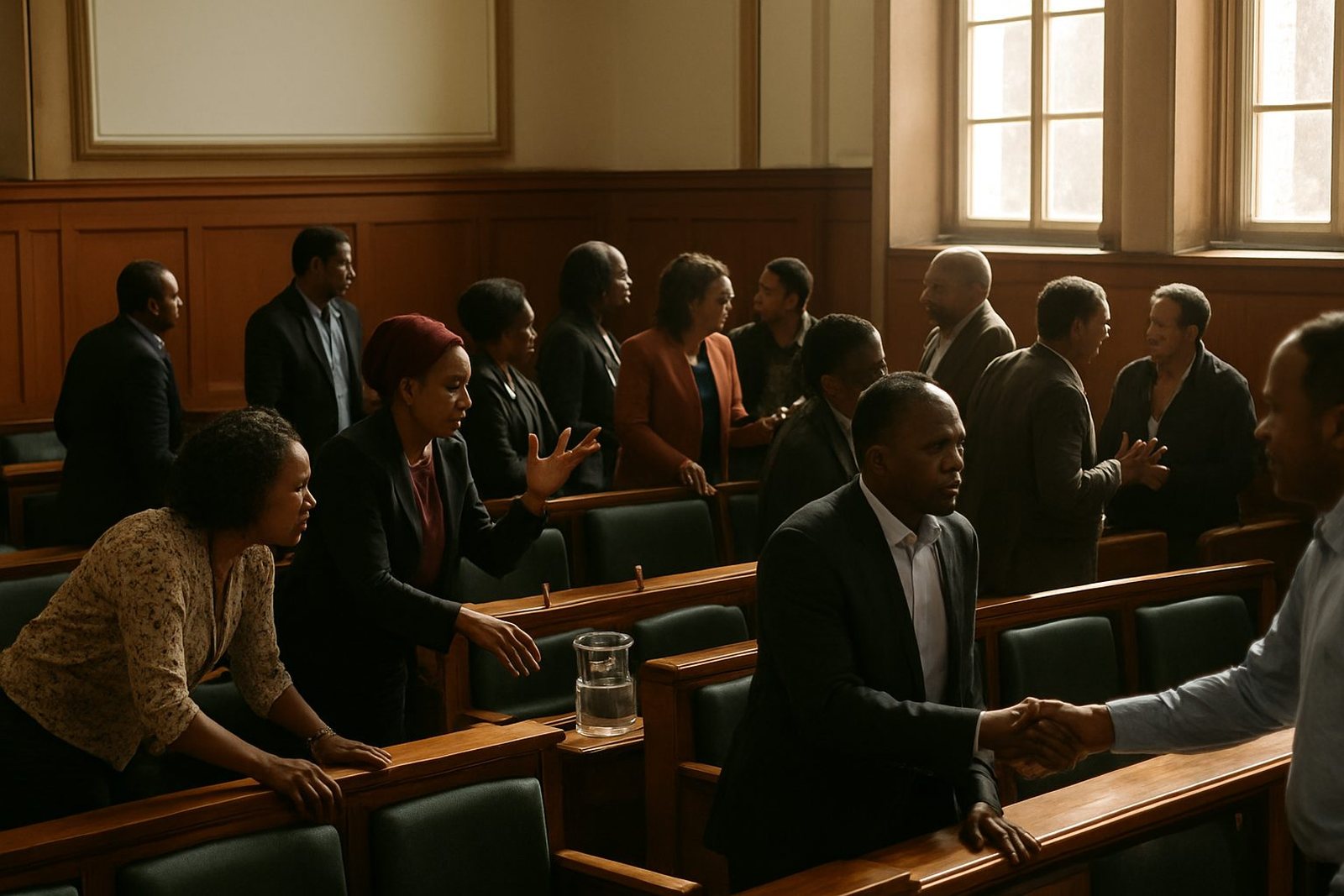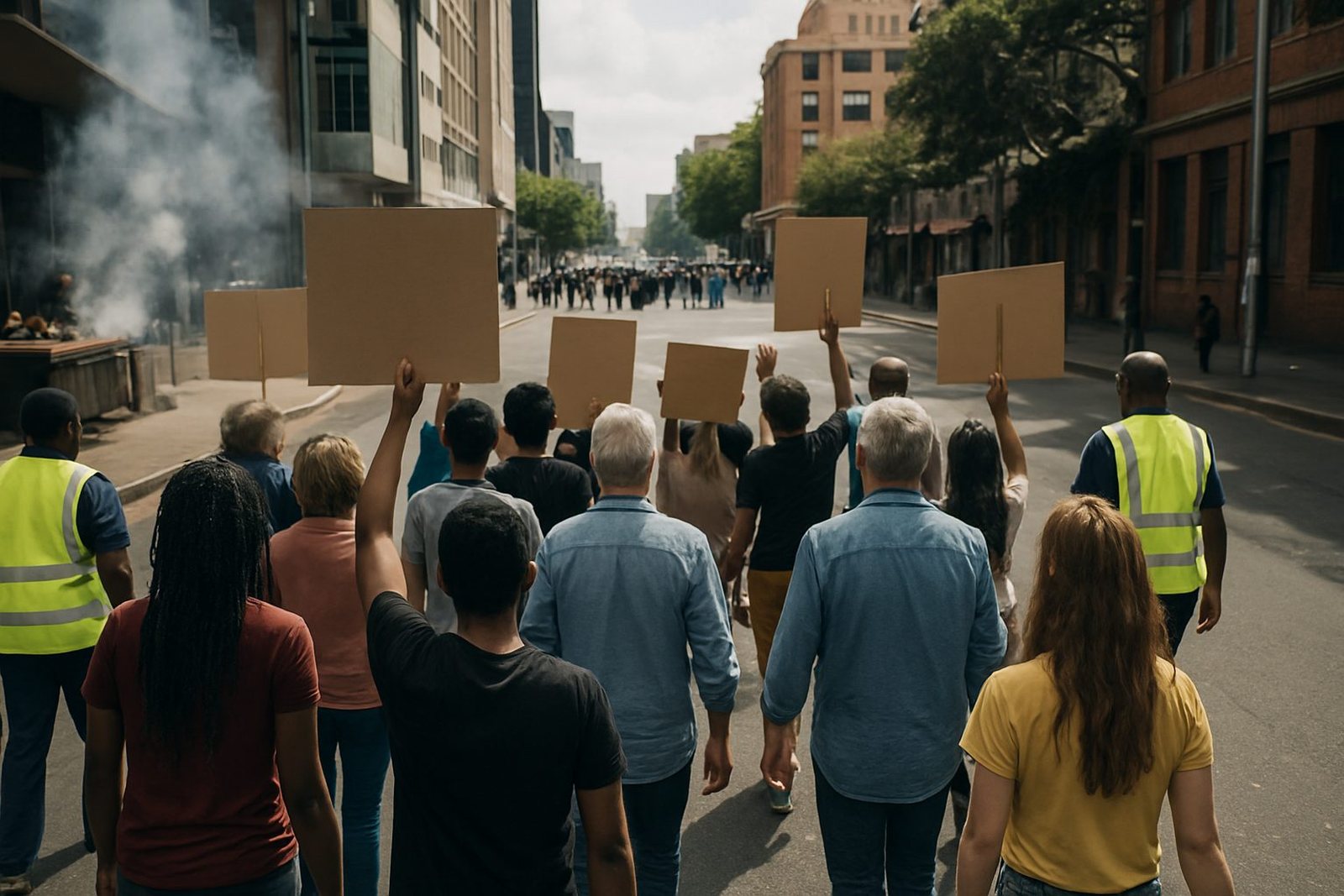
What Protest Politics Covers
Protest Politics is a focused episode built for listeners who want a clear, non-partisan explanation of protest as a form of political participation. It examines why people march, strike, boycott, petition, occupy public spaces or use other collective actions to signal grievance and demand response. The episode treats protest as part of political life, not as a slogan, and places it within the wider workings of state authority, civil society and public accountability.
It suits classrooms, civic education groups, policy teams and anyone trying to make sense of political events without the noise that usually surrounds them. The episode is written in plain language and keeps to general political knowledge, so it can be used on its own or alongside essays on elections, governance and public institutions.
Episode Sizes and Format Options
This product is available as a single episode or as part of a short themed series on protest, social movements and state response. A standard episode is typically 18 to 30 minutes, which works well for mobile listening in Johannesburg traffic, a lunch break in Pretoria, or a commute from Soweto to the city centre. For deeper coverage, a longer format can run 35 to 45 minutes and allow more space for historical context, legal principles and regional comparisons.
- Short cut: 12 to 18 minutes for quick briefing listening.
- Standard episode: 18 to 30 minutes for general audiences.
- Extended edition: 35 to 45 minutes for research, teaching or seminar use.
- Series option: 3 to 5 connected episodes covering protest, repression, mediation and public order.
The tone stays measured throughout, with no partisan framing and no claims about named living politicians or parties.
Where It Suits Best
Protest Politics works well for listeners across South Africa, Kenya, Nigeria, Ghana and Zambia, especially where public demonstrations, labour action or civic campaigns are part of current debate. It is useful for university reading lists, governance workshops, newsroom briefings and public policy groups that need an even-handed explanation of protest tactics and state responses. The episode also suits regional audiences in Gauteng, Nairobi, Lagos, Accra and Lusaka who want comparative context rather than country-specific commentary only.
Because the subject touches on public order, constitutional rights and civic responsibility, it is particularly helpful where people want to understand how protest fits into legal frameworks and political culture. In areas with older municipal systems, busy CBDs or campuses near public transport routes, the episode can be used as a discussion starter after meetings or seminars.
- Universities and colleges teaching politics or public administration
- Civic education programmes and reading circles
- Newsrooms and editorial teams needing context
- Policy groups, NGOs and community forums
Reading and listening
The episode itself needs no maintenance, but the way you use it can affect how useful it remains over time. For repeat teaching or internal briefing use, store the file in a named folder and keep a backup copy on a second device. If you are building a series, keep related episodes together with clear titles and dates so they are easy to find later. That matters in busy offices where materials can get mixed up quickly, especially if different teams are using the same archive.
Audio quality can also benefit from a quick check before each replay. If the sound seems low or distorted, confirm that the device output, speaker cable and playback settings are all correct. When using headphones in an office or at home, cleaning the headphone port and checking for dust can prevent crackle and dropouts.
- Keep a backup copy in a separate folder or drive
- Test playback before group use
- Label series episodes clearly by topic and date
- Check speaker leads, ports and battery charge regularly
What to Check Before Ordering
Before you request this episode, confirm the intended audience, preferred length and whether you need a standalone briefing or part of a wider series. It helps to know if the focus should lean more toward history, constitutional ideas, social movements or the practical politics of public pressure. If the episode is for a teaching pack or internal publication, confirm the format needed for your schedule and archive so the file can be used easily later.
Please also check the language level and any regional focus you want included. Some listeners want a general Africa-wide overview, while others need stronger emphasis on South Africa, Kenya, Nigeria, Ghana or Zambia. If you want the episode paired with essay editing, copy editing or show notes, mention that upfront so the final package fits the purpose without extra revisions. One small point that is often missed is whether the episode should be kept broad or narrowed to a single protest tradition, and that choice can shape the whole structure.
How We Structure the Topic
Our approach is practical and based on general political knowledge. The episode usually begins with a definition of protest, then moves into why people use it, how states respond, and how law, media and public opinion shape outcomes. From there, it can consider historical examples of protest politics in African cities and institutions, while keeping away from speculation or party commentary. The aim is to help listeners understand the mechanics of political pressure, not to tell them what to think.
For audiences in Johannesburg, Pretoria, Soweto and beyond, that structure makes the topic easier to follow and easier to discuss afterwards. It gives enough detail for informed listening without becoming overloaded, and it keeps the discussion steady even when the subject matter is heated.
Key facts
| Product type | Independent political commentary episode |
|---|---|
| Topic | Protest as political participation, pressure and public expression |
| Formats | Single episode, short cut, standard episode or series edition |
| Typical length | 12 to 45 minutes depending on option |
| Use case | Teaching, briefing, civic education, editorial context and public discussion |