What the Parliamentary Rules episode covers
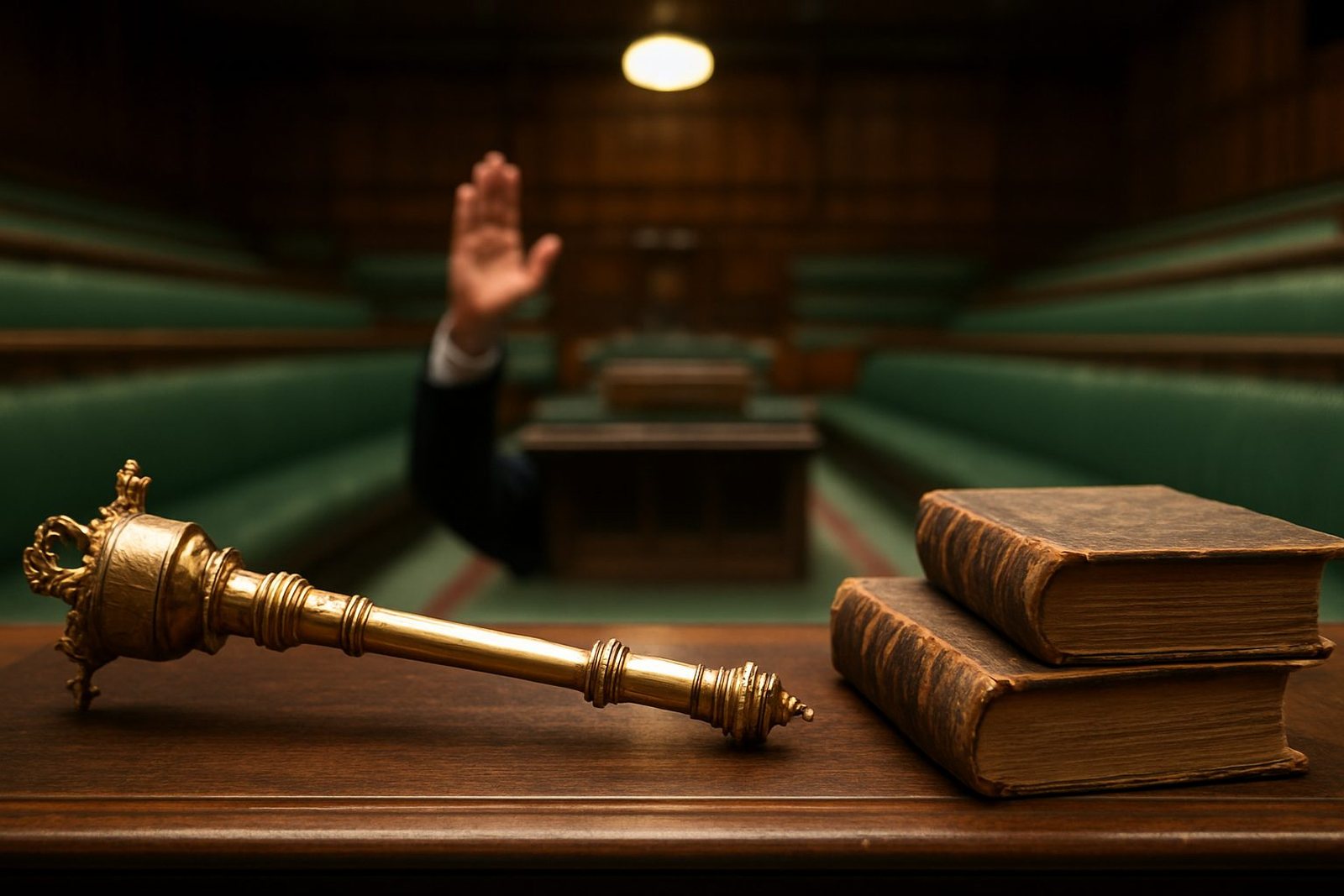
This episode explains the basic rules that guide debate in a legislature, including who may speak, how motions are handled, how questions are raised and where committee work fits into the law-making process. It is written for general understanding, so the listener can follow the sequence from introduction of a bill through committee review, debate, amendments and voting.
The tone is explanatory and non-partisan. Rather than naming parties or making claims about current office holders, the episode focuses on institutions, procedure and the purpose of rules. That makes it useful for audiences in Johannesburg, Pretoria, Soweto, Nairobi, Lagos, Accra and Lusaka who want a steady guide to how parliaments function in different systems.
Length options and episode formats
Parliamentary Rules can be produced as a short explainer, a standard feature episode or a longer classroom-style discussion. The most common options are 15 to 20 minutes for a quick overview, 30 to 40 minutes for a fuller explanation, or 45 to 60 minutes when the episode includes extra context on committee powers, legislative stages and public participation.
- Short audio brief: 15 to 20 minutes
- Standard episode: 30 to 40 minutes
- Extended episode: 45 to 60 minutes
- Audio only or audio plus written notes
- Single episode or part of a series on political institutions
For institutions, schools and civic programmes, a series format often works best because it lets each topic stand on its own. One episode can cover procedure, another can cover committee systems and a third can explain how a bill becomes law in different African legislatures.
Where the episode suits best
This product suits listeners who need a clear and calm introduction to parliamentary process. It works well for university orientation sessions, radio-style educational content, policy reading groups, newsroom training and public interest programming. It is also practical for organisations based in Rosebank or elsewhere in Gauteng that want content for civic education without jargon.
- Schools and tertiary institutions
- Civic education programmes
- Research and policy teams
- Media literacy and newsroom training
- Podcast channels covering African public affairs
Because the episode is built around general institutional knowledge, it can be used across South Africa, Kenya, Nigeria, Ghana and Zambia with only light local framing. That means the same core structure can work for audiences in a city boardroom, a campus hall or a community listening session.
Reading and listening
Once recorded, the episode should be checked for audio balance, unwanted noise and clear speech pacing. Editing is used to tighten pauses, remove distractions and keep the explanation easy to follow. After that, the file is mastered so it plays properly on phones, laptops and podcast apps without sudden volume changes.
Good archive management matters, especially for a topic like parliamentary procedure where listeners may return to the material later. Keep final audio, script notes, show notes and release dates in one organised system. If the episode is part of a series, it helps to store versions by topic and date so future updates or follow-up episodes are simple to manage.
What to confirm before commissioning
Before you request the episode, decide whether you want a general overview or a country-specific explanation. It also helps to confirm the target length, whether a written summary is required, and if the tone should be more educational, newsroom-style or classroom-style. If the content will be used in more than one country, ask for wording that stays broad enough to apply across different parliamentary systems.
- Target audience and level of detail
- Preferred episode length
- Single episode or multi-part series
- Need for show notes, transcript or essay companion
- Required turnaround time
- Any country focus or comparative angle
For clients in Johannesburg, Pretoria and the wider Gauteng area, it also helps to confirm how the final files will be approved and scheduled. That avoids delays and keeps the publishing plan simple, especially when the episode has to sit alongside other current affairs content.
Key facts
| Episode type | Independent political commentary podcast episode |
|---|---|
| Core topics | Debate procedure, committee work, law-making stages |
| Standard lengths | 15 to 20 min, 30 to 40 min, 45 to 60 min |
| Format options | Audio only or audio with show notes and summary |
| Best suited for | Civic education, students, researchers, media teams |