What the episode covers
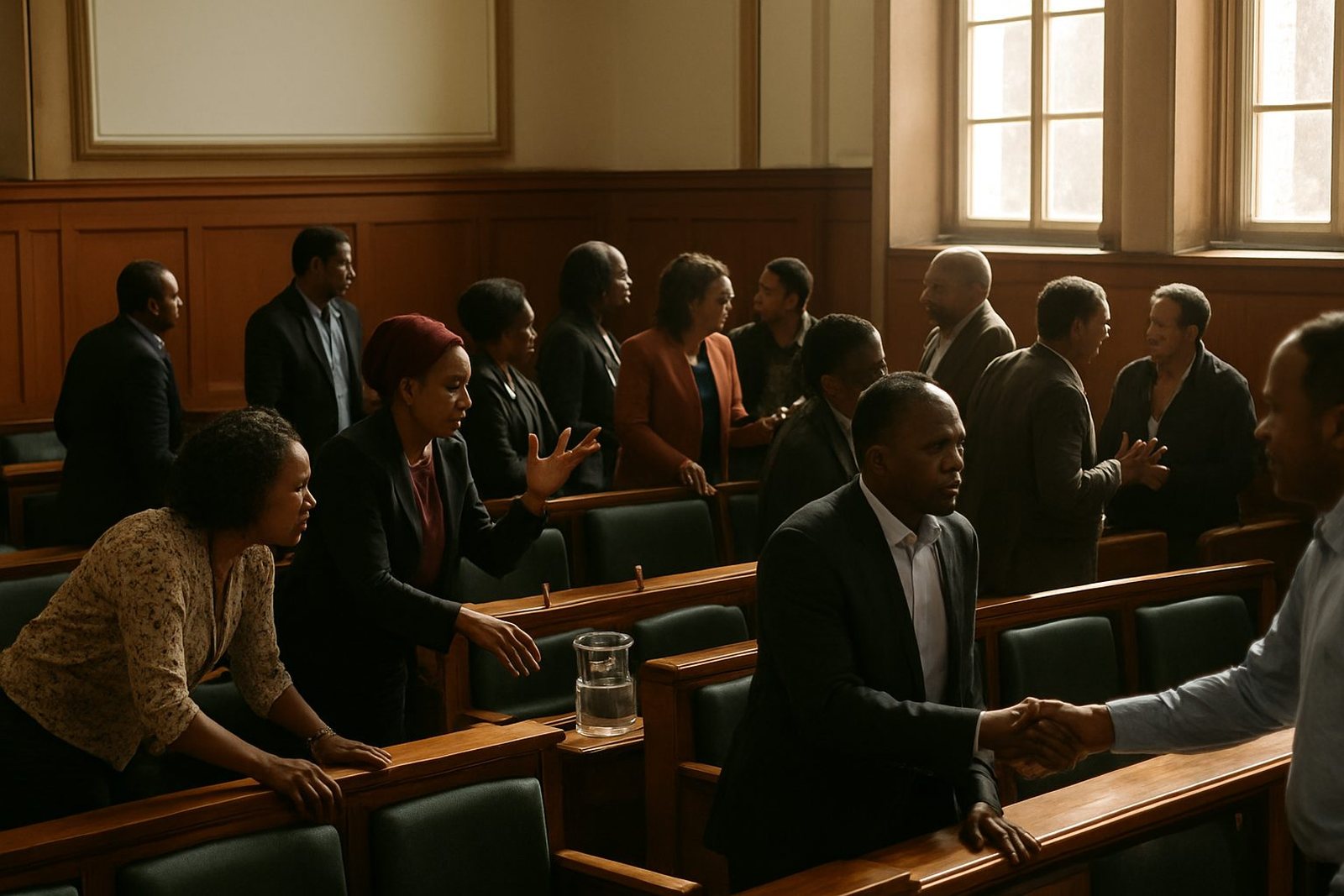
Youth and Voting is an editorially prepared episode that looks at why young people participate in politics, why some stay away and how trust in institutions shapes the choice to vote or not vote. It uses plain language to explain civic education, voter registration, party competition, protest politics and the role of community networks in South Africa and across Africa.
The episode is suited to listeners who want a clear, non-partisan discussion that connects history, institutions and day to day political reality. It works well for students, civic groups, newsroom audiences and anyone trying to make sense of why generational attitudes to elections can differ so sharply.
- Format: podcast episode with supporting notes
- Topic focus: youth participation, voting behaviour and political trust
- Geographic lens: South Africa, Kenya, Nigeria, Ghana and Zambia
Episode sizes and publishing options
The episode can be produced as a standard single release or as part of a short themed series. A compact version is useful when the audience needs a quick briefing, while a longer version gives space for history, institutional context and practical voting questions. Some clients prefer one main episode with a companion essay, while others choose a three part run with each part covering a separate angle.
Options are arranged around length, editing depth and publication support. If the subject needs extra explanation, we can include a stronger research layer, tighter scripting and more detailed show notes. If the audience is already familiar with the basics, the episode can stay shorter and more direct.
- Short episode: 15 to 20 minutes for a focused overview
- Standard episode: 25 to 35 minutes for balanced discussion
- Extended episode: 40 to 55 minutes for deeper context and analysis
Where this topic suits best
This topic suits campuses, policy discussions, civic education programmes, newsroom feeds and public conversation platforms that want to explain politics without party language. It is also useful for audiences in Johannesburg, Pretoria, Soweto and across Gauteng where youth politics often intersects with jobs, transport, housing and municipal services. In Nairobi, Lagos, Accra and Lusaka the same episode can be positioned to reflect how young citizens respond to state institutions, local elections and public accountability.
Because the discussion is grounded in general political knowledge, it can travel well across different countries without losing clarity. The episode can sit alongside essays, newsletter extracts or archived series material for listeners who prefer to read after they listen.
- Best suited to educational audiences and public affairs listeners
- Useful for town halls, radio-style distribution and digital publishing
- Works well where political trust and youth turnout are active public questions
Formats and access
Once produced, the episode should be stored with clear file names, dated folders and version control for scripts and audio masters. That makes it easier to reuse the material later, whether for a replay, an edited extract or a new series on civic participation. Archive care matters because political topics age quickly and good records help keep context intact.
Regular servicing is mostly about checking files, updating notes and making sure the final audio remains easy to retrieve. If the episode forms part of a longer series, the show notes and supporting copy should be reviewed before republication so that references still make sense. Minor edits are normal, but the factual basis should stay consistent across all versions.
- Keep master audio and final exports in separate folders
- Store scripts, notes and publishing copy together
- Review archives before reuse to avoid outdated references
Before you commission a briefing
Before ordering Youth and Voting, confirm the audience, the intended length and the country or countries that should be referenced. It also helps to decide whether the episode should lean more toward civic education, historical context or a practical explanation of why young voters engage differently at different moments. If the tone is for students, journalists or public policy audiences, say so early so the structure can match the audience.
You should also check whether the episode needs only audio or whether it should include edited show notes and publication support. If it is part of a larger series, confirm where it sits in the sequence and whether related essays need to be published alongside it. A clear brief at the start saves time later, especially when multiple regions and institutions are being discussed.
- Audience type and preferred tone
- Target countries and any institutions to reference
- Episode length, notes and publishing requirements
Key facts
| Episode topic | Youth participation, voting and political trust |
|---|---|
| Format | Podcast episode with optional show notes and essay support |
| Length options | 15 to 20 min, 25 to 35 min, or 40 to 55 min |
| Primary regions | South Africa, Kenya, Nigeria, Ghana, Zambia |
| Publishing support | Script development, editing, show notes and scheduling |
| Base | Rosebank, Johannesburg, Gauteng |