What this episode covers
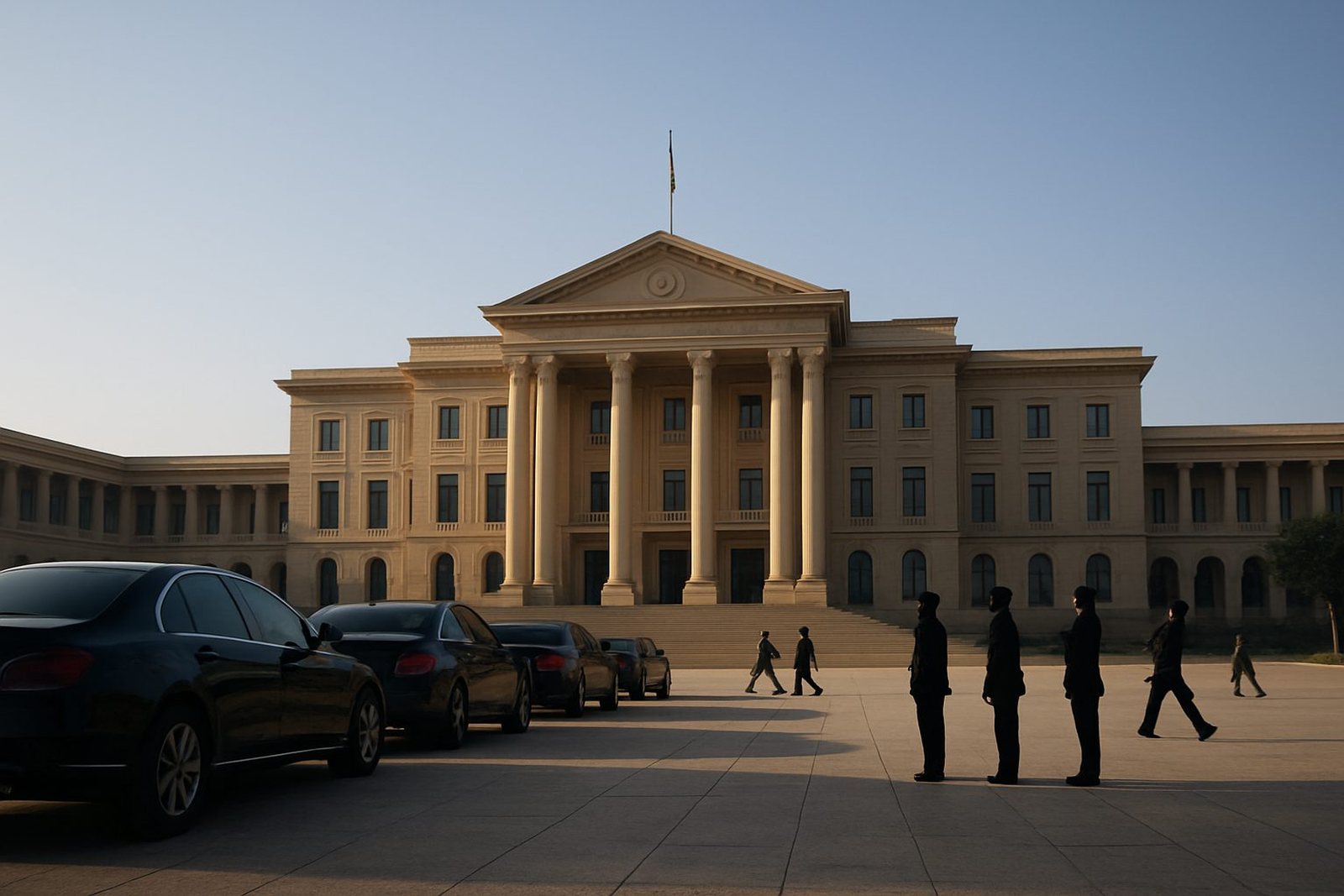
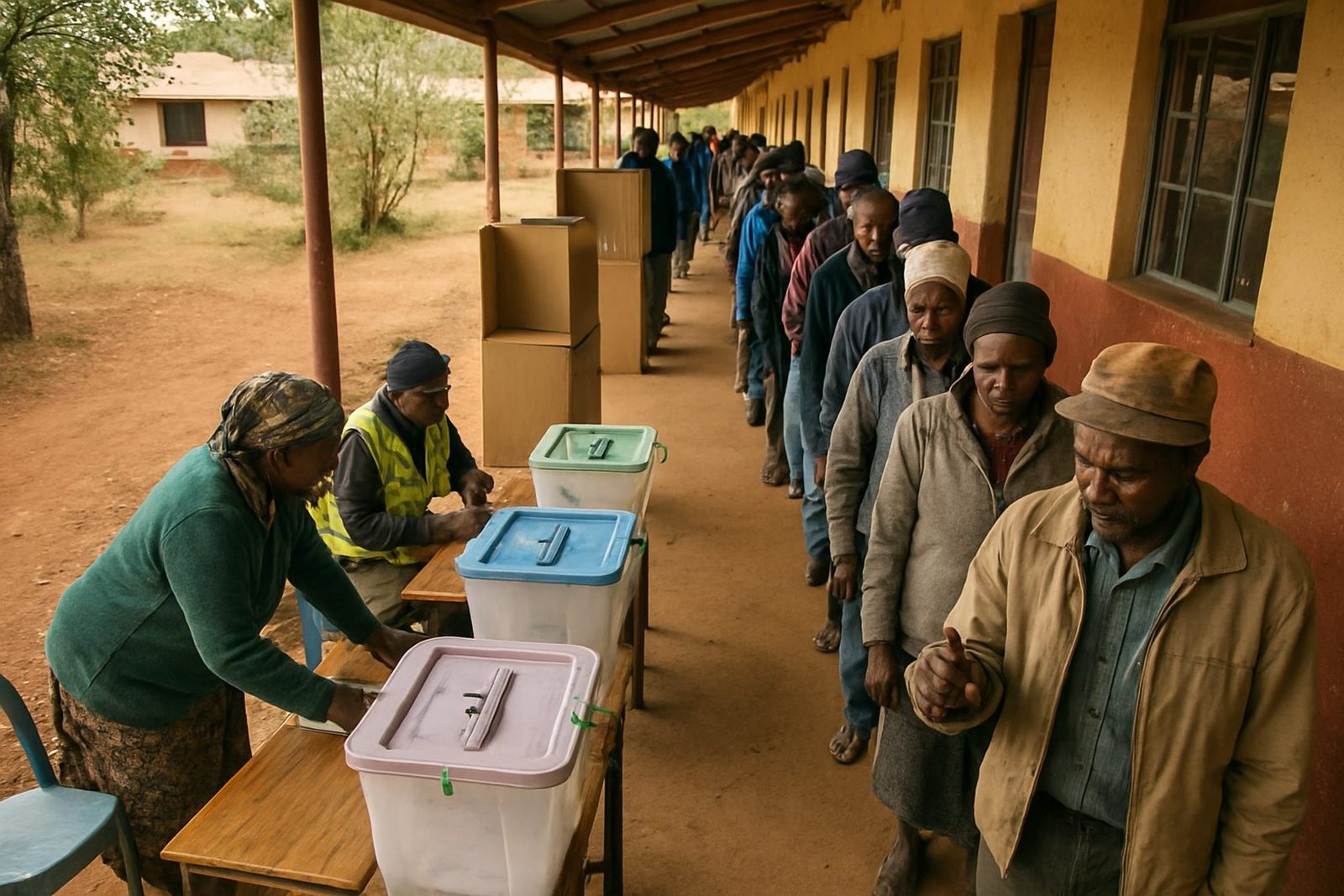
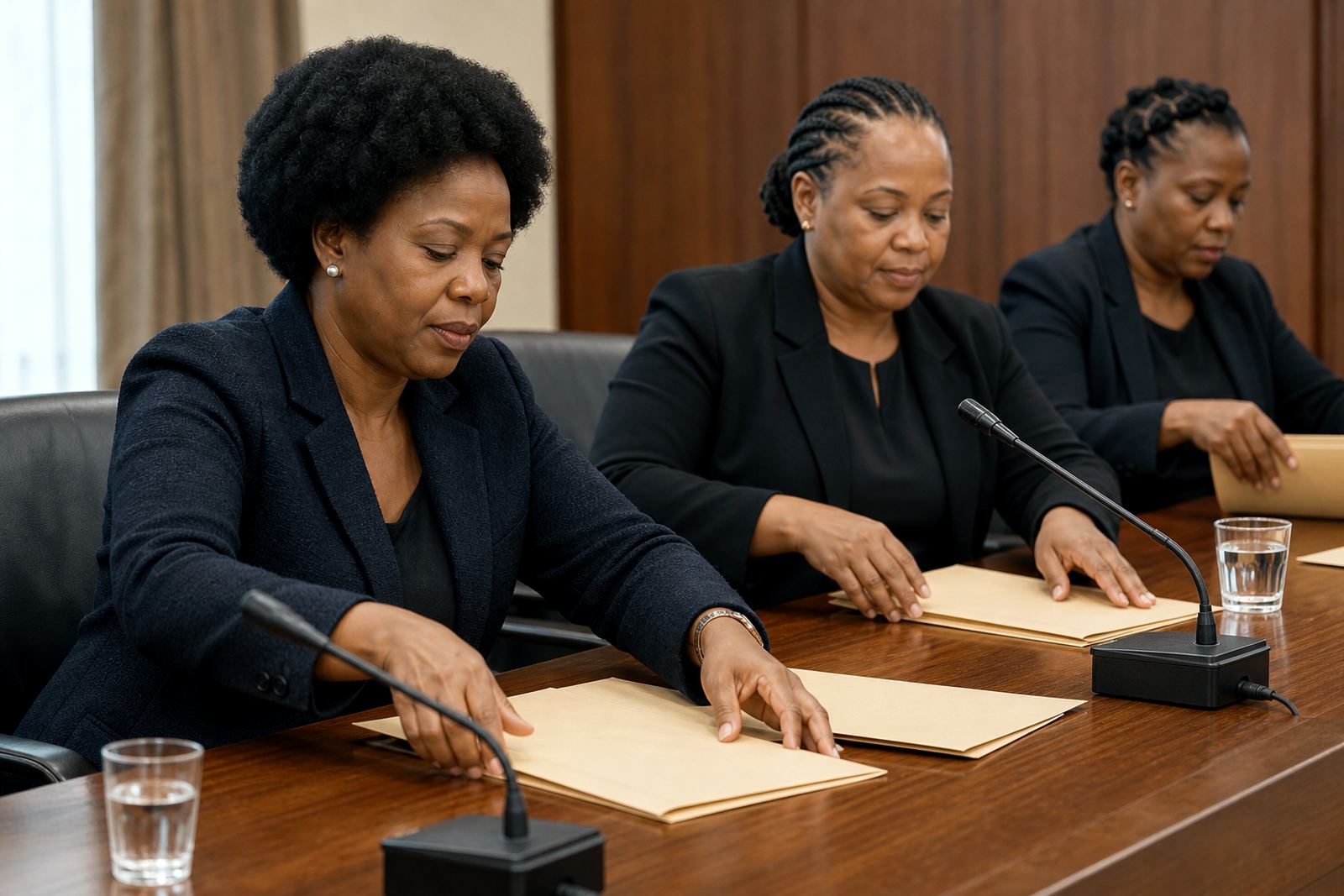
Women in Politics examines how women enter public life, where they are blocked, and which reforms can widen participation in elected office, parties and civic institutions. The episode is framed for listeners who want clear explanation rather than slogans, with attention to history, constitutions, electoral rules, internal party selection and the everyday realities of campaigning and governance.
The tone is non-partisan and educational. It explains the ideas behind quotas, proportional representation, first-past-the-post systems, leadership pipelines and gendered barriers such as funding, safety, media access and care responsibilities. Where useful, it also draws on examples from South African political life and compares how institutions work in Nairobi, Lagos, Accra and Lusaka.
Episode options and publishing sizes
This feature is available in a few practical formats, depending on how much detail you want for your audience.
- Standard episode: 25 to 35 minutes, suited to a general audience and weekly publishing slots.
- Extended episode: 45 to 60 minutes, suited to a more detailed institutional discussion and companion reading.
- Essay companion: 900 to 1 500 words for listeners who want a written version for reference or study.
- Series option: one main episode with shorter follow-up notes on representation, party lists and parliamentary reform.
The episode can stand alone or form part of a broader series on democracy, citizenship and public institutions. If you are building a schedule across several months, it also works well as a mid-season feature between lighter discussion pieces and deeper policy episodes.
Where it suits and who it is for
Universities, civic education programmes, research audiences, policy audiences and anyone following African public affairs with care will find the subject useful. It also speaks to people looking for local political context in Johannesburg, Pretoria and Soweto, as well as audiences in Nairobi, Lagos, Accra and Lusaka comparing how participation works across different systems.
It works well where the brief is to inform, not campaign. Organisations using it for learning sessions, discussion groups or editorial programming often choose it because the material is practical and grounded. There is enough theory to be useful, but it stays close to how institutions operate in real life, including party nomination processes, parliamentary committees and the limits placed on access to office.
- Good for civic education and public interest programming
- Suitable for policy briefings and reading groups
- Useful for academic support material and public discussion
How we publish
Delivery is handled through standard digital publishing formats, with the final episode and written copy prepared for online release and archiving.
For internal production, the process is straightforward. Research support, script development, editing and publishing are managed in-house, with audio mastered for clear playback on phones, laptops and low-bandwidth connections.
- Audio delivered in standard podcast file format
- Written copy supplied for web publishing or newsletter use
- Can be scheduled for release at a fixed date and time
Reading and listening
Good public-interest content needs careful handling after release. That means clean file naming, accurate show notes, version control and a dependable archive so listeners can find older episodes when they need them. For a topic like women in politics, that matters because debates on representation and reform often return in different forms over time.
Ongoing servicing can include factual review, copy editing, episode metadata updates and archive management. This keeps the material usable for schools, researchers and regular listeners. It also helps if you want a repeatable series structure, because related episodes can be grouped by theme without confusion. A tidy archive is especially useful when the subject has a long memory and the public wants to revisit earlier discussions.
What to check before you commission
Before confirming Women in Politics, check the angle, length and intended audience. If you need a broad overview, a single episode may be enough. If you want deeper treatment, ask for a longer cut or a companion essay. It also helps to confirm whether the focus should lean more toward representation, electoral systems, party selection, parliamentary participation or institutional reform.
Please also confirm your preferred publishing schedule, the level of detail needed in the notes and whether you want archive-ready copy for future use. If the episode is for a learning programme or public discussion, make sure the language is suitable for that setting and the examples stay general where needed. The best result usually comes from a brief that is clear from the start, then the rest follows steadily.
- Confirm episode length and format
- Choose whether you need an essay companion
- Specify your audience and publishing date
- Decide how much archival support you need
Key facts
| Product type | Independent political commentary podcast episode with essay option |
|---|---|
| Topic focus | Representation, barriers and institutional reform in women’s political participation |
| Standard length | 25 to 35 minutes |
| Extended length | 45 to 60 minutes |
| Written companion | 900 to 1 500 words |
| Delivery format | Podcast audio, show notes and publish-ready copy |