What the Media and Politics episode covers
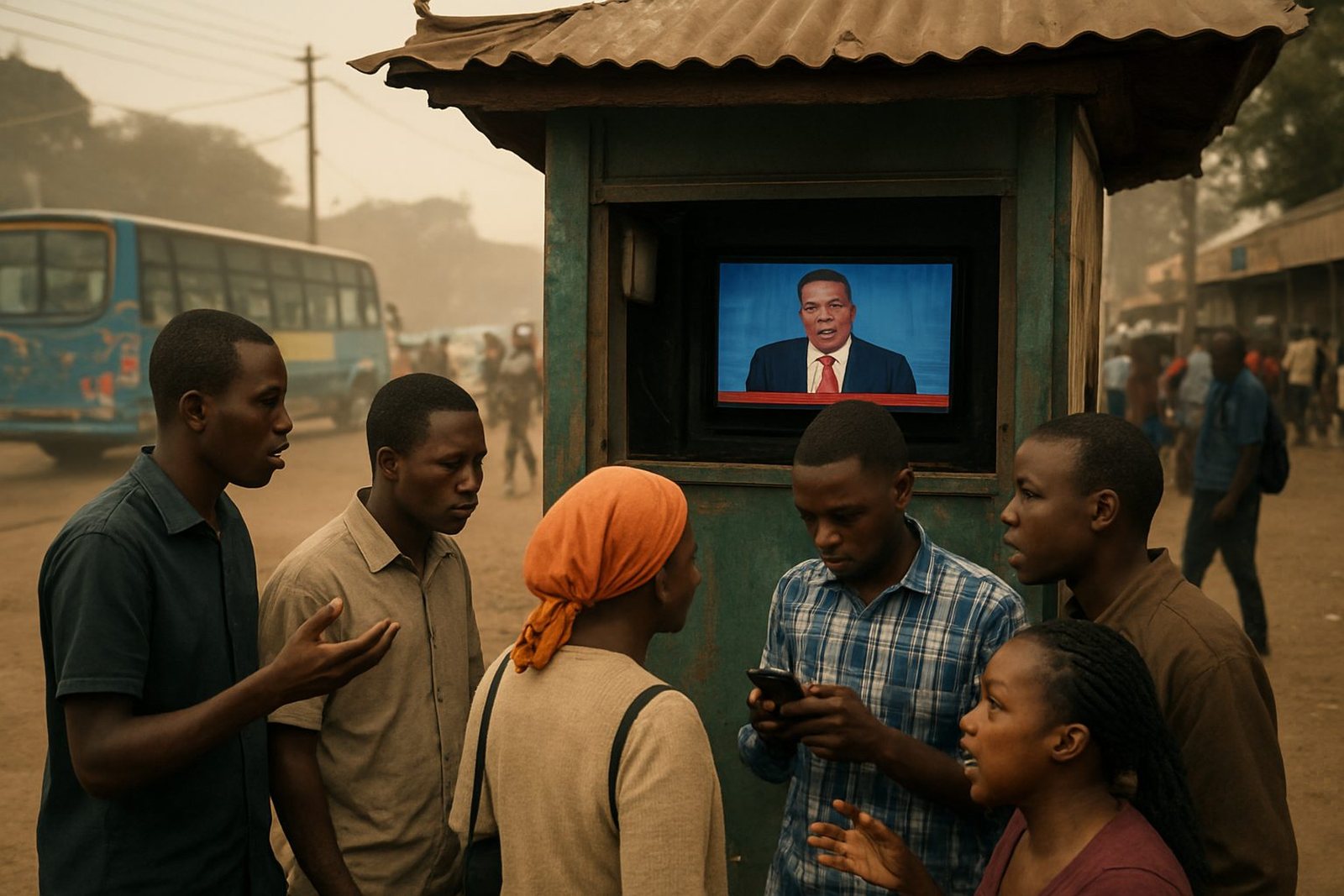
This episode examines how media institutions influence what people notice, trust and discuss in politics. It can cover public broadcasters, private outlets, community radio, newspapers, digital newsrooms and the role of social media in cities like Johannesburg, Nairobi, Lagos, Accra and Lusaka. The aim is not to push a side, but to explain how information moves through society and how that affects public life.
Typical themes include agenda setting, editorial independence, political advertising, access to information, media ownership and the tension between speed and accuracy. The episode can also explain how constitutions, press councils and broadcasting rules shape what media houses are allowed to do, and what citizens can reasonably expect from them.
Format options and episode sizes
Populism Africa Review offers the Media and Politics episode in several practical formats so it can suit a short current affairs slot or a longer discussion piece. The standard option is a single episode of 20 to 35 minutes, while deeper editions can run 45 to 60 minutes for more detailed context. Shorter cutdowns can also be prepared for social clips or newsletter embedding.
- Short edition: 12 to 18 minutes for a quick topical explainer
- Standard edition: 20 to 35 minutes for a clear, balanced overview
- Extended edition: 45 to 60 minutes for institutional and historical context
- Series option: 3 to 6 episodes on media, elections, regulation and public debate
Each option can be built as a standalone episode or as part of a wider publishing series. That makes it suitable for listeners who want a one-off explainer as well as audiences following politics week by week.
Where this episode suits best
Media and Politics suits policy teams, students, civil society teams, newsroom staff, research groups and anyone trying to make sense of political communication in Africa. It works well for audiences in Gauteng and beyond, including Johannesburg, Pretoria and Soweto, as well as regional listeners in Nairobi, Lagos, Accra and Lusaka. It is also a useful fit for organisations that need a clear internal resource on media literacy and public debate.
- University seminars and reading groups
- NGO learning sessions and public education events
- Editorial briefings and newsroom training
- Podcast feeds that want politics explained without noise
For listeners based in offices, commutes or mobile-first settings, the episode is easy to follow on a phone or laptop.
Research, editing and publication support
Because the topic touches on institutions and public trust, the episode benefits from careful research and fact checking. Populism Africa Review can support script development, research notes, editing, audio mastering, show notes and publication scheduling. The process is designed to keep the argument clear without overcomplicating it, and to make sure sources and definitions are handled properly.
For a topic like this, the best episodes are usually those that keep the structure tight. That means a plain introduction, a few core ideas, a grounded comparison across countries and a concise close. If the episode is part of a series, archive management can help keep earlier material organised so references are easy to track later on.
- Script Development for structure and timing
- Research Support for institutions, law and media history
- Fact Checking for names, dates and definitions
- Audio Mastering for clean final output
- Archive Management for episode files and notes
Editorial process
The episode itself does not need complex servicing, but the production process does need regular care. Microphones should be kept clean, cables checked for wear and files backed up in more than one place. If the series is produced often, it helps to review audio levels, naming conventions and publication dates so nothing gets lost.
When ordering, check the intended length, preferred tone, turnaround time and whether you need a single episode or a series. Also confirm if the final deliverables should include a transcript, show notes, cutdowns or archive-ready folders. That keeps the handover clear and avoids delays when the episode is due for publishing.
- Confirm target length and format before production starts
- Provide any specific country focus or comparison list
- Agree on delivery dates for draft and final versions
- Decide whether you need notes, transcript and publishing support
A practical fit for political learning
Media and Politics is a strong choice when you want an episode that explains how public debate is shaped, without turning the subject into a slogan or a rant. It gives listeners a way to think about political language, news judgement and institutional power in a calm, structured format. For audiences across Africa, that kind of clarity is often more useful than noise.
Based in Rosebank, Johannesburg, Populism Africa Review produces independent political commentary for audiences who want careful explanation and proper context. If your use case is a discussion series, a learning resource or a published commentary episode, this format gives you a clean starting point with room to go deeper where needed.
Key facts
| Product name | Media and Politics |
|---|---|
| Format | Independent political commentary podcast episode |
| Typical length | 12 to 60 minutes depending on option |
| Core focus | Media institutions, public debate and political understanding |
| Production support | Research, scripting, editing, mastering and publication |
| Base location | Rosebank, Johannesburg, Gauteng |